Operation Toofan goes regional: Southern states join Kerala's anti-drug drive
Synopsis
Kerala's Operation Toofan is no longer a state-level campaign — it is going regional. With southern DGPs agreeing to appoint SP-rank nodal officers and loop in Central agencies, the anti-drug drive is scaling up precisely because traffickers already have: shifting from buses and trains to courier networks and online platforms to stay ahead of enforcement.
Key Takeaways
Operation Toofan will expand into a coordinated southern states anti-drug initiative, decided at a DGP meeting in Thiruvananthapuram on 10 July .
Each southern state will appoint a nodal officer of SP rank to enable intelligence sharing and joint enforcement.
Kerala Home Minister Ramesh Chennithala announced the next phase will involve Central enforcement agencies alongside state police forces.
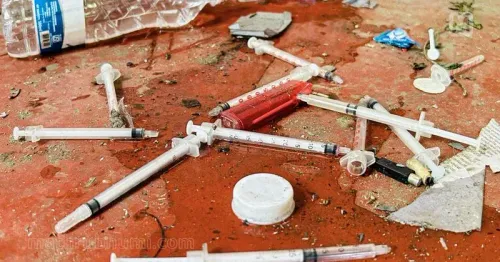
Drug traffickers have reportedly shifted to courier services and online platforms following intensified ground-level enforcement.
Chennithala flagged the illegal diversion of prescription medicines — including cancer drugs — for substance abuse, calling for strict pharmacy compliance.
The Home and Health Departments may jointly launch enforcement drives targeting illegal prescription drug sales.
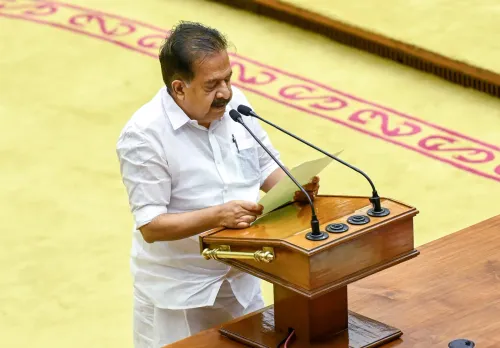
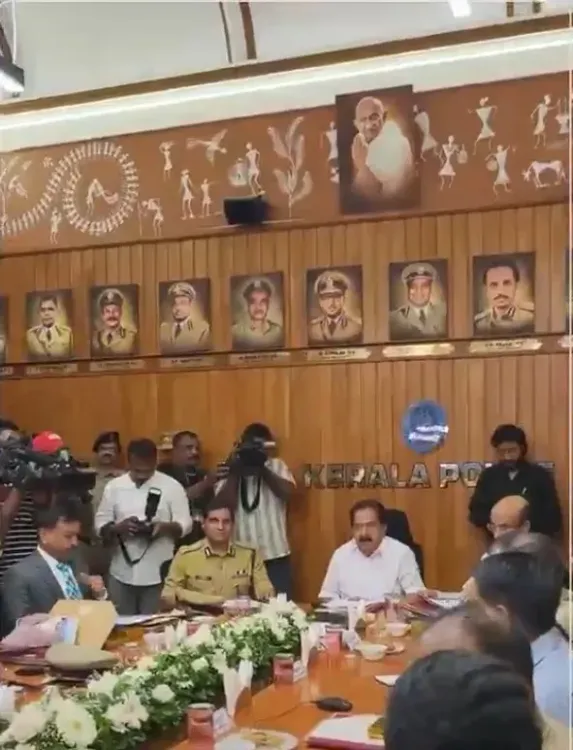
Kerala's landmark anti-narcotics campaign, Operation Toofan, is set to evolve into a multi-state enforcement initiative, with police chiefs from across southern India agreeing on Friday, 10 July to launch a coordinated crackdown on drug trafficking in partnership with Central agencies. The decision was announced by Kerala Home Minister Ramesh Chennithala following a meeting of Directors General of Police (DGPs) of the southern states at the Police Headquarters in Thiruvananthapuram.
What Was Decided at the DGP Meeting
According to Chennithala, Kerala's sustained offensive against the drug mafia had drawn significant interest from neighbouring states, with several police chiefs expressing willingness to adopt a similar coordinated strategy. As a key structural step, each participating southern state will designate a nodal officer of the rank of Superintendent of Police (SP) to facilitate intelligence sharing, monitor inter-state drug movements, and coordinate joint enforcement operations.
'The fight against narcotics cannot be confined within state borders. A coordinated regional response is essential to dismantle the networks supplying drugs to Kerala,' Chennithala said.
Next Phase of Operation Toofan
The next phase of the campaign is expected to involve a major joint operation bringing together Central enforcement agencies and police forces from across southern India, with the stated objective of choking every possible supply route for narcotic substances entering Kerala. The minister noted that traffickers have increasingly shifted tactics following the intensified enforcement under Operation Toofan, moving away from conventional transport networks such as buses, trains, flights, and boats toward courier services and online platforms to move drugs.
This is a notable escalation pattern — as ground-level enforcement tightens, syndicates adapt, underscoring why a border-blind, digitally-aware strategy is now considered essential. The government has stated its intent to plug every such route as part of its broader goal of making Kerala a drug-free state.
Prescription Drug Misuse in Focus
Chennithala also raised concern over the growing misuse of prescription medicines, noting that certain drugs — including expensive medications prescribed for cancer patients — were being illegally procured from medical stores and diverted for substance abuse. 'No medicine should be sold without a valid doctor's prescription,' he said, urging pharmacy owners to strictly comply with legal requirements and exercise greater vigilance in dispensing scheduled medicines.
The Home Minister indicated that the Home and Health Departments could jointly launch special enforcement drives to address the illegal sale and misuse of prescription drugs, adding that he had already discussed the matter with the Health Minister.
Significance and What Comes Next
The decisions taken at Friday's meeting are expected to strengthen inter-state intelligence sharing and coordinated enforcement considerably. This comes amid growing recognition that narcotics networks operate across jurisdictional lines, making state-level responses inherently limited. The appointment of SP-rank nodal officers in each state marks a concrete institutional step rather than a mere policy declaration.
With Central agencies now formally in the loop, the expanded Operation Toofan framework could set a precedent for how Indian states collaborate on organised crime — a model that other regions may be watching closely.
Point of View
And it will not be reversed by nodal officers alone. The prescription drug angle is the more underreported crisis here: diversion of cancer medications for abuse points to a supply-chain failure inside licensed pharmacies, not just on street corners. Whether the Home-Health joint drive materialises — or remains a press conference commitment — will be the real test of this expanded framework.
NationPress
10 Jul 2026
Frequently Asked Questions
What is Operation Toofan?
Operation Toofan is Kerala's anti-narcotics enforcement campaign aimed at dismantling drug trafficking networks operating in and through the state. It has now been expanded into a regional initiative involving southern states and Central agencies.
Which states are joining the expanded Operation Toofan?
The expansion involves southern Indian states whose police chiefs attended the DGP meeting in Thiruvananthapuram on 10 July. The source does not name each state individually, but all participating states are to appoint SP-rank nodal officers for coordination.
What role will nodal officers play in the joint crackdown?
Each southern state will designate a Superintendent of Police (SP) as a nodal officer responsible for facilitating inter-state intelligence sharing, monitoring cross-border drug movements, and coordinating joint enforcement operations with Central agencies.
Why are drug traffickers switching to courier services and online platforms?
According to Home Minister Ramesh Chennithala, intensified enforcement under Operation Toofan has pushed traffickers away from conventional transport — buses, trains, flights, and boats — toward courier services and online platforms as alternative smuggling routes.
What is being done about prescription drug misuse in Kerala?
Chennithala has flagged the illegal diversion of prescription medicines, including cancer drugs, for substance abuse. He called on pharmacy owners to enforce prescription requirements strictly, and indicated that the Home and Health Departments may jointly launch special enforcement drives to address the issue.