CM Pema Khandu sends Arunachal students on Somnath Swabhiman Yatra
Synopsis
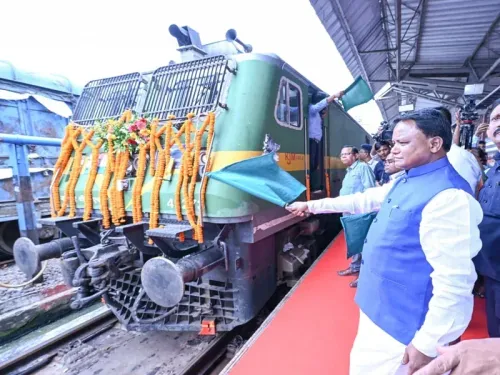
Arunachal Pradesh CM Pema Khandu on 25 September 2026 cheered students from his state embarking on the Somnath Swabhiman Yatra, urging them to draw lessons of resilience and courage from the temple's storied history of destruction and reconstruction.
Key Takeaways
Arunachal Pradesh Chief Minister Pema Khandu publicly welcomed the departure of state students on the Somnath Swabhiman Yatra on 25 September 2026 .
The Somnath Temple in Gujarat has been destroyed and rebuilt multiple times over centuries; its modern reconstruction was completed in 1951 .
Khandu invoked the temple's history as a lesson in 'resilience, courage and the will to rise again' for young minds.
The initiative aligns with a pattern of BJP-led state governments organising heritage exposure tours for students from the Northeast .
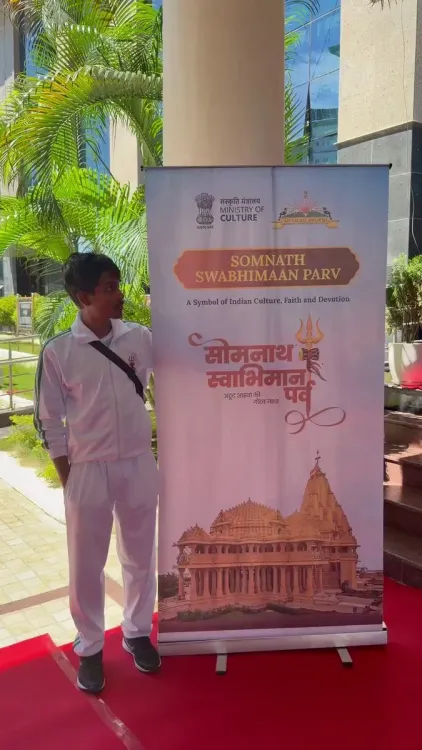
The formal hashtags #SomnathSwabhimanYatra and #SomnathSwabhimanParv indicate an organised, named programme rather than a one-off school trip.
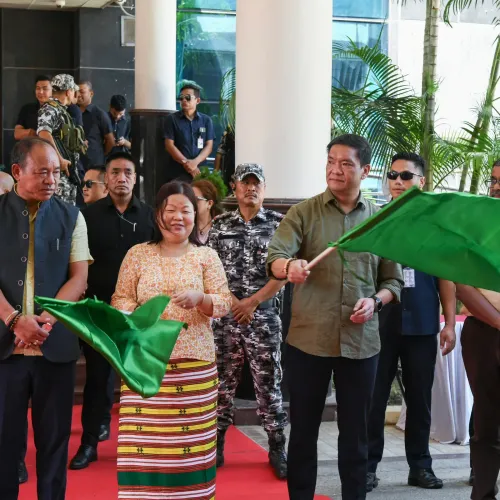
A temple that has been razed and rebuilt over a dozen times across recorded history is now a classroom — and Arunachal Pradesh Chief Minister Pema Khandu wants his state's students in it. On Friday, 25 September 2026, Khandu shared his delight as a group of young students from Arunachal Pradesh departed on the Somnath Swabhiman Yatra, a heritage pilgrimage to one of India's most enduring cultural landmarks in Gujarat.
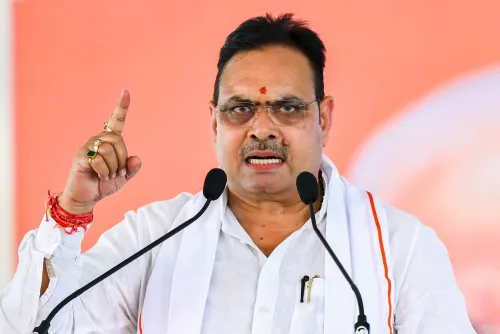
Khandu expressed hope that standing before the ancient structure would leave a lasting mark on the students: 'I hope witnessing Somnath, rebuilt time and again, yet standing strong today, inspires our young minds with the enduring lesson of resilience, courage and the will to rise again.'What Somnath's stones teach
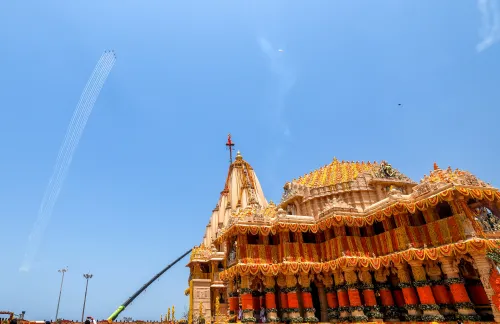
The Somnath Temple — a sacred jyotirlinga (one of twelve revered abodes of Shiva) perched on the western coast of Gujarat at Prabhas Patan — has been destroyed by invaders multiple times across centuries and reconstructed each time. The most recent and definitive restoration was completed in 1951, driven by India's first Home Minister Sardar Vallabhbhai Patel, and is widely cited as a symbol of civilisational continuity and national will. For a generation of students born decades after that reconstruction, a physical visit carries a weight that no textbook page can replicate.Northeast youth, pan-Indian heritage
The yatra fits a recognisable pattern of state-level programmes that bring students from Arunachal Pradesh — a remote northeastern frontier state that shares international borders with China, Bhutan and Myanmar — into direct contact with major heritage sites across the Indian subcontinent. For states geographically distant from the cultural heartlands of western and northern India, such exposure tours serve both an educational and an integrative purpose: they let young minds connect personally with chapters of Indian history they have only read about. BJP-led state governments have increasingly woven cultural-heritage visits into student welfare and education frameworks, framing them as exercises in identity and national pride rather than mere tourism.Resilience as a lesson for the frontier
Khandu's choice of framing — resilience, courage, the will to rise again — is pointed. Arunachal Pradesh is itself a state that has navigated difficult terrain, both literal and geopolitical, for decades. The parallel between a temple repeatedly battered but never permanently subdued and a state that has repeatedly asserted its identity carries its own quiet eloquence. Whether the students return with a deeper sense of history or simply a vivid memory of the Arabian Sea at sunset, the Chief Minister is betting that Somnath can do what a classroom rarely does: make the past feel urgent. The hashtags #SomnathSwabhimanYatra and #SomnathSwabhimanParv suggest the trip is part of a formally named programme, signalling coordination beyond a single school's initiative — though specific participant numbers and itinerary details are yet to be officially disclosed.Point of View
A state whose very sovereignty is contested by China, the framing of 'destruction and resurrection' carries a subtly political resonance beyond the cultural. Khandu's public enthusiasm also shores up his government's cultural-nationalist credentials without requiring any legislative or administrative action, making it a low-cost, high-visibility gesture ahead of any electoral cycle. The durability of such programmes will depend on whether they evolve into institutionalised exchange frameworks or remain one-off optics exercises.
NationPress
25 Sept 2026
Frequently Asked Questions
What is the Somnath Swabhiman Yatra?
The Somnath Swabhiman Yatra is an organised heritage pilgrimage in which students travel to the Somnath Temple in Gujarat to learn about its history of repeated destruction and reconstruction as a symbol of Indian resilience.
Why is the Somnath Temple historically significant?
The Somnath Temple, one of the twelve sacred jyotirlingas of Shiva, was destroyed by invaders multiple times over centuries and rebuilt each time. Its modern reconstruction was completed in 1951, championed by Sardar Vallabhbhai Patel, and is regarded as a symbol of civilisational continuity.
Who organised the Somnath Swabhiman Yatra for Arunachal Pradesh students?
Specific organisational details have not been officially disclosed, but the formal programme hashtags and Chief Minister Pema Khandu's endorsement suggest it is a coordinated state-level or central initiative rather than a single school trip.
What did CM Pema Khandu say about the yatra?
Khandu expressed happiness at seeing students embark on the trip and said he hoped witnessing Somnath — 'rebuilt time and again, yet standing strong' — would inspire young minds with lessons of resilience, courage, and the will to rise again.
Does Arunachal Pradesh regularly send students on heritage tours?
Yes, student exposure visits to major heritage and cultural sites outside the Northeast have been a recurring feature of state-level educational programmes, aiming to connect youth from the frontier state with pan-Indian history and culture.