How is Congress Chief Kharge Celebrating Christmas?

Synopsis
On Christmas Day, Congress President Mallikarjun Kharge shared heartfelt greetings emphasizing the festival's core values of love and unity. His message encourages a collective effort towards a harmonious society. Join in as we explore the significance and evolution of Christmas celebrations across cultures.
Key Takeaways
Mallikarjun Kharge extends heartfelt Christmas wishes.
The festival promotes values of love , compassion , and unity .
Christmas is celebrated annually on December 25 .
It combines Christian beliefs with ancient winter traditions.
Christmas encourages community togetherness.
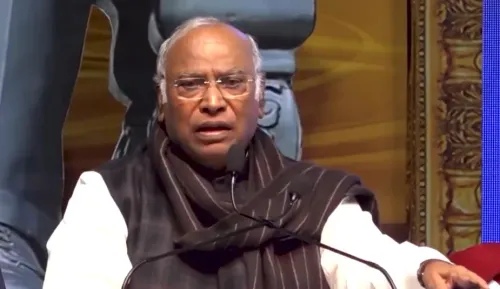
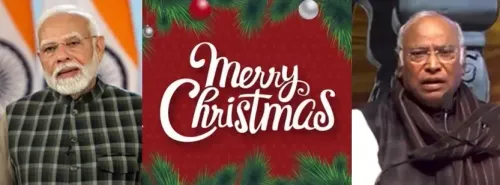
New Delhi, Dec 25 (NationPress) The President of Congress, Mallikarjun Kharge, on Wednesday, sent heartfelt wishes to fellow citizens in celebration of Christmas. He emphasized that this sacred festival encourages individuals to embrace enduring principles of love, compassion, forgiveness, peace, and unity.
In a message broadcasted on the social media platform X, Kharge noted, “On this joyous Christmas, I send my warm wishes to all of you. This sacred occasion, which commemorates the birth of Jesus Christ, motivates us to uphold these eternal values.”
He also expressed hope that this festive time would enhance the collective determination to foster a more humane and harmonious society.
“May this blessed occasion reinforce our shared commitment to create a more compassionate and united community while ushering in renewed hope, happiness, and prosperity for everyone. Merry Christmas,” added the Congress President.
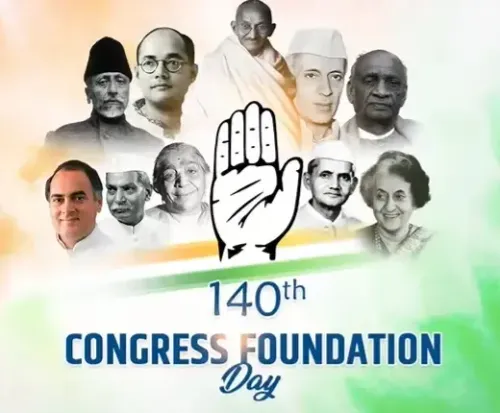
The Indian National Congress similarly conveyed its holiday greetings through a post on X, wishing people across the nation well.
“May this festive season bring peace, good health, and enduring happiness to every household. Let love and unity guide us towards a brighter, more compassionate future. The Congress family wishes everyone a Merry Christmas,” the party stated.
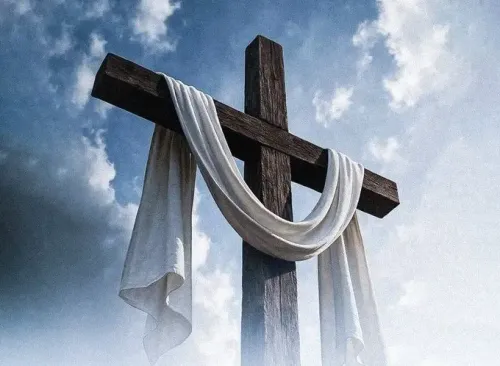
Christmas, celebrated annually on December 25, marks the birth of Jesus Christ and holds significant religious importance for Christians worldwide. Over the years, it has transformed into a cultural celebration that transcends religious lines, embodying themes of hope, peace, forgiveness, and love.
This holiday showcases a fusion of Christian beliefs and ancient winter customs. While Christians observe December 25 as the day Jesus Christ was born, the exact date is not specified in the Bible. Early Christians selected this date to align with pre-existing winter festivities that were already popular.
In ancient Rome, celebrations like Saturnalia took place in late December around the winter solstice, a time characterized by feasting, gift-giving, and joyous gatherings as the days began to lengthen. Likewise, various European cultures celebrated the return of light amid the darkest period of the year. As Christianity spread, early church leaders adopted and reinterpreted these traditions.
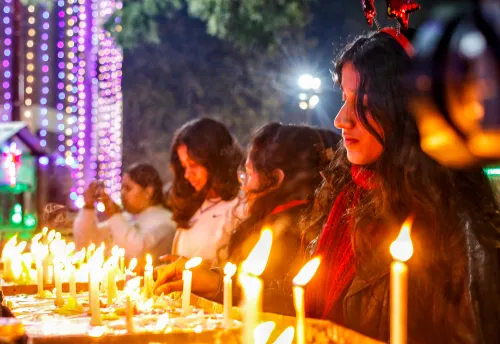
By the 4th century, Christmas was officially acknowledged as a Christian holiday. As it proliferated throughout Europe and beyond, local traditions blended with religious rituals. Customs such as decorating evergreen trees, exchanging gifts, singing carols, and family gatherings gradually became essential to Christmas festivities.
Today, Christmas is recognized not only as a religious event but also as a cultural festival that promotes values of love, peace, generosity, and togetherness across communities globally.
Point of View
I view this message from Congress President Kharge as a timely reminder of the importance of unity and compassion during the holiday season. His sentiments resonate across the nation, reinforcing the values that can help bridge divides and foster a more harmonious society. As we celebrate Christmas, it is essential to embrace these principles for a better future.
NationPress
30 Sept 2026
Frequently Asked Questions
What does Kharge say about Christmas?
Kharge emphasizes that Christmas inspires values of love, compassion, forgiveness, peace, and unity.
How does the Indian National Congress celebrate Christmas?
The Congress party extends warm wishes and encourages peace, health, and happiness for all during the festive season.
What is the significance of Christmas?
Christmas marks the birth of Jesus Christ and promotes themes of hope, peace, and love across cultures.
When is Christmas celebrated?
Christmas is celebrated annually on December 25.
What are common Christmas traditions?
Common traditions include decorating trees, exchanging gifts, singing carols, and family gatherings.