PM Modi: 125 Naxal-hit districts now free, tribals feel safe
Synopsis
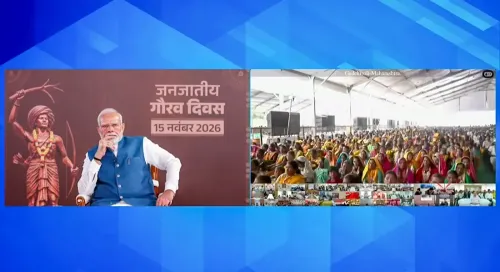
On Janjatiya Gaurav Diwas 2026, the MP Chief Minister's Office quoted PM Modi saying Naxal influence has been eliminated from roughly 125 once-affected districts, with tribal communities now feeling safe and contributing to national progress.
Key Takeaways
PM Narendra Modi stated that approximately 125 districts were affected by Maoism and Naxalism in 2014 ; he declared that influence has now been eliminated.
The Prime Minister said mothers and sisters in former LWE districts now feel safe and are offering blessings — framing the change as community-level acceptance.
Tribal society is actively contributing to national progress, according to Modi's statement shared on Janjatiya Gaurav Diwas, 15 November 2026 .
Janjatiya Gaurav Diwas marks the birth anniversary of freedom fighter Birsa Munda and was institutionalised to recognise tribal heritage.
The Ministry of Home Affairs has conducted annual reviews reducing its LWE-affected district list since 2014 , combining security operations with welfare and infrastructure schemes.
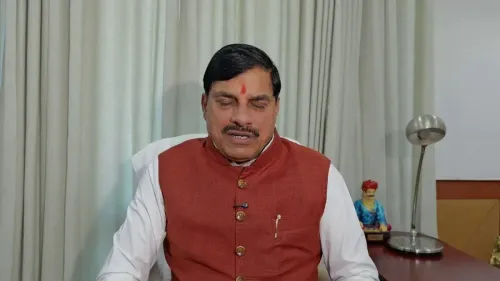
Madhya Pradesh CM Mohan Yadav was tagged in the post, reflecting state-level alignment with the Centre's tribal security-and-development narrative.
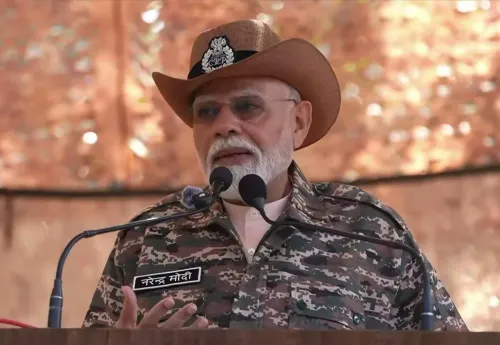
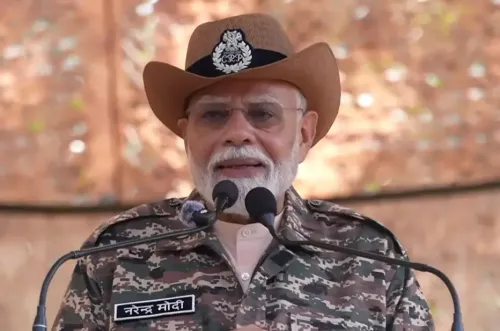
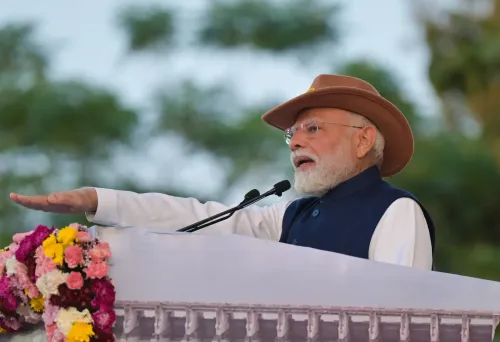
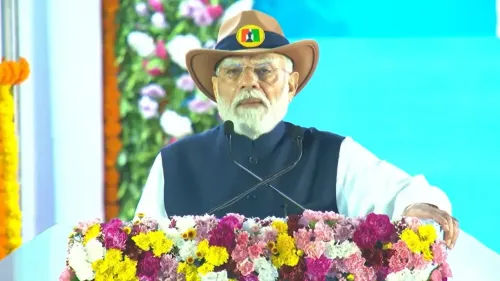
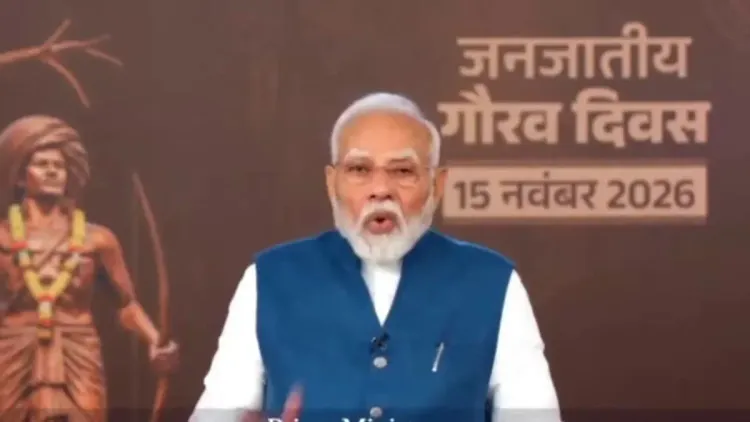
From roughly 125 districts gripped by Maoist terror in 2014 to communities where mothers and sisters are stepping forward to offer blessings — that is the arc Prime Minister Narendra Modi traced on Janjatiya Gaurav Diwas, 15 November 2026, as the Chief Minister's Office of Madhya Pradesh amplified his words to mark the national tribal observance.
Quoting the Prime Minister directly, the post reads: 'वर्ष 2014 में देश के लगभग सवा सौ जिले माओवाद और नक्सलवाद से प्रभावित थे।' — 'In 2014, approximately 125 districts of the country were affected by Maoism and Naxalism. Today, as the influence of Maoism and Naxalism has ended in those regions, the mothers and sisters there are blessing us. They feel safe today. Tribal society is also contributing actively to the nation's progress.'
Twelve years of counter-Naxal strategy, and what changed
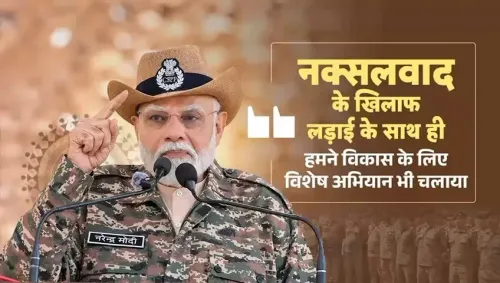
The numbers Modi cited anchor a policy arc that began almost immediately after his government took office. The Ministry of Home Affairs started annual reviews of its Left Wing Extremism (LWE)-affected district list from 2014 onward, progressively shrinking the red zones as security operations intensified and infrastructure spending reached previously inaccessible tribal belts. The earlier Operation Green Hunt, launched in 2009, had already signalled the state's shift toward coordinated paramilitary pressure — but the post-2014 phase layered welfare schemes and road-building directly onto security gains, aiming to drain the ideological reservoir Maoists drew from.
Madhya Pradesh sits at the heart of this story. With one of India's largest tribal populations, the state has been both a battleground and a beneficiary of the dual security-and-development approach. Chief Minister Mohan Yadav, tagged in the post, has been responsible for the state-level execution of central LWE policies alongside tribal welfare programmes.
Janjatiya Gaurav Diwas and the politics of tribal recognition
Janjatiya Gaurav Diwas — observed every 15 November — marks the birth anniversary of Birsa Munda, the legendary tribal freedom fighter who led the Ulgulan uprising against colonial rule. The Centre institutionalised the observance to anchor tribal pride to a mainstream national calendar, and state governments, particularly those in BJP-ruled states with large tribal constituencies, have used the occasion to showcase both heritage and policy delivery.
Framing the decline of Naxal influence on this specific date is deliberate: it ties internal-security progress to a narrative of tribal empowerment rather than purely coercive state action. The message — that tribal communities are now 'blessing' the administration rather than fearing it — is designed to signal consent and integration, not just suppression.
What the ground picture still needs to confirm
The claim of Maoist influence being 'ended' across former LWE districts is an official position; the precise current count of still-active districts and the full ground picture remain subject to the next MHA district list release. What is not in dispute is the directional trend: successive official reviews have documented a shrinking geographic footprint of Naxal violence over the past decade. The more consequential question now is whether development delivery in de-notified districts is keeping pace fast enough to hold the peace.
On the day India honours Birsa Munda's legacy, the government's answer is that security and development together have finally turned the tide — and that tribal India is not just a beneficiary of that change, but an active participant in building what comes next.
Point of View
Shaping the narrative ahead of any forthcoming MHA district-list revision. The choice of Birsa Munda's birth anniversary as the platform is strategic: it reframes coercive counter-insurgency as an act of tribal liberation, softening the optics of prolonged paramilitary operations. For Madhya Pradesh, with its enormous tribal electorate, amplifying this message locally signals that the BJP government intends to cement its tribal-welfare credentials. The unresolved question — whether development delivery in de-notified areas is durable enough to prevent re-infiltration — will determine whether today's claim becomes a lasting legacy or a premature declaration.
NationPress
15 Nov 2026
Frequently Asked Questions
What is Janjatiya Gaurav Diwas and why is it celebrated on 15 November?
Janjatiya Gaurav Diwas is a national observance held every 15 November to mark the birth anniversary of tribal freedom fighter Birsa Munda, who led the Ulgulan uprising against colonial rule. The Central Government institutionalised it to recognise and celebrate tribal heritage and contributions to India's freedom movement.
How many districts were affected by Naxalism in 2014 according to PM Modi?
PM Modi stated that approximately 125 districts across India were affected by Maoism and Naxalism in 2014. He said that influence has since been eliminated in those regions.
What has the Indian government done to reduce Naxal influence since 2014?
Since 2014, the Ministry of Home Affairs has annually reviewed and reduced its list of Left Wing Extremism-affected districts. The strategy combines intensified security operations — building on the earlier Operation Green Hunt launched in 2009 — with infrastructure investment and welfare schemes in tribal belts.
What is Madhya Pradesh's connection to Naxalism and tribal welfare?
Madhya Pradesh has one of India's largest tribal populations and has been part of the national LWE-affected zone. Chief Minister Mohan Yadav oversees state-level execution of both counter-LWE security policy and tribal welfare programmes aligned with Central Government initiatives.
Who is Birsa Munda and why is he significant to India's tribal communities?
Birsa Munda was a tribal freedom fighter and folk hero born on 15 November 1875 who led the Ulgulan — meaning 'Great Tumult' — revolt against British colonial and landlord exploitation in the Chota Nagpur plateau. He is revered as 'Dharti Aaba' or Father of the Earth, and his legacy is central to tribal identity across central and eastern India.