Delimitation Bill 'unscientific', hurts South: Priyank Kharge
Synopsis
Karnataka minister Priyank Kharge has called the Centre's Delimitation Bill 'unscientific' and urged Southern states to unite against it. He warned that a population-based expansion of the Lok Sabha from 543 to around 850 seats could penalise states that controlled population growth. He also questioned giving the CEC a vote on the Delimitation Commission.
Key Takeaways
Karnataka Minister Priyank Kharge called the proposed Delimitation Bill “unscientific” on 28 November 2026 in Kalaburagi .
He said a proposed 50 per cent rise could take Lok Sabha seats from 543 to around 850 .
He warned that population-based delimitation could be a major setback for Southern states .
He questioned the plan to give the CEC voting rights in the Delimitation Commission and the reliance on the 2011 Census .
He sought transparency on reservations for SC, ST, Backward Classes and women , and urged Southern states to unite.
He demanded Rajnath Singh respond to alleged vote deletion in Aland .
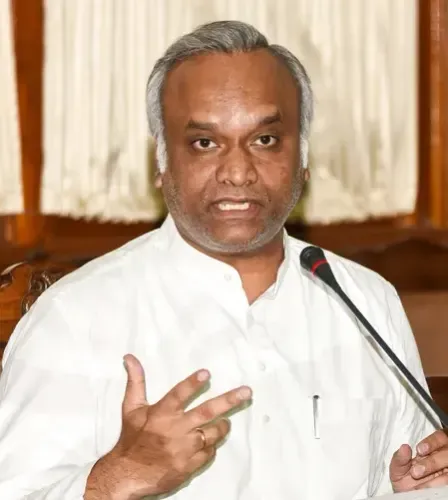
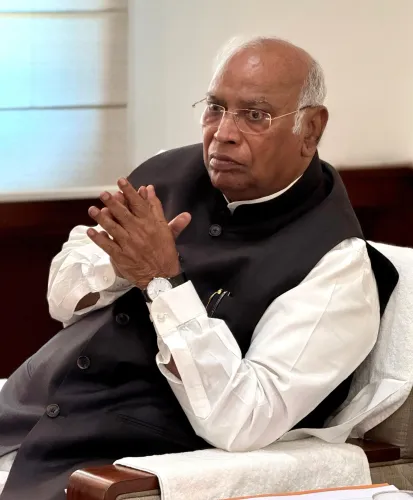
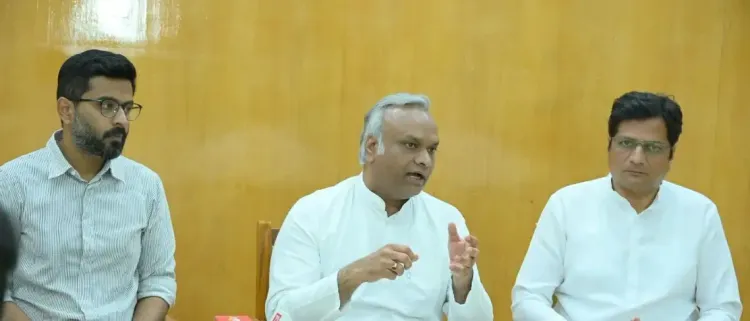
Karnataka Minister Priyank Kharge on Saturday, 28 November 2026, called the Centre's proposed Delimitation Bill “unscientific” and alleged it was politically motivated. Speaking at a press conference in Kalaburagi, he warned the exercise could weaken the political representation of Southern states. Kharge holds the Home, IT/BT and E-Governance portfolios in Karnataka and is in-charge of Kalaburagi district.
He alleged that Prime Minister Narendra Modi was trying to retain power through delimitation out of fear of electoral defeat. He also accused the Union government of taking decisions to suit its political interests.
Key Objections to the Delimitation Bill
Kharge's central argument was that a population-based redrawing of constituencies could penalise states that have made significant progress in population control, education, healthcare and economic development.
“If delimitation was carried out based on population, Southern states could suffer a major setback,” he warned.
He also questioned the proposal to expand the Lok Sabha. According to Kharge, if the proposed 50 per cent increase in seats is implemented, the existing 543 seats could rise to around 850.
“Why should the number of Lok Sabha seats be increased from 543 to 850? Even with the existing 543 members, the problems of people are not being adequately addressed. What purpose will increasing the strength to 800 or 900 serve?” he asked.
Concerns Over the Delimitation Commission
Kharge acknowledged that he had not yet examined the entire Bill. He nonetheless raised concerns about the composition and powers of the proposed Delimitation Commission, including a provision to give the Chief Election Commissioner (CEC) voting rights in the panel.
He questioned whether the CEC should have a decisive role in delimitation, given the concerns already raised over changes to the Election Commission's appointment process.
He asked why the Centre was in a hurry to carry out delimitation based on the 2011 Census. He also demanded transparency on how constituencies would be drawn and how seats would be reserved for Scheduled Castes, Scheduled Tribes, Backward Classes and women. According to Kharge, boundaries should take into account geographical conditions, administrative convenience and social justice.
He urged Southern states to unite against any move that could undermine their interests. Political differences, he said, should be set aside when a state's interests are at stake.
Kharge's remarks reflect concerns that leaders from several Southern states have raised before. They have long argued that a population-based seat allocation would reward states with higher population growth and penalise those that met national family-planning goals.
Voter List Row in Aland and Chittapur
Kharge also referred to alleged irregularities in voter lists. He said complaints had been filed over the Special Intensive Revision (SIR) process in the Aland and Chittapur constituencies.
He demanded that Defence Minister Rajnath Singh respond to allegations of vote deletion in Aland. He also asked why Bharatiya Janata Party (BJP) leaders were silent on the issue.
Water Scarcity, Bhima Dispute and Political Attacks
Drinking water: Kharge said a task force had been constituted and was prepared to provide additional funds wherever necessary. He added that borewells alone could not solve scarcity in some areas. He cited persistent problems in Rajavala village in his constituency despite efforts over the past decade. He also called for regulation of private water tanker supplies.
Bhima river: Kharge said the state government was holding talks with Maharashtra and was prepared for a legal battle to protect Karnataka's interests. He expressed concern that irrigation projects worth thousands of crores being undertaken by Maharashtra could hurt Karnataka.
BJP criticism: Kharge said the Congress-led Karnataka government had implemented all five guarantee schemes, even though opposition leaders had initially claimed they would fail. He challenged the Centre to answer questions about fugitive businessmen Vijay Mallya and Nirav Modi and about rising prices. He also asked the BJP to name its Chief Ministerial candidate in Karnataka.
As the Bill moves forward, the debate over how India balances population with federal fairness is likely to intensify, with Southern states watching every clause closely.
Point of View
And that concern cuts across party lines. His argument would be stronger had he read the full Bill before criticising it; he admitted he had not. Still, his questions about the CEC's role and the 2011 Census baseline deserve clear answers from the Centre, because a reform this consequential cannot rest on opacity.
NationPress
28 Nov 2026
Frequently Asked Questions
What did Priyank Kharge say about the Delimitation Bill?
Priyank Kharge called the proposed Delimitation Bill 'unscientific' and alleged it was politically motivated. He warned it could weaken the political representation of Southern states.
How many Lok Sabha seats could there be after delimitation?
According to Kharge, a proposed 50 per cent increase could raise Lok Sabha seats from the existing 543 to around 850. He questioned the purpose of such an expansion.
Why are Southern states worried about delimitation?
Southern states fear that a population-based delimitation could reduce their relative representation. These states have made significant progress in population control, education, healthcare and economic development.
What concerns did Kharge raise about the Delimitation Commission?
Kharge questioned the proposal to give the Chief Election Commissioner voting rights in the commission. He also asked why the Centre was in a hurry to use the 2011 Census and sought clarity on reservation criteria.
What did Kharge say about the Aland voter list issue?
Kharge said complaints had been filed over the Special Intensive Revision process in Aland and Chittapur. He demanded that Defence Minister Rajnath Singh respond to allegations of vote deletion in Aland.