Khattar Hails CPWD's 172-Year Role in India's Infrastructure
Synopsis
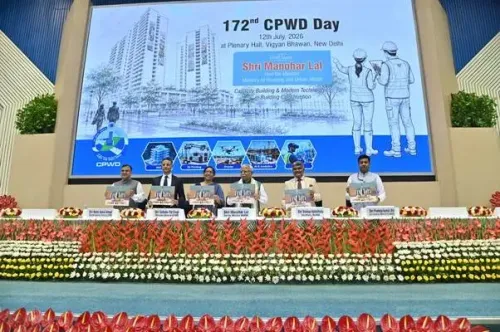
Union Minister Manohar Lal Khattar marked CPWD's Annual Day on 13 July 2026 by highlighting the department's 172-year contribution to India's infrastructure. Established in 1854, CPWD remains the central government's primary construction and maintenance agency under the Ministry of Housing and Urban Affairs.
Key Takeaways
Manohar Lal Khattar , Union Minister of Housing & Urban Affairs, acknowledged CPWD's role at its Annual Day Celebrations on 13 July 2026 .
CPWD was established in 1854 , making it over 172 years old and one of India's oldest public works institutions.
The department functions as the central government's primary agency for construction and maintenance of government buildings, roads, and civic assets.
The National Infrastructure Pipeline launched in 2019 with an outlay of Rs 111 lakh crore has expanded CPWD's coordinating role in national infrastructure delivery.
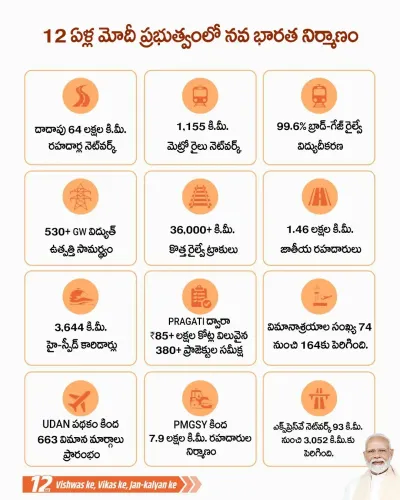
Capital expenditure on infrastructure in Union Budgets has risen consistently since 2014 , with CPWD serving as a key delivery arm for centrally funded projects.
Future budget allocations for the Ministry of Housing and Urban Affairs and new PM Gati Shakti mandates will shape CPWD's upcoming project priorities.
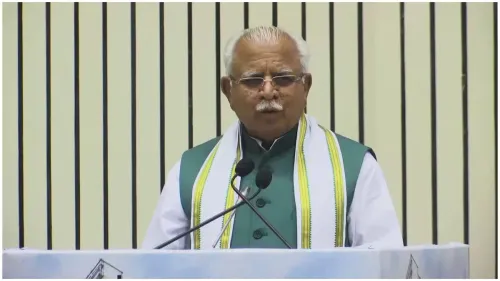
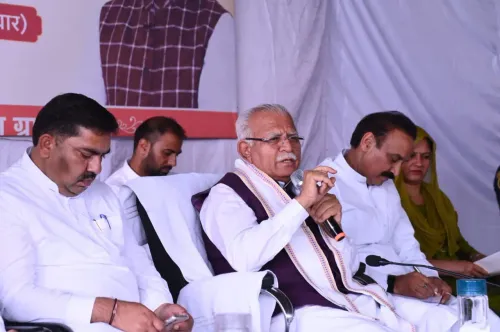
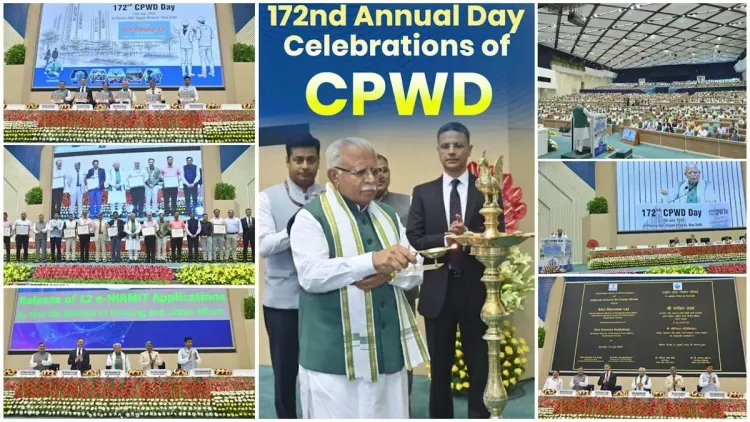
Union Minister of Power and Housing & Urban Affairs Manohar Lal Khattar on Monday, 13 July 2026 paid tribute to the Central Public Works Department (CPWD) on the occasion of its Annual Day Celebrations, underscoring the agency's enduring contribution to the country's infrastructure landscape over more than 150 years.
Posting on X, the minister wrote that CPWD has 'played a defining role in shaping India's infrastructure landscape, which continues to support the nation's growth and development,' sharing highlights from what he described as 'an eventful Annual Day Celebrations.'
Context
CPWD was established in 1854 under the colonial administration to centralise public construction works across the subcontinent. Since independence, it has evolved into the primary executing agency for central government buildings, roads, and civic infrastructure, operating under the Ministry of Housing and Urban Affairs. Minister Khattar, who also holds charge of the Ministry of Power, oversees the department as part of his Housing and Urban Affairs portfolio.
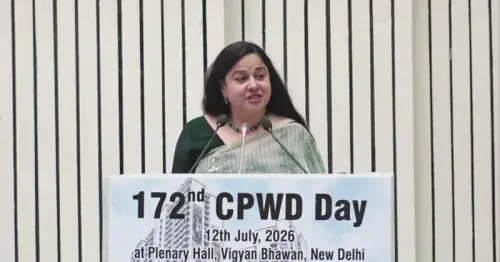
The Annual Day is a yearly institutional event at which CPWD reviews completed projects, honours its engineering workforce, and charts priorities for the period ahead. The 2026 edition drew attention from the minister's office given CPWD's expanding mandate under current urban development programmes.
Policy Backdrop
Successive Union governments have progressively widened CPWD's brief — from maintaining colonial-era secretariat buildings to delivering modern assets such as airports, central hospitals, and smart-city infrastructure. Capital expenditure on infrastructure in Union Budgets has risen steadily since 2014, with CPWD frequently tasked as a timely delivery arm for centrally funded projects.
The National Infrastructure Pipeline, launched in 2019 with an outlay of Rs 111 lakh crore, positioned CPWD alongside other agencies in a coordinated push to bridge India's infrastructure deficit. More recently, the PM Gati Shakti framework has sought to synchronise multi-ministry project execution, a mechanism under which CPWD's role as a central construction authority gains added significance.
Stakeholders and Impact
CPWD's work directly affects a wide range of stakeholders: its large cadre of engineers and technical staff, urban local bodies that rely on centrally built civic assets, and citizens who use government hospitals, courts, and public buildings constructed or maintained by the department. The minister's acknowledgement of the department's 172-year legacy signals continued institutional support for its workforce and mission.
For CPWD engineers and administrative staff, Annual Day recognition from a senior cabinet minister carries significance in terms of departmental morale and visibility within the government's infrastructure delivery ecosystem.
What's Next
Attention will now turn to the next Union Budget and the allocation earmarked for the Ministry of Housing and Urban Affairs, which determines CPWD's project pipeline and staffing capacity for the coming financial year. Any new mandates under updated PM Gati Shakti coordination mechanisms — particularly for green buildings, affordable housing, or border infrastructure — could further reshape the department's priorities.
With Khattar having flagged CPWD's foundational role in national development, the ministry is expected to use the Annual Day momentum to push for enhanced budgetary support and faster project clearances in the months ahead.
Point of View
Often overshadowed by newer mission-mode agencies, benefits from such ministerial visibility when competing for larger allocations. The shout-out also signals that the Housing and Urban Affairs Ministry intends to keep CPWD central to flagship delivery rather than outsource execution to private players. Watching whether this translates into a meaningful budget bump or new Gati Shakti mandates will be the real test of intent.
NationPress
13 Jul 2026
Frequently Asked Questions
What is CPWD and when was it established?
CPWD, or the Central Public Works Department, is the Indian government's primary agency for constructing and maintaining central government buildings, roads, and public infrastructure. It was established in 1854 during the colonial period and now operates under the Ministry of Housing and Urban Affairs .
Why did Manohar Lal Khattar post about CPWD on 13 July 2026?
Minister Manohar Lal Khattar posted on X to mark CPWD's Annual Day Celebrations , an annual institutional event where the department reviews its work and honours its staff. As the Union Minister of Housing & Urban Affairs, CPWD falls directly under his ministerial charge.
What is the National Infrastructure Pipeline and how does CPWD fit in?
The National Infrastructure Pipeline is a government initiative launched in 2019 with a projected outlay of Rs 111 lakh crore to coordinate infrastructure projects across central and state agencies. CPWD is one of the key central executing agencies contributing to this pipeline, particularly for government-owned assets.
What is PM Gati Shakti and what role does CPWD play in it?
PM Gati Shakti is a national master plan framework designed to synchronise infrastructure project planning and execution across multiple ministries. CPWD, as the central government's construction arm, is expected to align its project delivery with Gati Shakti's multimodal connectivity and urban development goals.
Who is Manohar Lal Khattar?
Manohar Lal Khattar is a senior BJP leader and former Chief Minister of Haryana . He currently serves as the Union Minister of Power and Housing & Urban Affairs in the central government.