Khattar Inaugurates Central Vista Corridor Groundbreaking at Delhi Metro
Synopsis
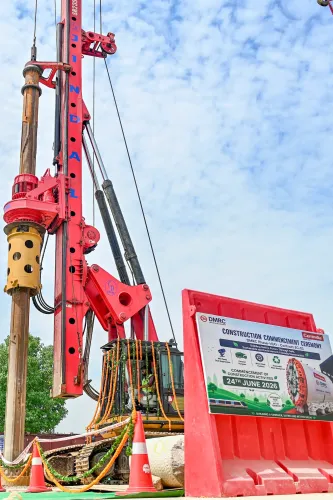
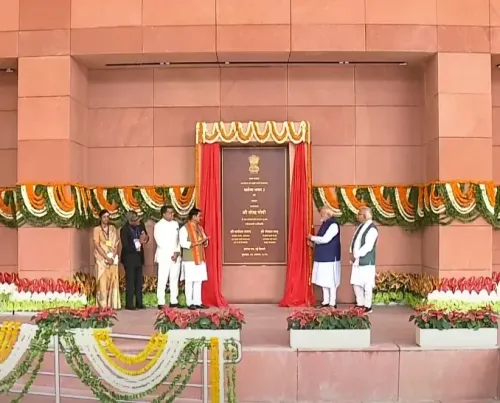
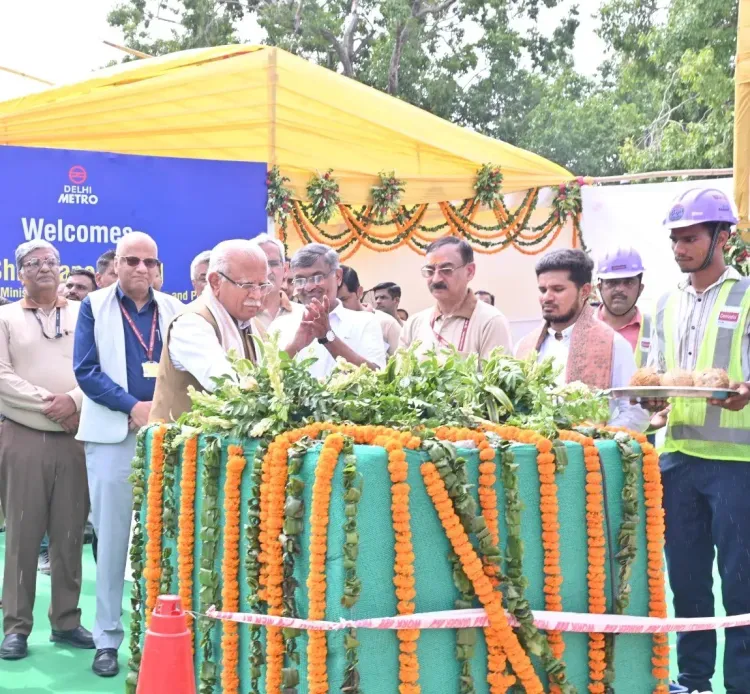
Union Minister Manohar Lal Khattar inaugurated the Ground Breaking Ceremony of the Central Vista Corridor at Central Secretariat Metro Station on June 24, 2026. The corridor will connect Kartavya Bhawan, India Gate, the National War Memorial, and the Supreme Court to Delhi's metro network, improving daily access for thousands of commuters and government employees.
Key Takeaways
Union Minister Manohar Lal Khattar inaugurated the Ground Breaking Ceremony of the Central Vista Corridor at Central Secretariat Metro Station on June 24, 2026 .
The corridor will provide metro connectivity to Kartavya Bhawan , India Gate , the National War Memorial , and the Supreme Court of India .
The project is part of the broader Central Vista Redevelopment , approved by the Union Cabinet in 2019 at a cost exceeding Rs 20,000 crore .
Enhanced integration with major DMRC metro lines is expected to reduce commuting time and ease congestion in central New Delhi .
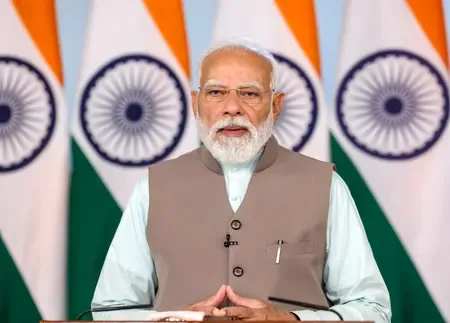
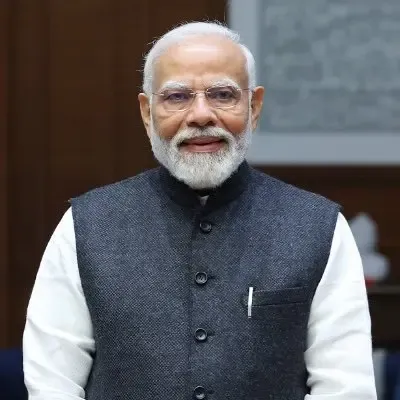
The initiative is framed under Prime Minister Narendra Modi 's vision of modern, citizen-centric urban infrastructure.
Progress on the corridor will be tracked alongside Delhi Metro Phase-IV completion timelines and upcoming budget announcements.
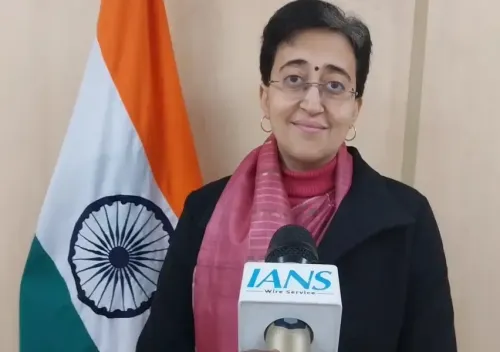
Union Power Minister Manohar Lal Khattar inaugurated the Ground Breaking Ceremony of the Central Vista Corridor at Central Secretariat Metro Station in New Delhi on Wednesday, June 24, 2026, marking a significant step in the capital's urban mobility expansion. The corridor is designed to provide seamless underground connectivity to key national institutions and landmarks across the Central Vista precinct.
Context
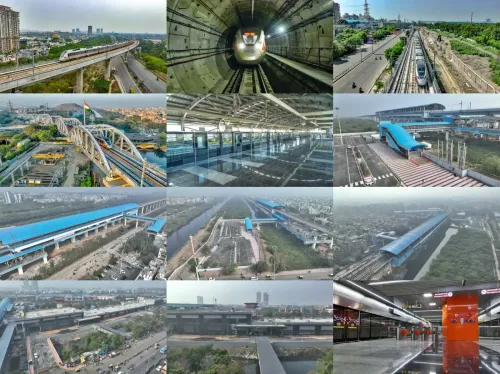
The Central Vista Corridor will link Central Secretariat Metro Station — an existing interchange on the Yellow and Violet Lines — to prominent destinations including Kartavya Bhawan, India Gate, the National War Memorial, and the Supreme Court of India. Minister Khattar described the project as one that will 'improve accessibility for thousands of employees, citizens, and visitors every day.' The initiative sits within the broader Central Vista Redevelopment Project, which received Union Cabinet approval in 2019 at an estimated cost exceeding Rs 20,000 crore, covering the new Parliament building, secretariat complexes, and public spaces.
Kartavya Bhawan, a key destination on the proposed corridor, is the newly developed central secretariat complex that has become the operational hub for several Union Ministries. Integrating it with the metro network addresses the last-mile connectivity gap that has long been a concern for the tens of thousands of government employees and visitors who access the precinct daily.
Policy Backdrop
The groundbreaking aligns with the Delhi Metro Phase-IV expansion programme, which received Cabinet approval in 2019 and subsequent funding clearances through 2020–22. Phase-IV corridors extend the Delhi Metro Rail Corporation (DMRC)'s network deeper into central and peripheral Delhi, with the Central Vista link representing one of its most symbolically significant components. Minister Khattar credited Prime Minister Narendra Modi's 'vision of modern, citizen-centric infrastructure' as the guiding force behind the project.
The Government of India has since 2014 pursued large-scale urban transport projects that integrate metro systems with administrative and heritage precincts. Similar integration has been pursued under AMRUT-funded city mobility plans, emphasising time savings and last-mile connectivity to government complexes across the country.
Stakeholders and Impact
The corridor is expected to benefit central government employees, Delhi commuters, and the large number of domestic and international visitors who travel to India Gate and the National War Memorial each year. Enhanced integration with major metro lines, as highlighted by the Minister, is intended to ensure smoother and more efficient travel across the capital without dependence on road transport.
The DMRC, which the Minister described as being elevated to a 'world-class public transport system' through such projects, stands to see a significant increase in ridership as the corridor reduces commuting time for users of the Central Vista precinct. The project also reinforces the role of public transit in reducing vehicular congestion in one of New Delhi's most traffic-intensive corridors.
What's Next
Progress on the Central Vista Corridor will be closely tracked alongside broader Phase-IV metro corridor timelines. Any revised completion schedules or funding updates are expected to be announced through the Ministry of Housing and Urban Affairs or in upcoming Union Budget deliberations. The project's delivery will be a key marker of the government's ability to integrate the Central Vista redevelopment with functional urban mobility infrastructure before the precinct reaches full operational capacity.
Point of View
Not just ceremonial optics. By positioning the DMRC upgrade within PM Modi's 'citizen-centric' framework, the Ministry of Housing and Urban Affairs is reinforcing a narrative of governance that connects grand urban redesign to functional public utility. The project also deepens the institutional logic of Phase-IV metro expansion, which has faced scrutiny over timelines and costs, by anchoring it to a high-visibility precinct. Delivery on this corridor will be a credibility test for both the Central Vista programme and the broader urban mobility agenda heading into the next electoral cycle.
NationPress
24 Jun 2026
Frequently Asked Questions
What is the Central Vista Corridor metro project?
The Central Vista Corridor is a proposed metro link originating at Central Secretariat Metro Station that will provide seamless connectivity to key national landmarks including Kartavya Bhawan, India Gate, the National War Memorial, and the Supreme Court of India, as part of the broader Central Vista Redevelopment Project.
Who inaugurated the Central Vista Corridor groundbreaking ceremony?
Union Minister of Power and Housing & Urban Affairs Manohar Lal Khattar inaugurated the Ground Breaking Ceremony of the Central Vista Corridor at Central Secretariat Metro Station on June 24, 2026.
Which metro lines connect at Central Secretariat Metro Station?
Central Secretariat Metro Station is an existing interchange station on the Yellow Line and Violet Line of the Delhi Metro network, making it a key hub for central Delhi connectivity.
What is the Central Vista Redevelopment Project?
The Central Vista Redevelopment Project received Union Cabinet approval in 2019 at an estimated cost exceeding Rs 20,000 crore. It covers the construction of a new Parliament building, central secretariat complexes including Kartavya Bhawan, and redesigned public spaces in the heart of New Delhi.
How will the Central Vista Corridor benefit Delhi commuters?
The corridor is designed to improve daily accessibility for thousands of central government employees, citizens, and visitors by reducing commuting time, cutting dependence on road transport in a heavily congested area, and integrating the Central Vista precinct with the broader DMRC metro network.