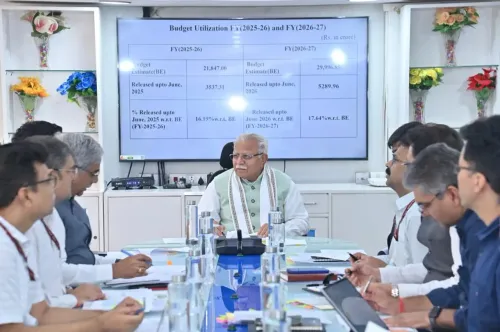
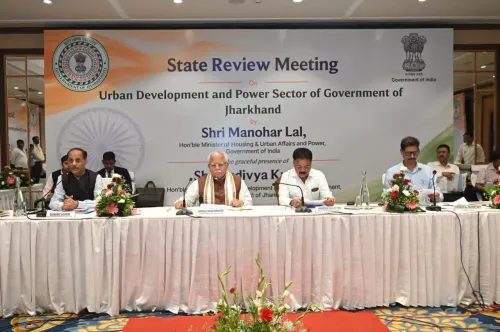
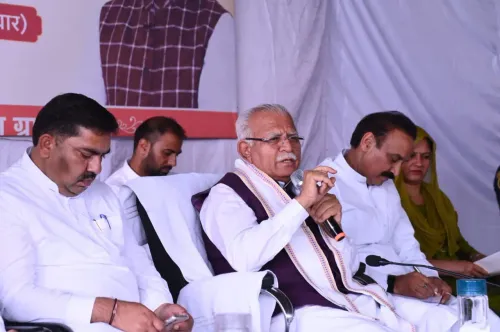
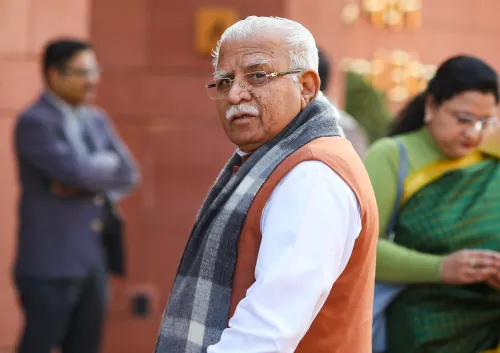
Power Minister Khattar Reviews Railways Act, Electricity Law Amendments
Synopsis
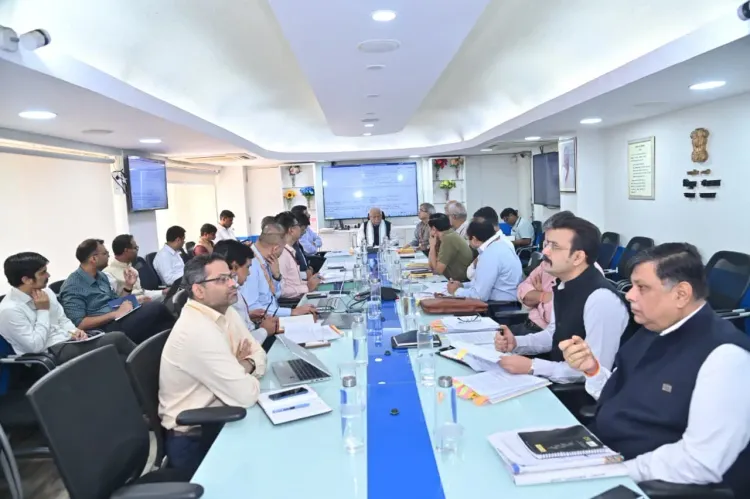
Union Power Minister Manohar Lal Khattar reviewed proposed amendments to the Railways Act, 1989 and Electricity Act, 2003 on 8 August 2026, examining the deemed licensee status for Indian Railways, cross-subsidy surcharge implications for state discoms, and India's power supply outlook for August–September 2026.
Key Takeaways
Union Power Minister Manohar Lal Khattar chaired a power sector review on 8 August 2026 .
The review examined proposed amendments to both the Railways Act, 1989 and the Electricity Act, 2003 .
The central legislative question is whether Indian Railways should be treated as a deemed electricity distribution licensee, enabling direct power procurement.
Granting Railways this status would affect Cross-Subsidy Surcharge (CSS) and Additional Surcharge revenues that state discoms currently collect from Railways.
The review also covered demand trends, state-wise shortages, renewable and conventional generation, reservoir levels, and the August–September 2026 supply outlook.
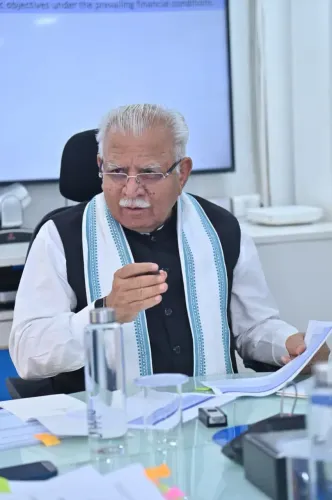
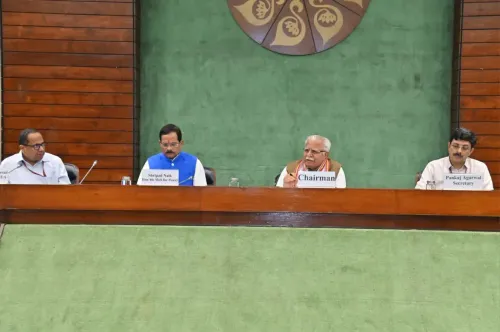
Two pieces of legislation — one from 1989, one from 2003 — sit at the centre of a quiet but consequential turf battle between Indian Railways and state power utilities. On Saturday, 8 August 2026, Union Power Minister Manohar Lal Khattar chaired a high-level review that put both statutes under the microscope, alongside a granular assessment of the country's power supply position heading into the critical August–September 2026 period.
The Railways-as-licensee question and what it means for state discoms
At the heart of the legislative review is a long-running proposal to treat Indian Railways as a 'deemed electricity distribution licensee' under the Electricity Act, 2003. If granted, this status would allow Railways to procure power directly from generators — bypassing state distribution companies (discoms) — potentially slashing its electricity costs significantly. The catch: state discoms would lose the Cross-Subsidy Surcharge (CSS) and Additional Surcharge revenues that Railways currently contributes, revenues that help subsidise agricultural and domestic consumers. This tension is not new. Indian Railways has pursued deemed licensee status since the 2010s, and the Electricity (Amendment) Bill, 2021 previously attempted to widen open-access provisions. What is new is that the proposed amendments now span both the Railways Act, 1989 — the primary statute governing the national rail network — and the Electricity Act, 2003, suggesting a coordinated, dual-track legislative push. Khattar's review signals the Ministry of Power is actively working through the regulatory and financial implications before any bill goes to Parliament.Demand trends, reservoir levels, and the August–September supply outlook
Beyond the legislative questions, the review covered the full spectrum of India's near-term power supply position: demand trends, energy availability, state-wise shortages, renewable and conventional generation capacity, and reservoir levels that directly determine hydro output. The August–September window matters enormously — monsoon-season demand patterns, hydro generation peaks, and the tail end of summer cooling loads converge, making supply adequacy a live operational concern for every state grid. The minister's focus on 'ensuring adequate and reliable power supply' signals that the Centre is tracking state-level shortages closely, even as renewable capacity continues to grow alongside conventional thermal and hydro generation.A ministry balancing reform and stability
For Khattar, the dual agenda — structural legislative reform on one side, immediate supply management on the other — reflects the broader challenge facing the Ministry of Power. Successive governments have tried to modernise the Electricity Act, 2003 to promote competition and financial viability of discoms, while managing the political economy of cross-subsidies that keep power affordable for millions of farmers and households. The Railways deemed-licensee question sharpens that dilemma: a win for one large consumer could weaken the financial scaffolding that holds state utilities together. The next signal to watch is whether amendment bills are introduced in the upcoming parliamentary session — and how state governments, whose discom revenues are directly at stake, respond.Point of View
2021, which stalled partly over similar discom revenue concerns — making state buy-in the decisive variable this time too. The August power supply review running in parallel underscores that reform ambition must coexist with the unglamorous, season-by-season work of keeping the lights on.
NationPress
23 Sept 2026
Frequently Asked Questions
What is the Railways deemed electricity distribution licensee issue?
It refers to a proposal to grant Indian Railways the legal status of a deemed electricity distribution licensee under the Electricity Act, 2003 , which would allow Railways to procure power directly from generators without going through state distribution companies, potentially reducing its electricity costs.
How does Railways' deemed licensee status affect state discoms?
If Railways is classified as a deemed licensee, state discoms would lose the Cross-Subsidy Surcharge (CSS) and Additional Surcharge that Railways currently pays them, revenues which help subsidise power for agricultural and domestic consumers.
What did Power Minister Khattar review on 8 August 2026?
Union Power Minister Manohar Lal Khattar reviewed proposed amendments to the Railways Act, 1989 and Electricity Act, 2003 , and also assessed India's overall power supply position including demand trends, state-wise shortages, renewable generation, reservoir levels, and the outlook for August–September 2026 .
What is the Electricity Act, 2003?
The Electricity Act, 2003 is the primary Indian legislation governing the generation, transmission, distribution, and trading of electricity. It introduced open access and established state electricity regulatory commissions.
Why does the August–September power supply outlook matter?
The August–September period is critical because monsoon-season demand patterns, peak hydro generation from full reservoirs, and residual summer cooling loads all converge, making supply adequacy a key operational challenge for state grids across India.