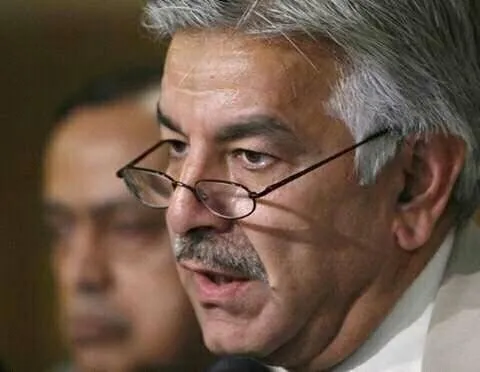
Pakistan’s Khawaja Asif Targets Kolkata Amid Rising Tensions
Synopsis
India's security agencies are on high alert following remarks from Pakistan's Defence Minister Khawaja Asif, who threatened retaliation against Kolkata if India conducts a 'false flag operation.' This situation raises concerns of potential terror activities aimed at destabilizing West Bengal during elections.
Key Takeaways
Pakistan's Defence Minister Khawaja Asif has made threatening remarks about Kolkata.
A false flag operation is a tactic meant to mislead and justify retaliation.
India's response to any provocation from Pakistan will be robust and decisive.
There are concerns about potential terror attacks in West Bengal during the election period.
The relationship between India and Bangladesh is under scrutiny due to these tensions.
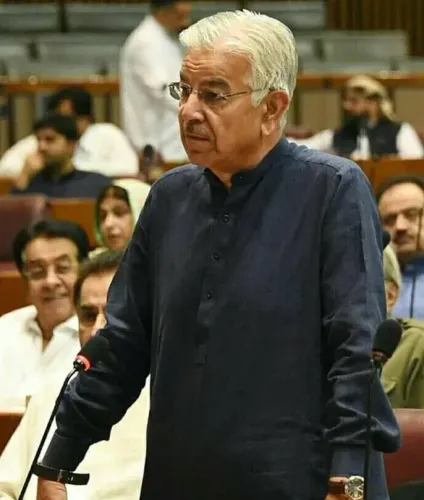
New Delhi, April 6 (NationPress) India's security forces are meticulously scrutinizing the statements made by Pakistan's Defence Minister, Khawaja Asif, regarding Kolkata. Asif issued a caution that if India were to execute any 'false flag operation', Pakistan's retaliation would include Kolkata. "If India attempts to stage a false flag operation this time, then God-willing, we will carry it to Kolkata," Asif stated.
A false flag operation is a covert maneuver that is designed to appear as though it has been executed by a different party, frequently utilized to justify retribution or to sway public sentiment.
Experts believe that Asif's remarks are primarily aimed at adopting a defensive stance, while attempting to portray India as the aggressor.
A senior official commented that India's stance towards Pakistan is unequivocal. If Islamabad engages in any provocative actions, India will respond decisively, akin to its actions during Operation Sindoor, the official added.
"The doctrine is explicit: any cross-border terrorist assault by Pakistan will be regarded as an act of war. We have consistently informed Pakistan that dialogue will ensue only after they dismantle their terror apparatus," the official further noted.
Moreover, another official indicated that Asif's mention of Kolkata should be considered in light of the ongoing electoral process in West Bengal. He is attempting to incite terror factions like the Harkat-ul-Jihad Islami (HuJI) and Jamaat-ul Mujahideen Bangladesh (JMB) to instigate an attack that could disrupt the electoral activities.
An Intelligence Bureau official reported numerous intercepts indicating that groups such as JMB and HuJI are plotting terror attacks in both West Bengal and Assam, which are currently gearing up for elections.
Asif presumes that India is orchestrating a false flag operation and has implied that Kolkata could face an attack in retaliation, the official stated.
Pakistan is also disheartened by the strengthening ties between India and Bangladesh, as both countries are collaborating to enhance their cooperation on economic and security matters.
Islamabad has been trying to provoke terrorist groups operating in Bangladesh to carry out operations in West Bengal and the Northeastern regions, hoping that such actions would potentially strain diplomatic relations.
Another official remarked that the collaboration between India and Bangladesh has significantly improved. Both nations are working together to halt illegal infiltrations and to manage terror groups that pose a regional threat, the official added.
A senior official emphasized that Asif's statements suggest that Pakistan is planning significant actions against India. His direct reference to Kolkata is particularly telling. "He is merely constructing a false narrative of Indian aggression to rationalize an attack in Kolkata," the official stated.
Furthermore, Islamabad aims to cultivate a global narrative that paints India as the aggressor, thereby justifying potential attacks.
The Pakistani establishment is under immense pressure from its terrorist factions to facilitate an assault on India. Following Operation Sindoor, which severely disrupted terrorist infrastructures in Pakistan, rebuilding these groups has proven more arduous than anticipated. A substantial attack in India is viewed by the ISI as a potential morale booster for these factions, officials claim.
Pakistan is grappling with significant internal crises as it continues to confront the Afghan Taliban, Tehreek-e-Taliban Pakistan (TTP), and the Balochistan Liberation Army (BLA). In its struggle against these entities, it has sought assistance from groups such as the Islamic State Khorasan Province (ISKP) and Lashkar-e-Tayiba.
Nevertheless, this effort has not sufficed to attract the youth in Pakistan to join the ranks of terrorism. Historically, a major recruitment strategy has involved assaults on India, which is why such desperate proclamations are being made, an official concluded.
Point of View
It's crucial to remain unbiased in analyzing Khawaja Asif's remarks. While these statements may escalate tensions, it's essential to evaluate the intent behind them and their possible implications on security and diplomatic relations in the region.
NationPress
22 Oct 2026
Frequently Asked Questions
What did Khawaja Asif say about Kolkata?
Khawaja Asif warned that if India executes a 'false flag operation,' Pakistan's response would include actions directed at Kolkata.
What is a 'false flag operation'?
A false flag operation is a covert action designed to appear as if it was conducted by another party, often used to justify retaliatory measures.
Why are India's security agencies concerned?
Security agencies are worried Asif's statements might incite terrorist groups to disrupt the electoral process in West Bengal.
How is India responding to Pakistan's threats?
India maintains a clear stance that any cross-border terror attack will be treated as an act of war, with a promise of decisive retaliation.
What impact could this situation have on India-Bangladesh relations?
This situation could strain the improving relations between India and Bangladesh, especially if provocations lead to violence.