Is Pakistan's Defence Minister Khawaja Asif Challenging the Taliban?
Key Takeaways
Pakistan's Defence Minister issued a serious warning to the Taliban.
The warning emphasizes Pakistan's military capability.
Cross-border operations have heightened tensions.
Diplomatic talks have failed, revealing deep mistrust.
Afghanistan has vowed to respond strongly to any attacks.
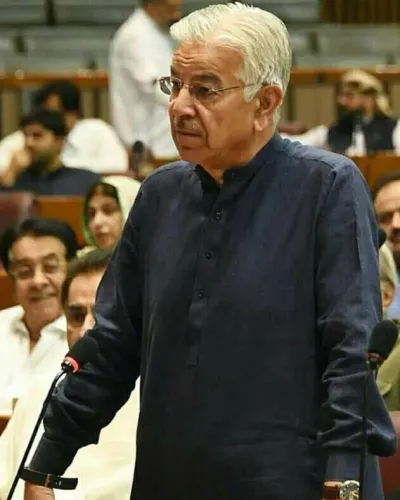
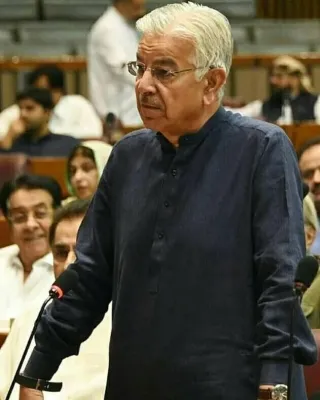
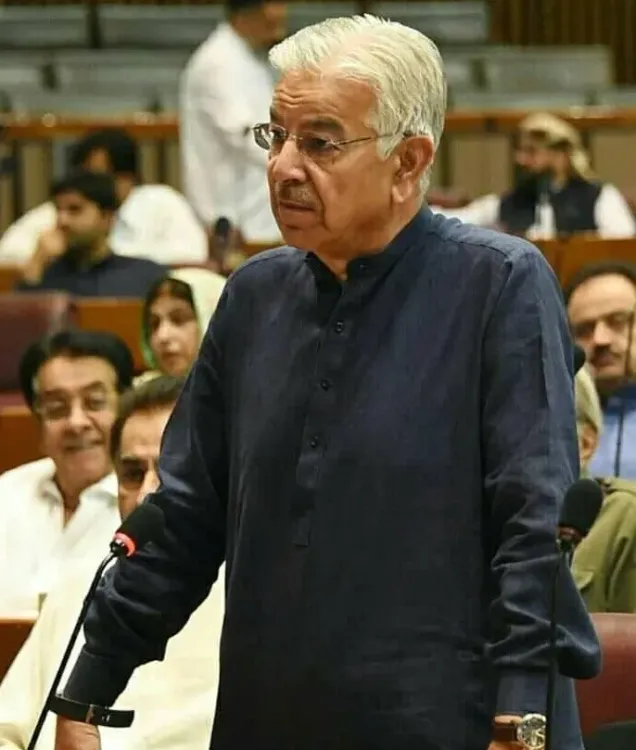
Islamabad, Oct 29 (NationPress) - On Wednesday, Pakistan's Defence Minister Khawaja Asif issued a strong warning to the Afghan Taliban, claiming that they could challenge Islamabad's resolve at their "own peril and doom," according to local media sources.
He emphasized that Pakistan does not need to deploy even "a fraction" of its full military capabilities to "totally obliterate" the Taliban and force them back into hiding, as reported by Pakistan-based Geo News.
In a statement posted on X, Minister Asif declared, "We have endured your treachery and mockery for too long, but that ends now. Any terrorist attack or suicide bombing within Pakistan will result in consequences that you won't forget. Feel free to test our resolve and capabilities, but do so at your own peril and doom."
"Rest assured, Pakistan can completely annihilate the Taliban regime without even utilizing a minuscule part of its arsenal, driving them back to the caves. If they wish, the sight of their defeat, reminiscent of their retreat at Tora Bora, would be one that the region's people would surely relish," he added.
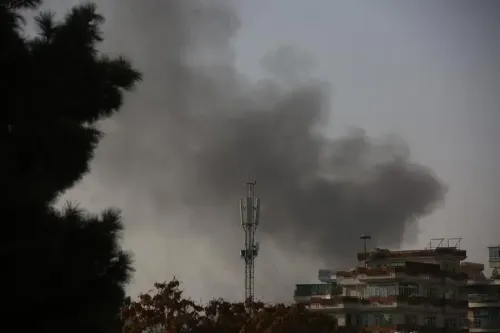
This warning to the Taliban follows a recent spike in tensions after Pakistani forces conducted cross-border operations into Afghanistan, coupled with the failure of discussions between delegations from both nations in Turkey on Monday.
On Tuesday, Afghanistan had also issued a serious warning to Pakistan, promising a strong reaction to any future military operations after negotiations in Islamabad collapsed following Pakistan's withdrawal.
Sources from Afghan media outlet Ariana News reported that Pakistan withdrew from the talks after making what the Afghan delegation deemed "unreasonable and unacceptable" demands, including a request for Kabul to rein in armed individuals allegedly operating against Pakistan—a demand that was rejected. They further stated that Afghan forces are prepared to retaliate should Pakistan conduct airstrikes on Afghan territory.
While reaffirming its commitment to dialogue, Kabul warned it would not tolerate any further cross-border assaults.
Reports indicated that what was intended to be a step toward regional stability instead revealed profound distrust, disunity, and conflicting agendas, particularly regarding US drone operations and cross-border terrorism.
"The immediate cause for the breakdown appears to have been Pakistan's unprecedented acknowledgment that it has a deal with the United States allowing drone operations from its territory. Pakistani officials reportedly insisted that this agreement is non-negotiable, triggering outrage from the Afghan side, which demanded guarantees that US drones would not violate Afghan airspace," leading Indian news network NDTV reported.
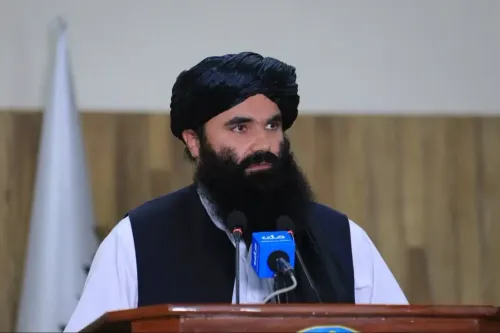
In an interview with Ariana News, Abdul Mateen Qani, spokesperson for the Afghan Ministry of Interior, stated that any attack would elicit a decisive response that would serve as a lesson for Pakistan and a warning to others.
“It’s true that we do not have nuclear weapons, but neither did NATO or the United States manage to conquer Afghanistan despite 20 years of conflict. The Afghan nation has never submitted to anyone,” he claimed.
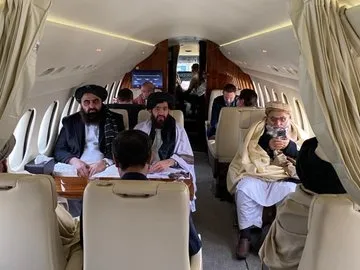
The three-day negotiations between Pakistan and Afghanistan in Istanbul failed to produce any breakthroughs, despite efforts at regional mediation. Mediators acknowledged that the two nations' positions remained vastly different due to discrepancies in expectations and priorities.
These differences impeded progress during the discussions, according to Khaama Press, citing a report from Geo News. The lack of alignment between the two countries has raised alarms about further escalations.
Point of View
I maintain that Pakistan must prioritize diplomatic dialogue while ensuring the nation’s security. The recent tensions highlight the intricate balance between defense and diplomacy that must be navigated carefully to avoid further escalation and foster stability in the region.
NationPress
19 Sept 2026
Frequently Asked Questions
What prompted Khawaja Asif's warning to the Taliban?
The warning was issued amid escalating tensions following cross-border operations by Pakistani forces and failed diplomatic talks with Afghanistan.
What was the nature of the discussions between Pakistan and Afghanistan?
The discussions aimed to address security concerns but broke down due to disagreements over demands made by Pakistan.