Kishan Reddy arrives in Odisha for Coal-to-Ammonium Nitrate project launch
Synopsis
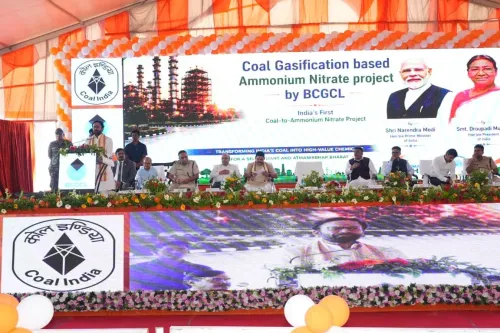
Union Coal and Mines Minister G. Kishan Reddy arrived in Jharsuguda, Odisha on 20 June 2026 to attend PM Narendra Modi's foundation stone laying of the Coal-to-Ammonium Nitrate Project at Lakhanpur, a key plank of India's coal gasification mission targeting 100 million tonnes by 2030.
Key Takeaways
Kishan Reddy arrived at Veer Surendra Sai Airport, Jharsuguda on 20 June 2026 for the Lakhanpur project ceremony.
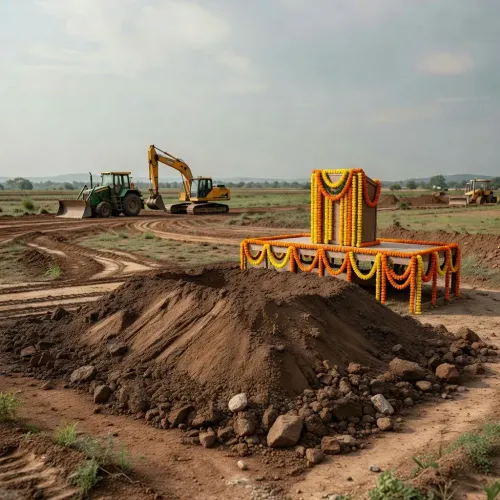
Prime Minister Narendra Modi is scheduled to lay the foundation stone of the Coal-to-Ammonium Nitrate Project at Lakhanpur, Odisha .
The project is positioned as a key initiative under India's Coal Gasification Mission , which targets gasification of 100 million tonnes of coal by 2030 .
Ammonium nitrate produced by the plant would serve the explosives and fertiliser industries, reducing import dependence.
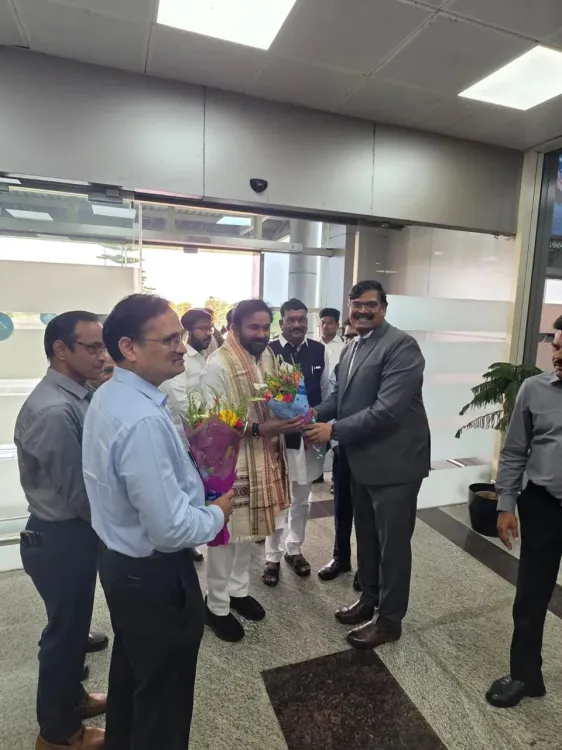
The minister was received by MoS Satish Dubey and Bargarh MP Pradeep Purohit , reflecting strong political and administrative mobilisation around the event.
The Lakhanpur project is part of a broader push to develop coal-to-chemicals capacity in Odisha, Jharkhand and Chhattisgarh .
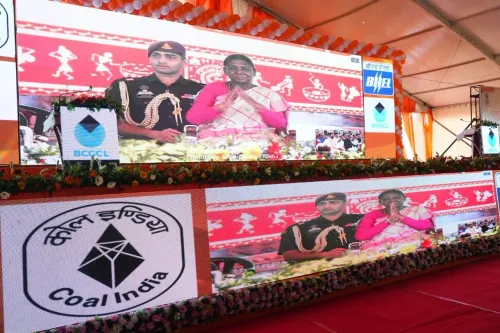
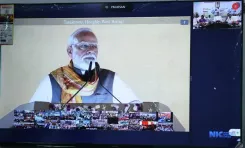
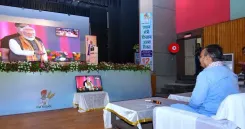
Union Coal and Mines Minister G. Kishan Reddy arrived at Veer Surendra Sai Airport, Jharsuguda, Odisha, on Saturday, 20 June 2026, to attend the foundation stone laying ceremony of the Coal-to-Ammonium Nitrate Project at Lakhanpur. The ceremony is to be presided over by Prime Minister Narendra Modi. Reddy was received at the airport by Minister of State for Coal and Mines Satish Dubey, Bargarh Member of Parliament Pradeep Purohit, and senior officials of the Ministry of Coal.
Context
Describing the project as 'a key initiative under India's coal gasification mission to strengthen energy security and promote industrial growth,' Reddy confirmed the purpose of his visit in a post on X. The Lakhanpur coal mining area in western Odisha has been identified as the site for this plant, which will convert domestic coal into ammonium nitrate — a compound critical to the explosives and fertiliser industries.
The event marks one of the more significant infrastructure milestones in the coal sector in recent years, with the Prime Minister personally laying the foundation stone, signalling the project's strategic priority for the central government.
Policy Backdrop
The Lakhanpur project sits within a broader policy architecture that the Ministry of Coal has been building since at least 2020, when it announced a national target to gasify 100 million tonnes of coal by 2030 for the production of chemicals and fertilisers. A 2019 NITI Aayog report on coal-to-chemicals had earlier outlined gasification pathways as a means of reducing India's import dependence on natural gas and ammonia.
Successive Union budgets and coal ministry roadmaps have prioritised gasification projects in Odisha, Jharkhand, and Chhattisgarh — states that hold large reserves of high-ash domestic coal that is less suited to direct thermal use. The Coal-to-Ammonium Nitrate route represents one of the more commercially viable downstream applications of gasification technology.
Stakeholders and Impact
The project is expected to have direct implications for coal mining regions in western Odisha, where industrial employment and value-addition have historically lagged behind extraction output. The explosives industry — a major consumer of ammonium nitrate in mining operations — and the fertiliser sector stand to benefit from domestically produced feedstock, reducing reliance on imports.
Local stakeholders in Bargarh and Jharsuguda districts, represented at the airport reception by MP Pradeep Purohit, are likely to watch the project's rollout timelines closely given its potential to generate downstream industrial activity in the region.
What's Next
With the foundation stone ceremony set to be laid by Prime Minister Modi, attention will now shift to the appointment of technology partners, the project's construction timeline, and financing arrangements for the Lakhanpur plant. The government's handling of this project is also likely to serve as a template for similar coal gasification announcements expected in other major coalfields across central and eastern India.
Observers will watch whether the Lakhanpur milestone accelerates private-sector interest in coal-to-chemicals investments, a segment the Ministry of Coal has been actively courting as part of its longer-term strategy to diversify coal's role in the Indian economy beyond power generation.
Point of View
Anchored by the Prime Minister's personal presence, is a deliberate signal that coal gasification is now a centrepiece of the government's industrial policy rather than a peripheral experiment. By choosing Odisha — a state with significant electoral and coal-reserve weight — for this launch, the BJP-led government is simultaneously advancing an energy-security narrative and reinforcing its development credentials in a politically competitive state. The involvement of both the Union Minister and the local MP at the airport reception underscores the event's dual function as policy milestone and political optics. If the Lakhanpur plant moves from foundation stone to commissioning on schedule, it could unlock a pipeline of similar coal-to-chemicals projects across the eastern coalfields, materially reshaping how India monetises its vast but high-ash coal reserves.
NationPress
20 Jun 2026
Frequently Asked Questions
What is the Coal-to-Ammonium Nitrate Project at Lakhanpur?
The Coal-to-Ammonium Nitrate Project at Lakhanpur, Odisha, is a central government initiative under India's Coal Gasification Mission that will convert domestic coal into ammonium nitrate for use in the explosives and fertiliser industries, reducing India's dependence on imported feedstock.
Who laid the foundation stone of the Lakhanpur coal project?
Prime Minister Narendra Modi was scheduled to lay the foundation stone of the Coal-to-Ammonium Nitrate Project at Lakhanpur, Odisha, with Union Coal and Mines Minister G. Kishan Reddy attending the ceremony on 20 June 2026.
What is India's coal gasification mission target?
India's Coal Gasification Mission, announced by the Ministry of Coal in 2020, set a national target to gasify 100 million tonnes of coal by 2030 for the production of chemicals, fertilisers, and fuels.
Why is Lakhanpur chosen for the Coal-to-Ammonium Nitrate Project?
Lakhanpur is a coal mining area in western Odisha with access to domestic coal reserves. Odisha, along with Jharkhand and Chhattisgarh, has been prioritised under coal ministry roadmaps for gasification projects due to its high-ash coal that is less suited to direct thermal power use.
Who is G. Kishan Reddy?
G. Kishan Reddy is India's Union Minister of Coal and Mines and also serves as the BJP's Telangana state president. He travelled to Jharsuguda, Odisha on 20 June 2026 to attend the foundation stone laying ceremony of the Lakhanpur coal gasification project.