Kishan Reddy: Cabinet clears PM-SSY floating solar scheme
Synopsis
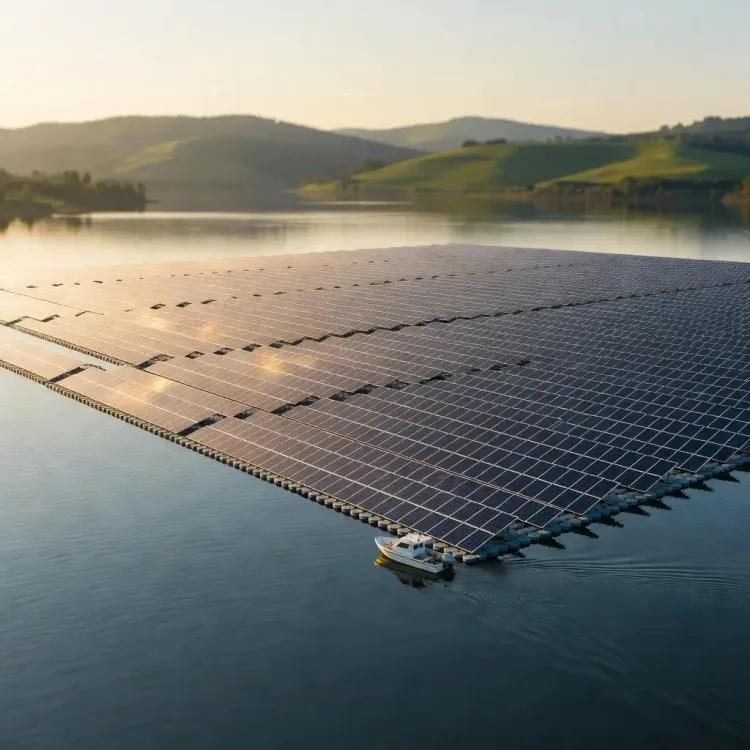
The Union Cabinet has approved the Pradhan Mantri Surya Sarovar Yojana (PM-SSY) with a ₹5,070 crore outlay to build 5,000 MW of floating solar capacity on India's reservoirs by FY 2030-31, cutting 10 million tonnes of CO₂ annually and creating 17,000 jobs.
Key Takeaways
The Union Cabinet approved Pradhan Mantri Surya Sarovar Yojana (PM-SSY) on July 31, 2026 .
Total financial outlay is ₹5,070 crore , targeting 5,000 MW of floating solar capacity on reservoirs and inland water bodies.
Projects run from FY 2026-27 to FY 2030-31 , with financial support extended to FY 2032-33 .
Scheme is projected to reduce approximately 10 million tonnes of CO₂ emissions annually .
Around 17,000 full-time equivalent jobs are expected to be generated across installation and manufacturing.
PM-SSY builds on earlier frameworks including the National Solar Mission (2010) and PM-KUSUM (2019) .
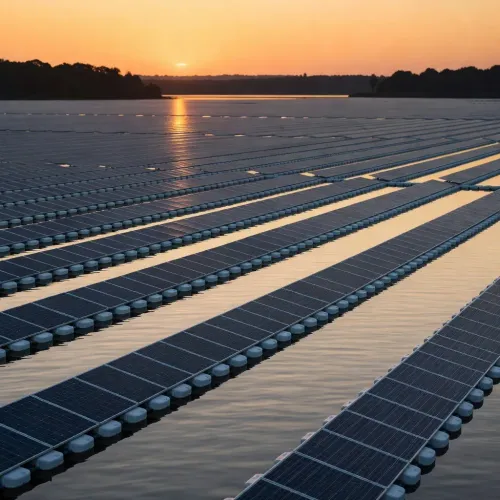
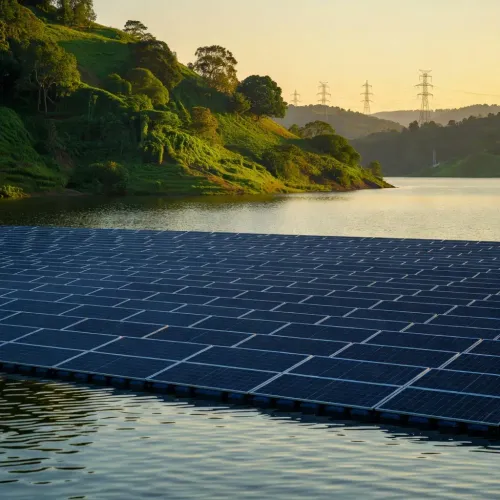
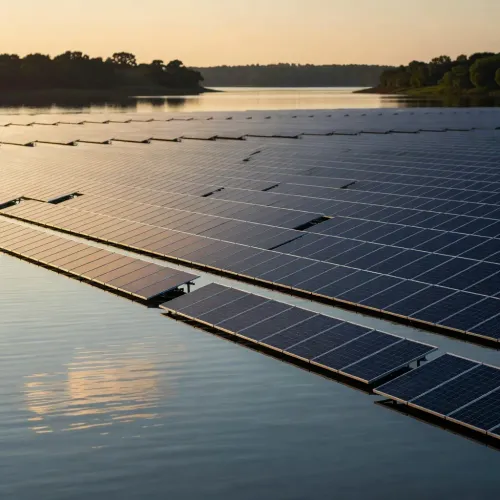
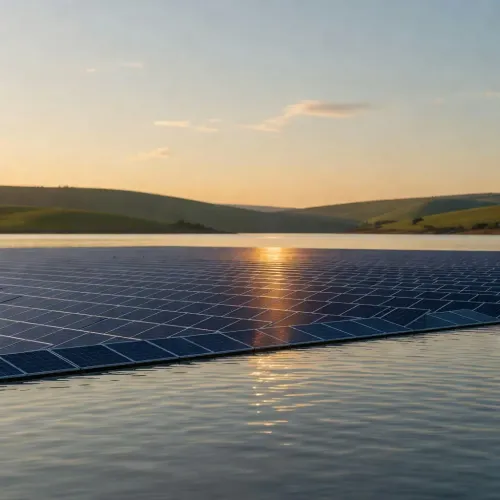
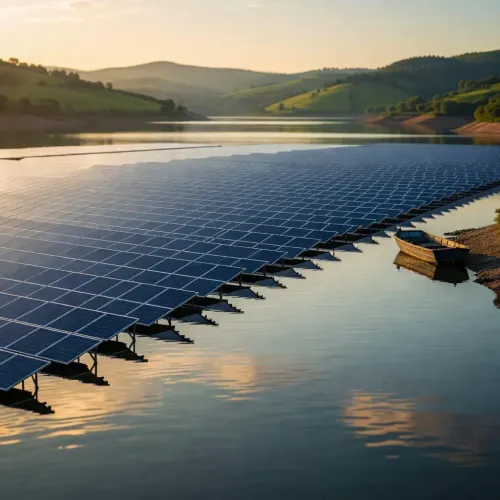
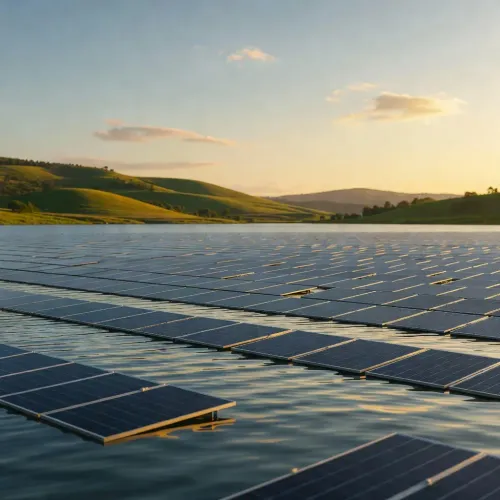
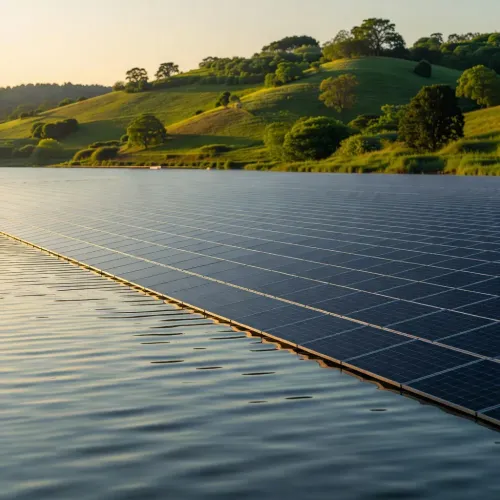
India's clean energy drive just got a significant push. Union Coal and Mines Minister G. Kishan Reddy announced on Friday, July 31, 2026 that the Union Cabinet, under Prime Minister Narendra Modi, has approved the Pradhan Mantri Surya Sarovar Yojana (PM-SSY) — a dedicated scheme to deploy floating solar power across India's reservoirs and inland water bodies.
The scheme carries a total outlay of ₹5,070 crore and targets 5,000 MW of floating solar capacity. Projects will be implemented between FY 2026-27 and FY 2030-31, with financial support extended through FY 2032-33.
Why floating solar — and why now
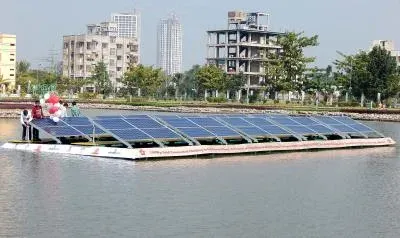
Floating solar is not a new idea in India, but it has never had a dedicated central scheme of this scale behind it. Since the mid-2010s, state utilities have run pilots on reservoirs — largely because floating installations sidestep the thorny land acquisition problem that has slowed ground-mounted solar projects across the country. Water bodies are typically government-owned, and panels placed on their surface also reduce evaporation, preserving a resource under growing climate stress. The National Solar Mission, launched in 2010, and the PM-KUSUM scheme, approved in 2019, laid the policy groundwork for decentralised and water-body solar. PM-SSY is, in effect, the next logical step — scaling what worked in pilots into a nationally-backed programme with viability gap funding and manufacturing incentives built in.5,000 MW, 10 million tonnes of CO₂, 17,000 jobs
The government's projections are specific. The scheme is expected to cut around 10 million tonnes of CO₂ emissions annually once the capacity is fully operational. It is also projected to generate approximately 17,000 full-time equivalent employment opportunities — spanning installation, operations, and the domestic manufacturing supply chain. That last point matters. A consistent thread in India's recent solar policy has been reducing dependence on imported panels — particularly from China — by building domestic manufacturing capacity across the renewable energy value chain. PM-SSY is designed to reinforce that push.The coal minister's clean energy announcement
There is a pointed irony in the fact that the minister amplifying this announcement holds the coal portfolio. India remains one of the world's largest coal consumers, and the energy transition is not a straight line. But successive cabinet decisions — from production-linked incentives for solar modules to this latest floating solar scheme — signal that the government is building the renewable infrastructure in parallel, even as coal output continues to serve baseload demand. PM-SSY's alignment with the Viksit Bharat vision and India's 500 GW non-fossil capacity target by 2030 — a goal Modi committed to internationally — makes this approval a milestone on that longer road. The next test is execution: state-wise tender timelines, guidelines for developers, and how quickly the FY 2026-27 first phase gets off the ground. A scheme approved is not a megawatt generated — but this one arrives with a deadline, a budget, and a political signal that the centre is serious.Point of View
Time-bound national programme. It fits a deliberate pattern of the Modi government using scheme architecture to de-risk private investment in renewables while simultaneously pushing domestic manufacturing. The coal-to-renewables transition is politically sensitive, and the fact that the Coal Minister is the messenger underlines the government's effort to frame the two tracks as complementary rather than contradictory. Whether the 5,000 MW target is met on schedule will depend heavily on how quickly states issue tenders and whether domestic panel supply keeps pace — the real policy test begins in FY 2026-27.
NationPress
31 Jul 2026
Frequently Asked Questions
What is Pradhan Mantri Surya Sarovar Yojana (PM-SSY)?
PM-SSY is a central government scheme approved by the Union Cabinet in July 2026 to develop 5,000 MW of floating solar power capacity on India's reservoirs and inland water bodies, backed by a ₹5,070 crore outlay.
What is the budget for PM-SSY?
The total financial outlay for PM-SSY is ₹5,070 crore, with project implementation from FY 2026-27 to FY 2030-31 and financial support continuing through FY 2032-33.
How many jobs will PM-SSY create?
The scheme is projected to generate approximately 17,000 full-time equivalent employment opportunities across installation, operations, and domestic manufacturing of solar equipment.
How much CO₂ will PM-SSY reduce?
Once fully operational, PM-SSY is expected to cut around 10 million tonnes of CO₂ emissions annually.
Why is floating solar being promoted in India?
Floating solar avoids land acquisition challenges that slow ground-mounted projects, uses government-owned water bodies, reduces water evaporation, and supports India's 500 GW non-fossil energy target by 2030.