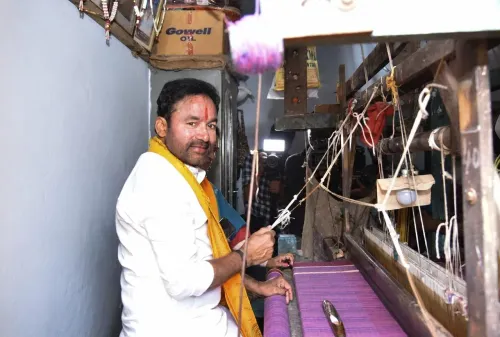
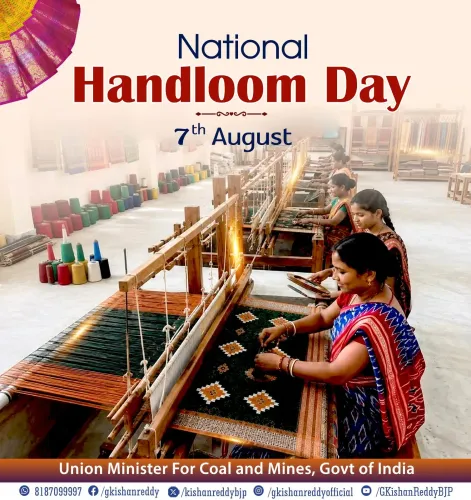
Kishan Reddy flags PM MITRA Warangal park on Handloom Day
Synopsis
Union Minister G. Kishan Reddy marked National Handloom Day by highlighting six central schemes — including PM MITRA, PLI, and NHDP — and spotlighting the Warangal Mega Textile Park as a growth engine for Telangana's weavers and cotton farmers.
Key Takeaways
National Handloom Day is observed on 7 August every year since 2015 , commemorating the Swadeshi Movement of 1905 .
Minister Kishan Reddy cited six schemes: Make in India , 5F Vision , PM MITRA Parks , PLI Scheme , NHDP , and direct weaver support.
The PM MITRA Parks scheme was approved in 2021 with a Cabinet outlay of Rs 4,445 crore for seven integrated textile parks.
Warangal in Telangana is among the cities identified for a PM MITRA Mega Textile Park , linking local cotton farmers to export-ready manufacturing.
The dual-track policy combines heritage weaver support through NHDP with industrial-scale PLI incentives for man-made fibres.
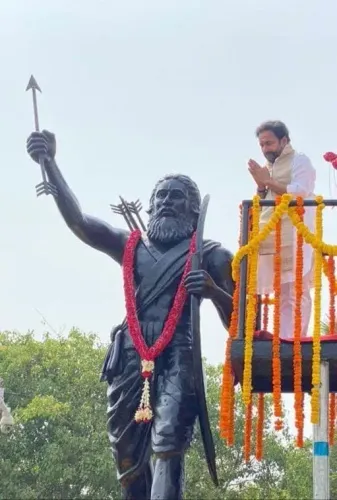
Reddy, as BJP Telangana state president , framed the Warangal park as a direct employment and competitiveness opportunity for the state.
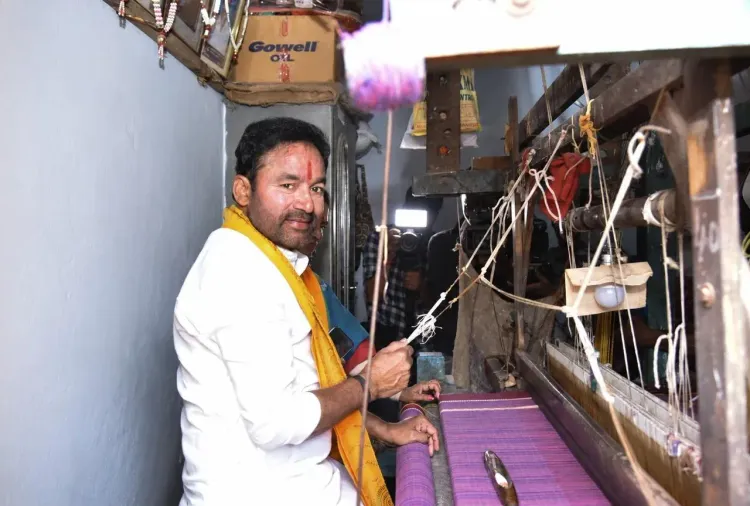
Every August 7, India pauses to honour the millions of weavers whose fingers carry centuries of craft — and this year, Union Coal and Mines Minister G. Kishan Reddy used National Handloom Day to spotlight both the cultural weight of that tradition and the industrial machinery the government is building around it, from Warangal to the world.
A day rooted in 1905, revived in 2015
National Handloom Day has been observed on 7 August every year since 2015, a date chosen to commemorate the Swadeshi Movement launched on the same day in 1905. The choice was deliberate: handloom is not merely an industry but a statement of self-reliance. Reddy's post echoed that framing, calling on citizens to 'choose handloom and take India's timeless craftsmanship to the world.'
Six schemes, one integrated push
The minister listed six policy pillars underpinning the government's textile strategy: Make in India, the 5F Vision (Farm to Fibre to Factory to Fashion to Foreign), PM MITRA Parks, the Production Linked Incentive (PLI) Scheme, the National Handloom Development Programme (NHDP), and direct weaver support covering infrastructure, raw materials, credit, design, and market access. Together, they represent a deliberate attempt to stitch heritage preservation to industrial competitiveness — not treat them as opposites.
Make in India, launched in September 2014, placed textiles among its priority manufacturing sectors. The PM MITRA Parks scheme — approved by the Cabinet in 2021 with an outlay of Rs 4,445 crore for seven integrated parks — is the infrastructure backbone of that ambition, designed to consolidate spinning, weaving, processing, and garmenting under one roof to reduce logistics costs and improve global price competitiveness.
Warangal's textile moment
For Telangana, the most concrete hook in Reddy's post is the PM MITRA Mega Textile Park earmarked for Warangal — a city with an existing handloom cluster and a cotton-farming hinterland. Reddy, who also serves as BJP Telangana state president, tied the park directly to opportunities for the state's cotton farmers, framing it as a value-chain play: grow the cotton, process it locally, export the finished product. The operational status of the Warangal park is still unfolding, but its selection signals the government's intent to anchor industrial textile capacity in states with raw-material depth.
Weavers at the centre, exports at the horizon
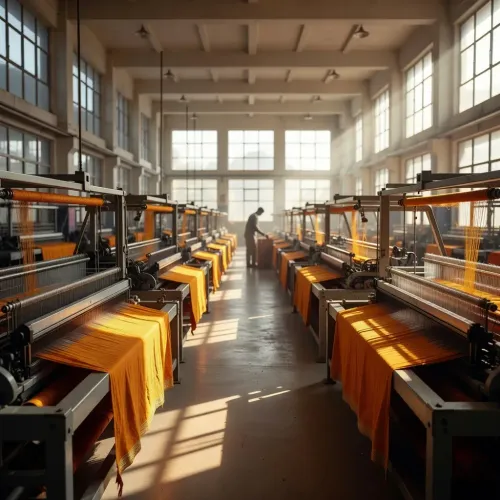
The NHDP remains the primary channel for weaver-level support — covering yarn subsidies, cluster development, and design centres — while the PLI Scheme targets the man-made fibre segment to complement handloom's natural-fibre strengths. The dual-track approach reflects a broader Atmanirbhar Bharat logic: build domestic value addition in a sector that employs tens of millions, then push the output into global markets. Reddy's call to 'take India's timeless craftsmanship to the world' is, in that sense, also an export pitch.
The loom has always been political in India. The question now is whether the infrastructure being built around it turns policy intent into paycheques for the weavers who keep it running.
Point of View
Multi-layered strategy rather than isolated interventions. Longer term, the success of the 5F Vision and PM MITRA model will be measured by whether value actually accrues to weavers and farmers, or primarily to large integrated manufacturers. The Warangal park's employment and income outcomes will become a key data point in that assessment.
NationPress
7 Aug 2026
Frequently Asked Questions
What is National Handloom Day and why is it on 7 August?
National Handloom Day is observed on 7 August every year since 2015 to honour India's handloom weavers. The date commemorates the launch of the Swadeshi Movement on 7 August 1905 , which promoted indigenous textiles as a symbol of self-reliance.
What is the PM MITRA Textile Park in Warangal?
Warangal in Telangana is one of the cities selected under the PM MITRA (Mega Integrated Textile Region and Apparel) Parks scheme, approved by the Cabinet in 2021 with an outlay of Rs 4,445 crore for seven parks nationwide. The park aims to consolidate the entire textile value chain — from spinning to garmenting — under one location to boost exports and employment.
What is the 5F Vision in India's textile policy?
The 5F Vision stands for Farm to Fibre to Factory to Fashion to Foreign — a supply-chain framework that aims to link Indian cotton farmers directly to global fashion markets by building domestic processing and manufacturing capacity at each stage of the value chain.
How does the PLI Scheme help India's textile sector?
The Production Linked Incentive (PLI) Scheme for textiles provides financial incentives to manufacturers of man-made fibre apparel and technical textiles, encouraging investment and domestic production to complement India's traditional handloom and cotton strengths.
What support does the National Handloom Development Programme provide to weavers?
The National Handloom Development Programme (NHDP) is an ongoing central scheme that supports weavers through yarn subsidies, cluster infrastructure, design centres, credit access, and marketing assistance, making it the primary government channel for direct weaver-level support.