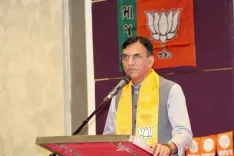
Kishan Reddy hails first petrol tanker train to Kashmir via USBRL
Synopsis
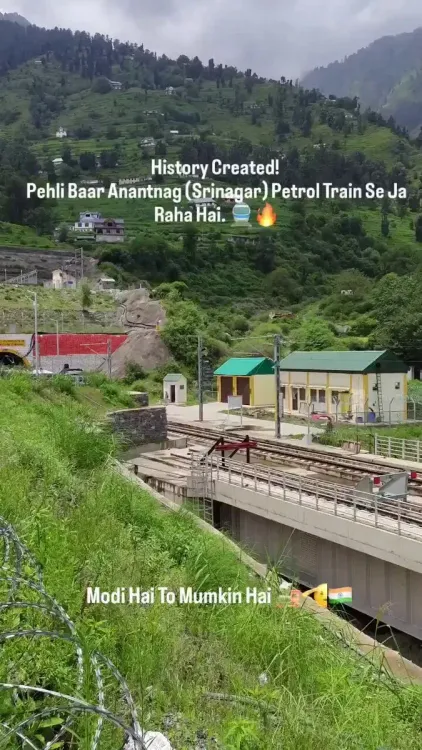
A petrol tanker train successfully completed a trial run to the Kashmir Valley via the USBRL on August 8, 2026, marking a shift from symbolic rail connectivity to operational freight capability and reducing the region's reliance on road-based fuel supply.
Key Takeaways
The first petrol tanker train to the Kashmir Valley completed a successful trial run via the USBRL route, announced on August 8, 2026 .
The 272-km USBRL was declared a national project in 2002 and connects Kashmir to India's national rail network through Himalayan terrain.
The trial run marks a shift from passenger connectivity to operational freight capability, specifically for petroleum products.
Kashmir has historically relied on road convoys for fuel, leaving supply vulnerable to seasonal highway closures and landslides.
The next step is transitioning from trial runs to scheduled freight services to structurally de-risk the valley's fuel supply chain.
Kishan Reddy framed the milestone within PM Narendra Modi 's broader 'Viksit Bharat' infrastructure agenda.
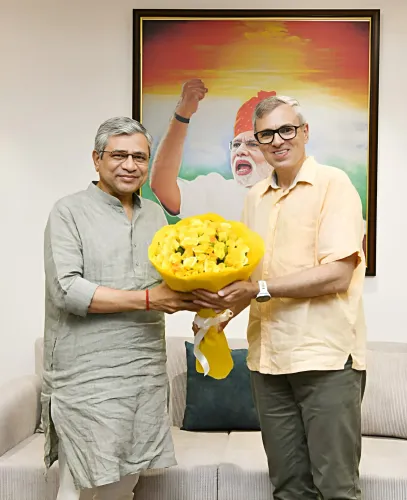
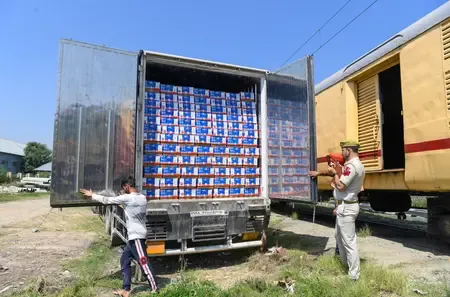
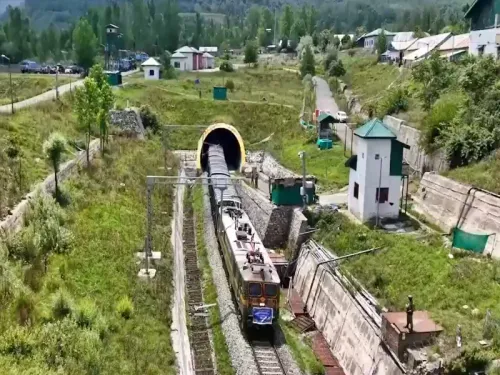
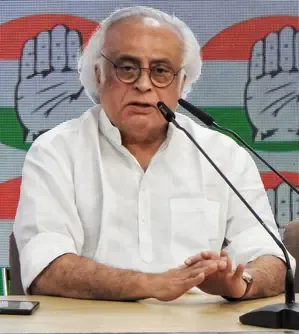
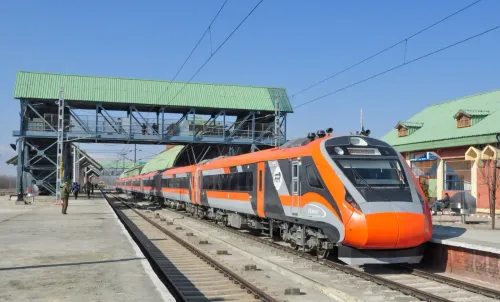
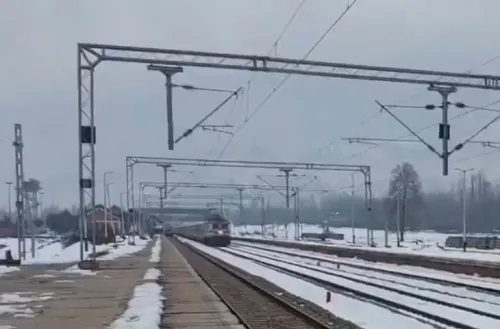
A freight train carrying petrol rolled into the Kashmir Valley for the first time via the Udhampur–Srinagar–Baramulla Rail Link (USBRL), completing a successful trial run that redraws the region's fuel supply map. Union Coal and Mines Minister G. Kishan Reddy marked the milestone on Saturday, August 8, 2026, calling it a major step toward seamless connectivity and energy security for a valley long dependent on road convoys.
Why a petrol train to Kashmir is a bigger deal than it sounds
For decades, fuel reached the Kashmir Valley almost exclusively by road — a supply chain hostage to snowbound passes, landslides, and seasonal closures on the Jammu–Srinagar National Highway. A single blocked highway could trigger fuel shortages across the valley within days. The USBRL's freight capability changes that calculus entirely: rail moves higher volumes, on a more predictable schedule, through tunnels that bypass the weather-vulnerable mountain passes.
The 272-kilometre USBRL was declared a national project in 2002, a designation that unlocked priority funding across successive governments. Its engineering ambition is staggering — the route cuts through the Himalayas via some of India's longest rail tunnels and highest bridges, including the Chenab Rail Bridge, the world's highest railway arch bridge. Getting a passenger train to Srinagar was the headline; getting a petrol tanker there is the operational proof.
From passenger milestone to freight reality
The trial run of the first petrol tanker train signals a shift from symbolic connectivity to functional logistics. Indian Railways and fuel distributors can now begin planning scheduled freight services for petroleum products — reducing the valley's vulnerability to road disruptions and lowering long-term supply costs. Residents and businesses in Srinagar, Baramulla, and surrounding districts stand to benefit most directly.
Minister Reddy framed the milestone within Prime Minister Narendra Modi's broader 'Viksit Bharat' infrastructure push, noting that transformative projects are 'enhancing connectivity, improving resilience, and accelerating the journey towards a stronger India.' The language is political, but the steel and diesel are real.
What comes next on the USBRL
The transition from trial run to regular scheduled freight operations is the immediate next test. Remaining USBRL sections and the integration of freight timetables alongside passenger services will determine how quickly the valley's supply chains can be structurally de-risked. A successful trial is the threshold — not the finish line.
Point of View
Not merely a political talking point — it directly addresses a structural vulnerability in Kashmir's supply chain that has persisted for generations. For the BJP, amplifying this achievement serves a dual purpose: it reinforces the 'Viksit Bharat' infrastructure narrative ahead of electoral cycles and signals deepening integration of Jammu and Kashmir into the national mainstream. The broader arc here is strategic: successive governments have treated USBRL as a national-security infrastructure project, and freight capability — especially for fuel — is the operational payoff that justifies decades of investment. The real test will be whether trial runs convert to reliable scheduled services before the next winter highway closure.
NationPress
8 Aug 2026
Frequently Asked Questions
What is the USBRL and why is it important for Kashmir?
The Udhampur–Srinagar–Baramulla Rail Link (USBRL) is a 272-kilometre railway project connecting the Kashmir Valley to India's national rail network through Himalayan tunnels and bridges. It is critical because it provides an all-weather alternative to road routes that are frequently blocked by snow and landslides, ensuring year-round connectivity for passengers and freight.
What happened with the petrol tanker train to Kashmir in August 2026?
A successful trial run of the first petrol tanker train to the Kashmir Valley via the USBRL route was completed around August 8, 2026. Union Minister G. Kishan Reddy announced the milestone, calling it a major step toward ensuring seamless fuel supply to the region.
How does rail freight change fuel supply to the Kashmir Valley?
Previously, fuel reached Kashmir almost entirely by road, making supply vulnerable to highway closures caused by weather or other disruptions. Rail freight via USBRL allows higher volumes of fuel to be transported on a more predictable schedule through tunnels, significantly reducing the risk of shortages.
When was the USBRL approved and who built it?
The USBRL was approved as a national project in 2002 and has been constructed by Indian Railways in phases across successive governments, given its complex engineering requirements including high-altitude tunnels and bridges such as the Chenab Rail Bridge.
What is 'Viksit Bharat' and how does USBRL relate to it?
'Viksit Bharat' — meaning 'Developed India' — is the overarching vision articulated by Prime Minister Narendra Modi's government for India's development by 2047. Infrastructure projects like USBRL are cited as examples of this vision, connecting remote and strategically important regions to the national mainstream.