Kishan Reddy highlights PM MITRA, SITP investments in Telangana
Synopsis
Union Minister G. Kishan Reddy has detailed central investments in Telangana's textile sector: ₹3,862 crore at the Warangal PM MITRA park projecting 24,500 jobs, and SITP assistance for Pochampally and Ranga Reddy parks under the Modi government's textile push.
Key Takeaways
The Warangal PM MITRA Textile Park has received ₹3,862 crore in investments with ₹8,800 crore in additional investment interest expressed.
The Centre has sanctioned ₹30 crore for infrastructure at the Warangal park, which is projected to create approximately 24,500 jobs .
The Pochampally Handloom Park Limited in Yadadri Bhuvanagiri district has received ₹13.60 crore in central assistance under SITP.
The White Gold Textile Park in Ranga Reddy district has received ₹32.48 crore under the same SITP scheme.
PM MITRA was announced in Union Budget 2021-22 with an outlay of over ₹4,400 crore for seven integrated textile parks nationwide.
SITP, launched in 2005 , has supported over 50 parks across India, including two active projects in Telangana.
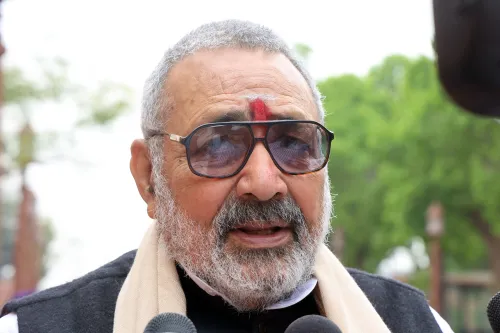
Thousands of weavers in Telangana are at the centre of a major central push — and Union Coal and Mines Minister G. Kishan Reddy laid out the numbers on Thursday, 30 July 2026, detailing how two flagship textile schemes are reshaping the state's fabric economy from Warangal to Yadadri Bhuvanagiri.
Warangal's textile park: ₹3,862 crore in and counting
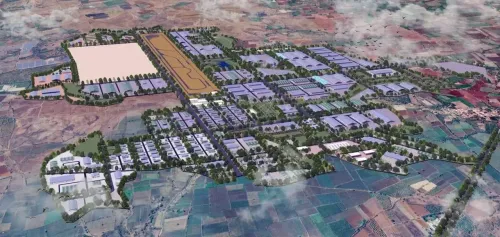
The Warangal PM MITRA Textile Park — one of seven such parks sanctioned under the Pradhan Mantri Mega Integrated Textile Region and Apparel (PM MITRA) scheme — has already drawn ₹3,862 crore in investments, with additional investment interest touching ₹8,800 crore. The Centre has committed ₹30 crore for core infrastructure. When fully operational, the park is projected to generate approximately 24,500 jobs.
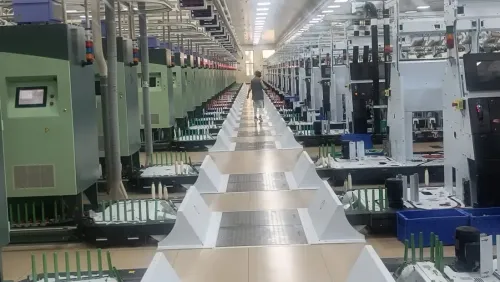
PM MITRA was announced in the Union Budget 2021-22 with an outlay of over ₹4,400 crore to build integrated value chains — spinning, weaving, processing, dyeing, and garmenting — under one roof. Warangal, a historic handloom centre, was among the sites selected precisely because it already carries the industrial and artisanal DNA a mega-park needs to hit the ground running.
Pochampally and Ranga Reddy: SITP's quiet but steady hand
Running parallel is the older Scheme for Integrated Textile Parks (SITP), launched in 2005 and credited with supporting more than 50 parks across India. In Telangana, two clusters are benefiting. The Pochampally Handloom Park Limited in Yadadri Bhuvanagiri district — home to the globally recognised ikat saree tradition — has received central assistance of ₹13.60 crore. The White Gold Textile Park in Ranga Reddy district has received ₹32.48 crore.
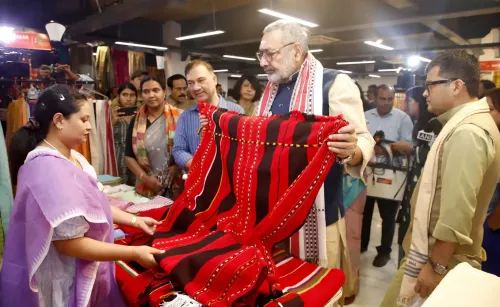
Pochampally's inclusion is significant. The cluster's double-ikat weave carries a Geographical Indication tag, and its weavers — many working on pit looms in home workshops — have long needed modern infrastructure to compete in export markets without abandoning traditional technique. SITP funding targets exactly that gap: shared processing facilities, testing labs, and logistics support that individual weavers cannot finance alone.
Kishan Reddy's political stake in Telangana's textile story
As BJP's Telangana state president, Kishan Reddy has a clear political interest in amplifying central investment in the state — but the underlying numbers represent real policy commitments. His post frames the Modi government's outreach to weavers as part of a broader employment and welfare agenda, connecting two schemes that span more than two decades of central textile policy.
Successive governments have used dedicated park schemes to modernise handloom clusters, attract private capital, and grow India's textile export share. Telangana fits that pattern: concentrated weaving districts, a skilled artisan base, and proximity to southern ports. The question now is execution — whether infrastructure tendering at Warangal moves at the pace the investment interest demands, and whether utilisation certificates from the SITP parks translate into weavers actually earning more.
With ₹8,800 crore in expressed investment interest sitting above ₹3,862 crore already committed, the gap between intent and capital on the ground is the number to watch.
Point of View
Multi-district footprint. The ₹8,800 crore investment interest figure is the headline number, but the real test is whether Warangal's infrastructure tendering and Pochampally's artisan integration move at pace — or whether the gap between announced intent and on-ground delivery becomes a political liability. For the broader Make in India textile push, Telangana is a bellwether: a state with genuine weaving heritage and competitive pressure from established hubs like Gujarat and Tamil Nadu.
NationPress
30 Jul 2026
Frequently Asked Questions
What is the PM MITRA scheme and how does it benefit Telangana?
PM MITRA (Pradhan Mantri Mega Integrated Textile Region and Apparel) is a central scheme announced in Union Budget 2021-22 to set up seven integrated textile parks across India with an outlay of over ₹4,400 crore. Telangana's Warangal was selected as one of the seven sites; the park has so far attracted ₹3,862 crore in investments and is projected to create around 24,500 jobs.
What is the Scheme for Integrated Textile Parks (SITP)?
SITP is a Ministry of Textiles programme launched in 2005 to provide central financial assistance for creating modern textile infrastructure and parks. It has supported over 50 parks nationwide. In Telangana, SITP is funding the Pochampally Handloom Park (₹13.60 crore) and the White Gold Textile Park in Ranga Reddy (₹32.48 crore).
How many jobs will the Warangal PM MITRA park create?
According to Union Minister G. Kishan Reddy's post, the Warangal PM MITRA Textile Park is projected to create approximately 24,500 jobs once fully operational.
Why is Pochampally significant for India's handloom sector?
Pochampally in Yadadri Bhuvanagiri district is famous for its double-ikat weave sarees, which carry a Geographical Indication (GI) tag. The cluster's traditional artisans are being supported through SITP funding to access modern shared infrastructure without abandoning their heritage weaving techniques.
What is G. Kishan Reddy's role in Telangana politics?
G. Kishan Reddy serves as Union Minister of Coal and Mines in the Modi government and is also the BJP's Telangana state president, making him the party's senior-most face in the state for both central policy outreach and electoral mobilisation.