Kishan Reddy Highlights Railway Coach Exports Under Make in India
Synopsis
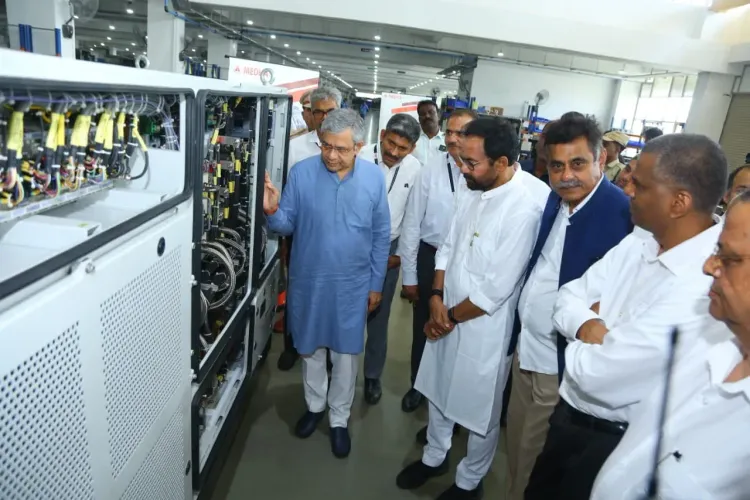
Union Minister G. Kishan Reddy spotlighted an Indian company exporting railway coaches, wagons, and infrastructure products on 11 July 2026, calling it evidence of India's growing manufacturing prowess under the Make in India initiative.
Key Takeaways
Union Coal and Mines Minister G.
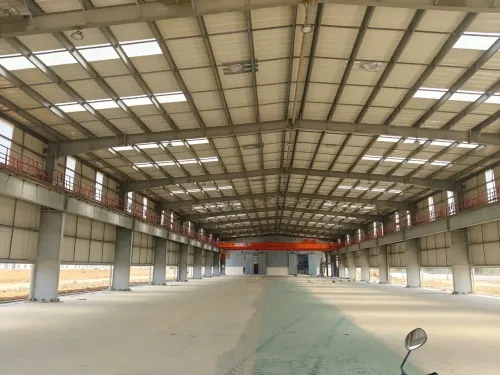
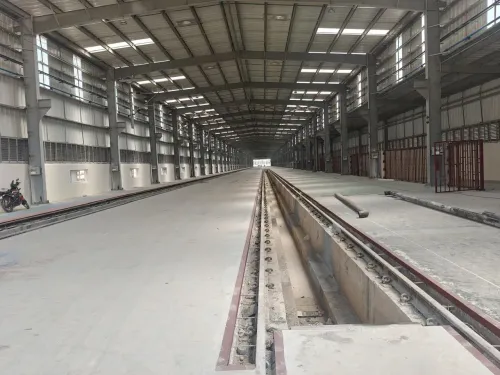
Kishan Reddy highlighted an Indian firm manufacturing and exporting railway coaches, wagons, and infrastructure products on 11 July 2026 .
The minister cited the company as a showcase of India's expanding capabilities under the Make in India initiative, launched in September 2014 .
India's Atmanirbhar Bharat framework has combined self-reliance targets with export ambitions in the railway rolling stock segment.
Indian Railways serves as the primary domestic procurer, providing manufacturers the scale needed to compete in international markets.
Potential new export contracts and updates to Production Linked Incentive schemes in the rail sector are being closely watched.
Union Coal and Mines Minister G. Kishan Reddy on Saturday, 11 July 2026 drew attention to an Indian company that manufactures and exports railway coaches, wagons, and related infrastructure products, citing it as evidence of India's expanding manufacturing capabilities under the Make in India initiative.
Context
The minister's post, shared in the form of a reply on X, highlighted a domestic firm involved in the production and international export of railway rolling stock and infrastructure equipment. Kishan Reddy framed the company's output as a concrete demonstration of the Make in India programme delivering results in a strategically important sector.
Railway coaches, wagons, and associated infrastructure products represent a high-value segment of India's industrial base. The ability to export such goods signals a maturation of domestic manufacturing capacity that goes beyond import substitution.
Policy Backdrop
The Make in India initiative was launched in September 2014 with the goal of positioning India as a global manufacturing hub, encouraging both domestic production and outbound exports across sectors. Over the past decade, the railway equipment segment has become one of its visible success stories.
India's broader Atmanirbhar Bharat framework has reinforced these goals by integrating self-reliance targets with export ambitions, particularly in railway rolling stock. The government has pursued policies to reduce dependence on imported coaches and wagons while simultaneously building capacity to supply international markets.
Production Linked Incentive schemes have been extended to several manufacturing verticals, and the rail equipment sector has been identified as a candidate for further export-oriented support. The convergence of domestic procurement by Indian Railways and growing export orders has created a reinforcing cycle for manufacturers in this space.
Stakeholders and Impact
Railway equipment manufacturers stand to benefit most directly from the visibility that ministerial endorsements and policy continuity provide. Export-oriented firms in this segment gain credibility in international tenders when their products are recognised at the level of Union Ministers.
Indian Railways, as the primary domestic procurer of coaches and wagons, anchors the demand side of this ecosystem. A healthy domestic order book enables manufacturers to achieve the scale and quality benchmarks required to compete in export markets across Asia, Africa, and beyond.
Workers and ancillary suppliers in the railway manufacturing supply chain also stand to gain as export volumes expand, with multiplier effects on employment in the engineering and fabrication sectors.
What's Next
Observers will watch for announcements of new export contracts or government-to-government agreements that could channel Indian-made railway equipment to partner countries. Updates to Production Linked Incentive schemes covering the rail sector may also be forthcoming as the government seeks to consolidate gains.
Kishan Reddy's public amplification of this company's work suggests the government is keen to spotlight manufacturing success stories as proof points for the Make in India decade. Further such endorsements could accelerate investor and buyer interest in India's railway equipment export pipeline.
Point of View
The minister reinforces the narrative that the programme has moved beyond sloganeering into measurable export outcomes. The railway sector is a particularly potent symbol here — historically reliant on imports, it is now generating foreign exchange, which strengthens the Atmanirbhar Bharat argument ahead of potential policy reviews. The post also signals that ministers beyond the rail portfolio are being mobilised to build a whole-of-government chorus around manufacturing milestones.
NationPress
11 Jul 2026
Frequently Asked Questions
What did Kishan Reddy say about Make in India and railways?
On 11 July 2026, Union Minister G. Kishan Reddy highlighted that an Indian company manufactures and exports railway coaches, wagons, and infrastructure products, calling it evidence of India's growing manufacturing capabilities under the Make in India initiative.
What is the Make in India initiative?
Make in India is a flagship government programme launched in September 2014 to promote domestic manufacturing, attract investment, and position India as a global manufacturing hub capable of exporting across sectors including railway equipment.
Does India export railway coaches and wagons?
Yes. Indian manufacturers produce and export railway coaches, wagons, and related infrastructure products to international markets, a trend that has grown under the Make in India and Atmanirbhar Bharat policy frameworks.
What is Atmanirbhar Bharat's role in railway manufacturing?
Atmanirbhar Bharat reinforces Make in India by targeting self-reliance in key sectors, including railway rolling stock, with the goal of reducing import dependence and simultaneously expanding India's export footprint in railway equipment.
Who is G. Kishan Reddy?
G. Kishan Reddy is India's Union Minister of Coal and Mines and the BJP's Telangana state president. He is a senior BJP leader who has held multiple Union Cabinet portfolios.