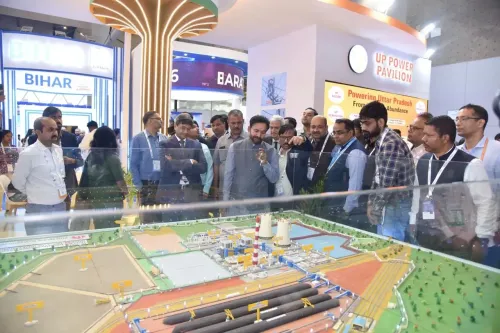
Kishan Reddy Pitches Coal Gasification as Business Opportunity
Synopsis
Union Coal Minister G. Kishan Reddy has positioned Hyderabad as the nerve centre of India's coal gasification mission, urging industry to treat it as a business and nation-building opportunity while opening a Draft RFP for stakeholder consultation.
Key Takeaways
Kishan Reddy urged industry to view coal gasification as a business, technology and nation-building opportunity.
A Draft RFP on coal gasification has been placed in the public domain for stakeholder suggestions.
Hyderabad has been designated 'ground zero' of India's coal gasification journey owing to its R&D and industrial ecosystem.
India's coal gasification target stands at 100 million tonnes by 2030 , announced in 2020 to cut import dependence.
The initiative aligns with Atmanirbhar Bharat , aiming to produce syngas, fertilisers and petrochemicals domestically.
Final RFP publication and pilot project selection are the next critical milestones to watch.
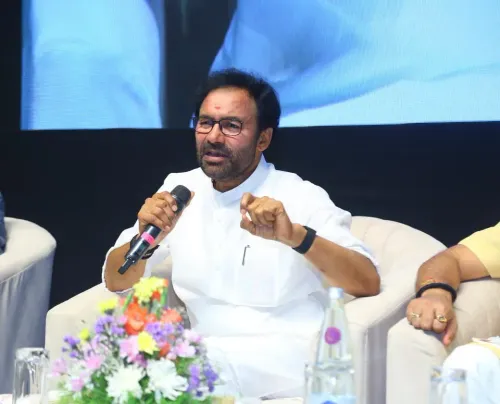
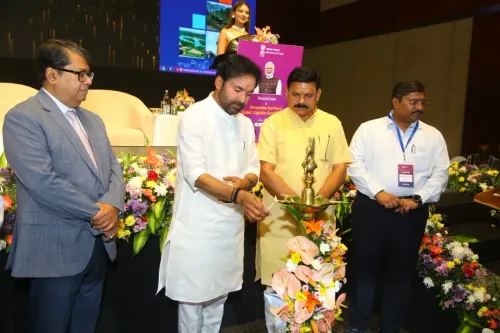
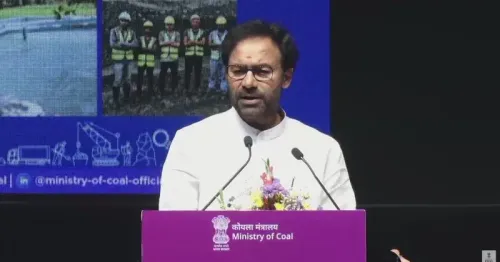
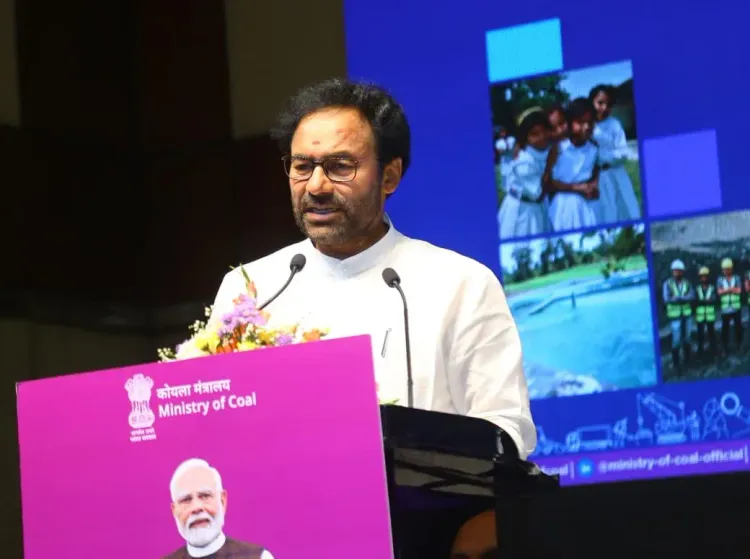
Union Coal and Mines Minister G. Kishan Reddy on Thursday, June 11, 2026, urged industry partners to treat coal gasification as a major business, technology and nation-building opportunity, affirming that Hyderabad is the 'ground zero' of India's coal gasification journey.
Context
Addressing industry stakeholders, the Minister called on participants to engage with the coal gasification mission 'with confidence, ambition and a long-term vision.' He underlined that the initiative is not merely a policy directive but a convergence of economic, technological and strategic imperatives for the country.
Kishan Reddy also disclosed that a Draft Request for Proposal (RFP) on coal gasification has been placed in the public domain, and that the Ministry of Coal is actively soliciting suggestions from stakeholders to 'strengthen and refine the framework.' This consultation phase signals that the policy architecture is still being shaped with industry input.
Policy Backdrop
India's coal gasification push traces back to 2020, when the government set an ambitious target of gasifying 100 million tonnes of coal by 2030 to reduce dependence on imported oil, gas and petrochemicals. The programme sits within the broader Atmanirbhar Bharat framework, which aims to substitute imports with domestically produced syngas, fertilisers and chemicals derived from coal.
The approach is designed to pair continued coal utilisation — India's most abundant fossil fuel — with technology upgrades intended to lower emissions intensity per unit of output. By converting coal into syngas rather than burning it directly, the process opens downstream value chains in chemicals and fertiliser manufacturing that the government views as strategic industries.
Hyderabad's Role
Hyderabad, the capital of Telangana, has been explicitly positioned by the Minister as the anchor city for this transformation. The city hosts institutions such as the Indian Institute of Chemical Technology (IICT), alongside a dense cluster of technology enterprises and advanced manufacturing units that collectively form an ecosystem suited to early-stage demonstration projects and supply-chain development.
Kishan Reddy, who also serves as BJP Telangana state president, described the city as 'uniquely positioned to lead this transformational initiative,' pointing to its research institutions, technology enterprises and manufacturing capabilities as competitive advantages. The framing reinforces Hyderabad's emerging identity as a hub for deep-tech and industrial innovation beyond its established pharmaceutical and IT sectors.
Stakeholders and Impact
Energy companies, chemical manufacturers and research institutions stand to benefit most directly from the gasification mission. A finalised RFP would open competitive bidding for pilot and commercial-scale projects, potentially unlocking significant capital investment in gasification plants, syngas pipelines and downstream processing facilities.
The stakeholder consultation currently under way could shape provisions around technology mandates, feedstock pricing, off-take guarantees and viability-gap funding — terms that will determine the commercial attractiveness of projects for private investors.
What's Next
The immediate milestone is the finalisation of the RFP after the current public consultation closes, followed by the selection of pilot projects. Observers will also watch for any fiscal incentives or viability-gap support that may be announced in upcoming Coal Ministry reviews or Union Budget deliberations. The pace at which demonstration projects move from proposal to ground-breaking will be the clearest indicator of whether the 2030 gasification target of 100 million tonnes remains on track.
Point of View
Not state-driven mandates. Positioning Hyderabad as the mission's epicentre also carries political weight for the BJP's Telangana state president, anchoring a high-visibility industrial narrative in a state the party is keen to consolidate. The open stakeholder consultation on the Draft RFP suggests the Ministry is aware that commercial viability — particularly on feedstock pricing and off-take security — remains the critical gap between policy ambition and investor commitment. Whether the final RFP addresses those concerns will determine if the 2030 target of 100 million tonnes is achievable or aspirational.
NationPress
20 Sept 2026
Frequently Asked Questions
What is coal gasification and why is India pursuing it?
Coal gasification converts coal into syngas, which can be used to produce fertilisers, chemicals and fuel, reducing India's dependence on imported oil and gas. The government set a target of gasifying 100 million tonnes of coal by 2030 under the Atmanirbhar Bharat framework.
What is the Draft RFP on coal gasification?
The Draft Request for Proposal (RFP) is a public document released by the Ministry of Coal inviting industry proposals and stakeholder feedback to operationalise coal gasification projects. It is currently open for suggestions to refine the policy framework.
Why is Hyderabad called the ground zero of India's coal gasification mission?
Union Minister G. Kishan Reddy designated Hyderabad as the base of the coal gasification mission because of the city's concentration of research institutions, technology enterprises and advanced manufacturing capabilities that can support early demonstration projects.
What did G. Kishan Reddy say about coal gasification to industry?
Kishan Reddy urged industry partners to view coal gasification not just as a policy initiative but as a business opportunity, a technology upgradation opportunity and a nation-building opportunity, encouraging them to participate with confidence and a long-term vision.
What is India's coal gasification target for 2030?
India aims to gasify 100 million tonnes of coal by 2030, a target announced in 2020 to cut imports of oil, gas and petrochemicals and support domestic production of syngas and fertilisers.