Kishan Reddy flags new rail station facilities near Komuravelli temple
Synopsis
Union Minister G. Kishan Reddy on 13 June 2026 highlighted a newly developed railway station near Komuravelli in Telangana, listing a 450-metre platform, accessibility features, and culturally themed murals honouring Mallanna Swami, promising improved rail access for pilgrims and regional economic activity.
Key Takeaways
Union Coal and Mines Minister G.
Kishan Reddy shared details of a new railway station near Komuravelli, Telangana on 13 June 2026 .
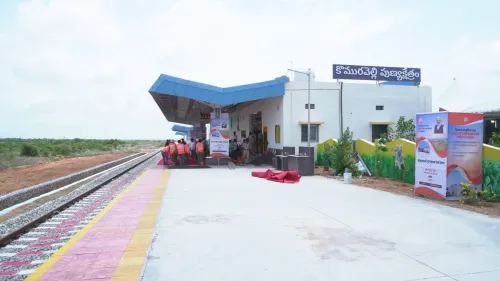
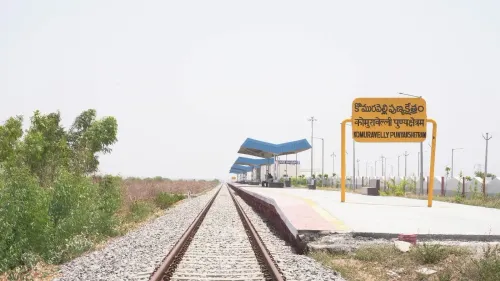
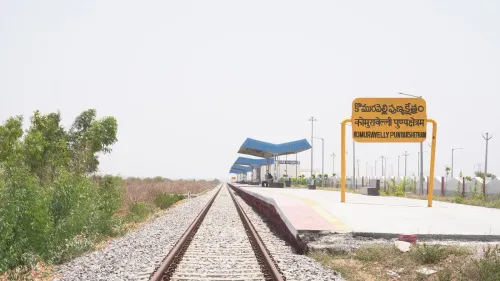
The station features a high-level platform 450 metres long and 10 metres wide , with five shelters and a spacious waiting hall.
Facilities include ticket counters, parking, drinking water, and separate toilets for women, men, and persons with disabilities .
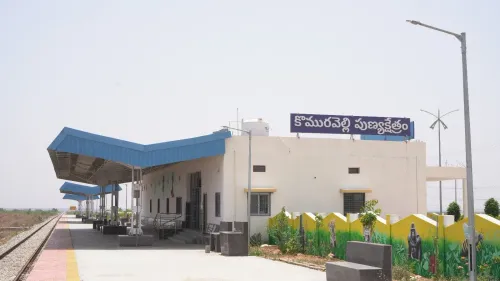
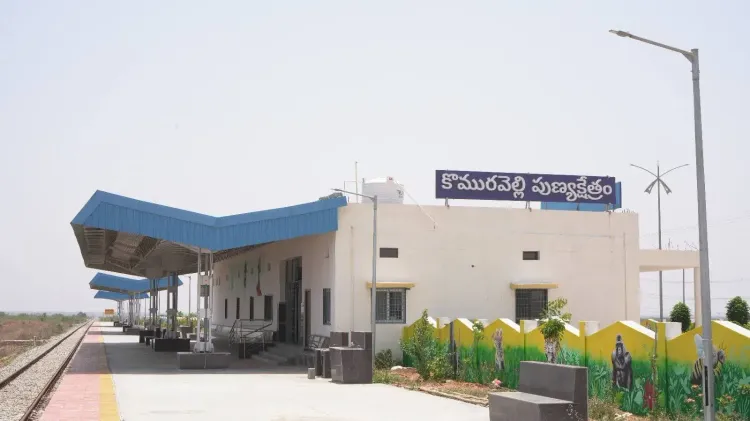
Station walls carry murals depicting Mallanna Swami , local nature, and wildlife, reflecting the region's cultural identity.
The project is expected to provide direct rail access to pilgrims visiting the Komuravelli Mallanna Swami temple , one of Telangana's most prominent shrines.
The development aligns with the Amrit Bharat Stations scheme , which targets redevelopment of over 1,300 stations nationwide.
Union Coal and Mines Minister G. Kishan Reddy on Saturday, 13 June 2026, shared details of a newly developed railway station near Komuravelli in Telangana, highlighting passenger amenities and the station's cultural design inspired by the region's celebrated Mallanna Swami shrine.
What the post says
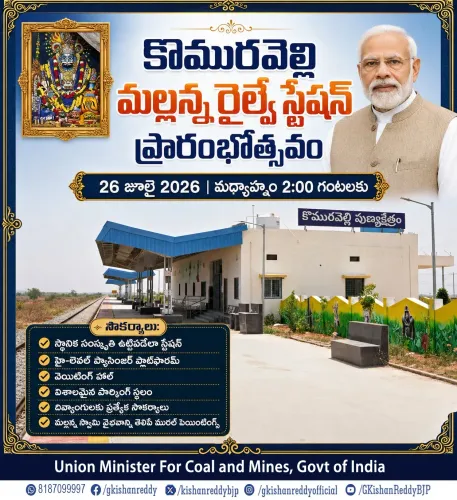
Kishan Reddy listed the key facilities at the station, which include a station building with an entrance gate, a high-level passenger platform measuring 450 metres in length and 10 metres in width, and five shelters on the platform alongside a spacious waiting hall. The station also provides ticket booking counters, a circulating area with parking, drinking water on the platform, and separate toilets for women, men, and persons with disabilities.
The minister noted that the station building reflects local culture, with murals on its walls depicting Mallanna Swami, the surrounding nature, and local wildlife — a design choice intended to honour the region's spiritual identity.
Context
Komuravelli Mallanna Swami is one of Telangana's most prominent Shiva temples, drawing hundreds of thousands of pilgrims annually, particularly during festival seasons. Until now, devotees travelling from across the state largely depended on road transport, which placed pressure on highways and added travel time.
The new station is designed to provide నేరుగా రైలు ప్రయాణ సౌకర్యం (direct rail travel facility) to pilgrims visiting the shrine, reducing road dependency and making the journey more accessible.
Policy backdrop
The infrastructure improvements align with the Amrit Bharat Stations scheme, launched in 2023, under which Indian Railways is redeveloping more than 1,300 stations across the country with modern platforms, accessibility features, improved waiting areas, and culturally sensitive architectural design.
Telangana has been among the states where the scheme targets connectivity gaps between rural religious sites and the broader rail network. The pattern mirrors similar projects in other states that integrate pilgrimage circuits with rail infrastructure to stimulate regional economies and reduce road congestion.
Stakeholders and impact
Pilgrims visiting the Komuravelli temple stand to benefit most directly, gaining a safer and more affordable mode of travel. Local traders, hospitality businesses, and the broader tourism ecosystem around the shrine are also expected to see increased footfall as accessibility improves.
The station's accessibility features — including dedicated toilets for persons with disabilities — signal an effort to make pilgrimage infrastructure inclusive. Improved connectivity is also expected to strengthen transport links between Komuravelli and other parts of Telangana, supporting commerce and daily commuters in the region.
What's next
Attention will now turn to the commissioning timeline and operational launch of the station, details of which have not yet been officially announced. Observers will also watch upcoming railway budget allocations for further new lines or station upgrades across northern Telangana districts, where connectivity gaps remain.
As Telangana's religious tourism circuits gain rail access, the model could serve as a template for integrating other prominent shrines in the state with the national rail network.
Point of View
While also appealing to the state's large base of religious pilgrims ahead of future electoral cycles. The emphasis on cultural murals and local identity signals an effort to frame central rail investment as community-sensitive rather than purely utilitarian. This fits a broader pattern of the BJP government linking the Amrit Bharat Stations scheme to religious tourism circuits — a strategy that simultaneously advances connectivity goals and consolidates voter outreach in temple-heavy constituencies. Whether the station's commissioning timeline matches the political momentum of the announcement will be the real test of delivery.
NationPress
13 Sept 2026
Frequently Asked Questions
What is the new railway station near Komuravelli about?
A new railway station has been developed near Komuravelli in Telangana, featuring a 450-metre high-level platform, waiting hall, ticket counters, parking, drinking water, and accessible toilets. The station building is designed with murals reflecting local culture and the Mallanna Swami temple.
What is the Komuravelli Mallanna Swami temple?
Komuravelli Mallanna Swami is one of Telangana's most prominent Shiva temples, attracting large numbers of pilgrims each year, especially during festival seasons. The new railway station is intended to provide direct rail access to devotees visiting the shrine.
Is this station part of the Amrit Bharat Stations scheme?
The station's amenities — including high-level platforms, accessibility features, and culturally themed architecture — are consistent with the Amrit Bharat Stations scheme launched in 2023, under which Indian Railways is upgrading over 1,300 stations nationwide.
What did Kishan Reddy say about the Komuravelli station?
Union Minister G. Kishan Reddy posted on 13 June 2026 listing the station's key facilities: a 450-metre platform, five shelters, a waiting hall, ticket counters, parking, drinking water, and separate toilets for women, men, and persons with disabilities, along with culturally themed murals.
How will the new Komuravelli railway station benefit local people?
The station will give pilgrims direct rail access to the Mallanna Swami temple, reduce dependence on road transport, improve connectivity between Komuravelli and other parts of Telangana, and is expected to boost local tourism, trade, and economic activity in the region.