Ebola alert: Kochi airport ramps up screening, 24x7 surveillance activated
Synopsis
Kochi's Cochin International Airport has activated round-the-clock Ebola surveillance — thermal screening, 21-day travel history checks, and mandatory self-declaration forms — as India tightens its defences against active outbreaks in Central and East Africa. With no approved vaccine for the BDBV variant and a mortality rate of up to 50%, the stakes at this Kerala gateway are high.
Key Takeaways
Cochin International Airport activated 24x7 Ebola surveillance for international passengers on 22 May 2025 .
Measures include thermal screening , 21-day travel history verification, and mandatory self-declaration forms .
Special monitoring targets arrivals from DR Congo , Uganda , and South Sudan .
There is currently no approved vaccine or specific treatment for the Bundibugyo Ebola Virus (BDBV) variant.
Ebola's mortality rate ranges between 30% and 50% ; incubation period is 2 to 21 days .
Isolation wards have been arranged at Ernakulam General Hospital , Government Hospital Kalamassery , and District Hospital Aluva .
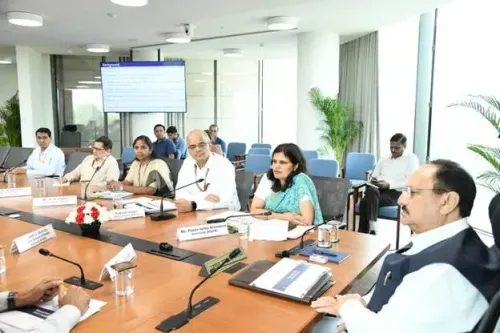
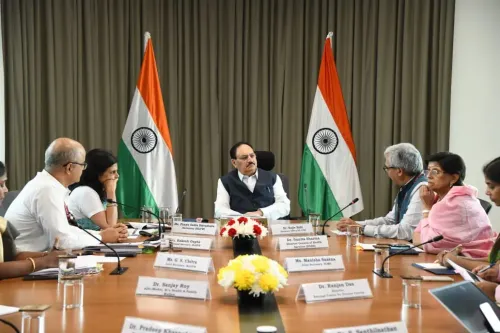
Health authorities have intensified surveillance and precautionary measures against the Ebola virus at Cochin International Airport in Kochi, Kerala, following an emergency preparedness meeting jointly convened by Cochin International Airport Limited (CIAL) and the Airport Health Organisation (APHO). The move, announced on Friday, 22 May, comes amid heightened global concern over active Ebola outbreaks in parts of Africa.
Key Measures Activated
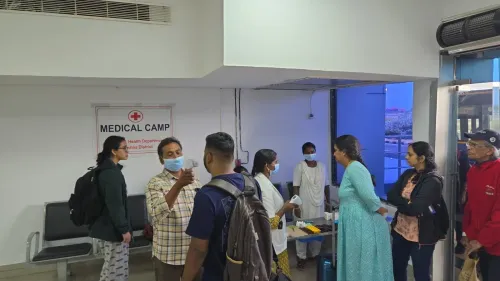
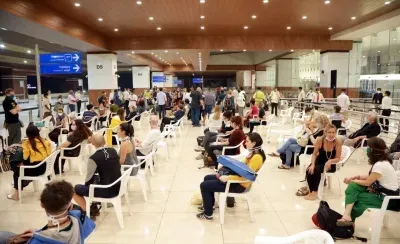
Airport authorities have activated a 24x7 monitoring system for international passengers. Incoming travellers are now subject to thermal screening, verification of 21-day travel history, and mandatory submission of self-declaration forms. Special scrutiny has been directed at passengers arriving from the Democratic Republic of the Congo, Uganda, and South Sudan — countries where Ebola concerns remain significant, according to officials.
What the Preparedness Meeting Decided
The joint meeting, attended by CIAL Airport Director Manu G, Airport Health Officer Dr Raphael Teddy, and Senior Medical Officer Dr Aysha Manika K.A., along with representatives from CISF, immigration authorities, airlines, the Airports Authority of India, and CIAL officials, resolved to strengthen passenger monitoring and reinforce coordinated public health response protocols. APHO Public Health Specialist Dr Anna presented a detailed preparedness and response plan covering Ebola prevention, case identification, and infection control.
What Officials Said About the Virus
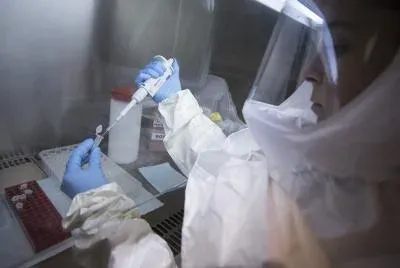
Authorities noted that among the five reported species of the Ebola virus, there is currently 'no approved vaccine or specific treatment' for the Bundibugyo Ebola Virus (BDBV) variant. The disease can spread from animals to humans and through direct contact with the bodily fluids of infected individuals. The incubation period ranges from 2 to 21 days, with early symptoms including fever, sore throat, headache, and flu-like signs. The mortality rate, officials noted, ranges between 30 and 50 per cent.
Isolation Infrastructure in Place
To bolster emergency readiness, dedicated isolation wards have been arranged at Ernakulam General Hospital, Government Hospital Kalamassery, and District Hospital Aluva. Health authorities have also stressed strict adherence to infection prevention practices, including wearing three-layer masks and maintaining regular hand hygiene. The coordinated response reflects a broader effort to prevent any possible spread of infection through one of Kerala's busiest international gateways. Authorities have indicated that surveillance protocols will remain in place as long as the global Ebola situation warrants heightened vigilance.
Point of View
But the absence of an approved vaccine or treatment for the BDBV variant is the detail that deserves more public attention than it typically gets. Kochi handles a disproportionately large share of India's Gulf and Africa-bound diaspora traffic, making it a genuine first line of exposure — not merely a precautionary checkpoint. The coordination between CIAL, APHO, and district hospitals signals that the federal public health architecture is functioning, but the real test will be whether self-declaration forms are enforced rather than treated as a formality, as has been the pattern at Indian airports during past outbreak alerts.
NationPress
24 Sept 2026
Frequently Asked Questions
Why has Kochi airport intensified Ebola screening?
Cochin International Airport has stepped up Ebola surveillance following heightened global concern over active outbreaks in parts of Africa, particularly in the Democratic Republic of the Congo, Uganda, and South Sudan. The measures were decided at an emergency preparedness meeting jointly convened by CIAL and the Airport Health Organisation on 22 May 2025.
What screening measures are in place for passengers at Kochi airport?
Passengers are subject to thermal screening, verification of their 21-day travel history, and mandatory submission of self-declaration forms. A 24x7 monitoring system has been activated specifically for international arrivals, with heightened scrutiny for travellers from Ebola-affected countries.
Is there a vaccine or treatment available for Ebola?
According to health officials, there is currently no approved vaccine or specific treatment for the Bundibugyo Ebola Virus (BDBV) variant. The disease has a mortality rate of 30 to 50 per cent and an incubation period of 2 to 21 days.
Which hospitals have been designated for Ebola isolation in Kochi?
Isolation wards have been arranged at Ernakulam General Hospital, Government Hospital Kalamassery, and District Hospital Aluva to handle any suspected cases identified through airport screening.
How does Ebola spread and what are the early symptoms?
Ebola can spread from animals to humans and through direct contact with the bodily fluids of infected individuals. Early warning signs include fever, sore throat, headache, and flu-like symptoms, typically appearing within 2 to 21 days of exposure, according to health authorities.