Karnataka bandh Aug 13: Kannada groups split over Mekedatu shutdown
Synopsis
A bandh called to demand the Mekedatu project is fracturing the very Kannada groups it was meant to unite. With KRS filling up and Kabini dam full, key organisations are questioning why Karnataka should shut down — and whether the protest serves daily wage workers more than it hurts them.
Key Takeaways
A Karnataka bandh is scheduled for 13 August to protest Tamil Nadu's opposition to the Mekedatu drinking water project .
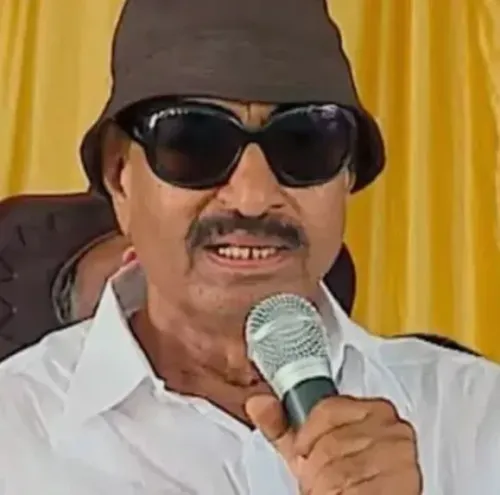
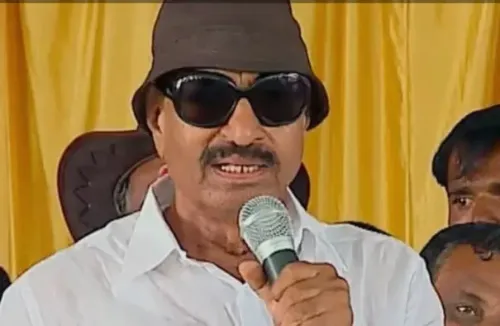
Kannada activist Vatal Nagaraj called the bandh, warning of a serious drinking water crisis for Bengaluru if the project is not built.
Karnataka Rakshana Vedike leader Praveen Kumar Shetty questioned the need for the bandh given improved rainfall and the KRS reservoir filling up, with over 3,000 cusecs being released to Tamil Nadu.
Narayana Gowda and activist Sa.
Govindu said they would not support the shutdown; the Ola and Uber Cab Aggregators Owners and Drivers Association also declined.
Mandya-based groups including Kannada Sene have backed the bandh; Chief Minister D.K.
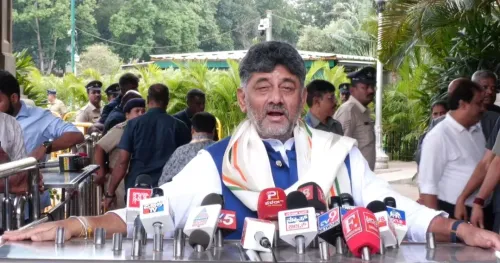
Shivakumar reportedly indicated he would hold talks with Kannada organisations.
A Karnataka bandh called for 13 August over Tamil Nadu's opposition to the Mekedatu drinking water project has exposed sharp divisions among Kannada organisations, with several groups questioning the necessity of a statewide shutdown even as others rally behind the protest. The uncertainty comes amid improved rainfall across Karnataka and rising water levels in key reservoirs.
Why the Bandh Was Called
Kannada activist Vatal Nagaraj called the bandh to press for the implementation of the Mekedatu project, a proposed reservoir on the Cauvery river that Karnataka maintains is critical to meeting Bengaluru's long-term drinking water needs. Nagaraj argued that Tamil Nadu had opposed the project without offering what he described as convincing reasons.
'We are launching a protest for the Mekedatu project. Tamil Nadu has protested against the project, but it has not explained what problems it would face because of it,' Nagaraj said. He warned that Bengaluru could face a serious drinking water crisis if the project is not implemented, adding that the shutdown concerns all residents regardless of community or linguistic background.
Divisions Within Kannada Groups
Karnataka Rakshana Vedike leader Praveen Kumar Shetty said on Tuesday that the changed weather situation warranted a rethink. 'When the bandh was called, there were no rains. After the bandh call was given, rains started. The KRS reservoir is filling up and the Kabini dam is also full. More than the prescribed 3,000 cusecs of water is being released to Tamil Nadu,' Shetty said.
Shetty also raised concerns about the economic impact on daily wage workers, hotel operators, and small shopkeepers who depend on daily earnings. His organisation said it would consult its office-bearers before taking a final position and was also awaiting a meeting with Chief Minister D.K. Shivakumar, who reportedly indicated he would speak to Kannada groups on the issue.
Karnataka Rakshana Vedike president T.R. Narayana Gowda said his organisation would instead stage a protest at Jantar Mantar in New Delhi. Kannada activist Sa. Ra. Govindu also said he would not back the bandh. The Ola and Uber Cab Aggregators Owners and Drivers Association indicated it was not keen on supporting the shutdown either.
Who Is Backing the Shutdown
Several Mandya-based Kannada organisations have announced support for the bandh. The Kannada Sene in Mandya confirmed it would observe the shutdown, while the Cauvery Hitarakshana Vedike was expected to hold a meeting before announcing its decision. Nagaraj appealed to people across Bengaluru and Karnataka to take to the streets in solidarity.
The Mekedatu Dispute: Background
The Mekedatu project has long been a flashpoint between Karnataka and Tamil Nadu. Karnataka contends the proposed reservoir is essential for securing Bengaluru's drinking water supply, while Tamil Nadu has opposed it citing concerns over downstream availability of Cauvery water. The dispute has previously been taken up at the national level, with the Centre yet to grant formal clearance.
The extent of participation in the 13 August bandh is expected to become clearer once the various Kannada organisations conclude their internal consultations and announce final decisions.
Point of View
But it works best when scarcity is visible. With reservoirs filling and Tamil Nadu already receiving mandated releases, the urgency argument is harder to sustain — and organisers know it. Chief Minister Shivakumar's reported offer to meet Kannada groups looks less like outreach and more like a pressure valve; if he can delay or defuse the shutdown, he avoids the optics of a government-backed disruption to Bengaluru's economy. The real question the bandh leaves unanswered is structural: the Mekedatu project has been pending for years, and neither rainfall nor its absence has moved it closer to clearance. A one-day shutdown, divided or not, is unlikely to change that calculus.
NationPress
25 Sept 2026
Frequently Asked Questions
Why has a Karnataka bandh been called on 13 August?
The bandh was called by Kannada activist Vatal Nagaraj to protest Tamil Nadu's opposition to the Mekedatu drinking water project, which Karnataka argues is essential for Bengaluru's long-term water security. Nagaraj said Tamil Nadu had not provided convincing reasons for objecting to the project.
What is the Mekedatu project and why is it controversial?
The Mekedatu project is a proposed reservoir on the Cauvery river in Karnataka, intended to meet Bengaluru's drinking water needs. Tamil Nadu has opposed it, citing concerns about downstream water availability, making it a long-running interstate dispute that has yet to receive central clearance.
Why are some Kannada organisations opposing the bandh?
Several groups, including Karnataka Rakshana Vedike leader Praveen Kumar Shetty, argue that improved rainfall and rising reservoir levels — with the KRS reservoir filling and Kabini dam full — reduce the immediate urgency. They have also raised concerns about the economic impact on daily wage workers and small shopkeepers.
Which organisations are supporting and which are opposing the bandh?
Mandya-based groups including Kannada Sene have backed the shutdown, while Karnataka Rakshana Vedike president T.R. Narayana Gowda, activist Sa. Ra. Govindu, and the Ola and Uber Cab Aggregators Owners and Drivers Association have indicated they will not participate. The Cauvery Hitarakshana Vedike was yet to announce its decision.
What is the Karnataka government's position on the bandh?
Chief Minister D.K. Shivakumar reportedly indicated he would speak to Kannada organisations on the issue, and some groups said they were waiting for that meeting before finalising their stance. The government has not formally endorsed or opposed the bandh.