Mekedatu project: SC dismisses Tamil Nadu review plea, Shivakumar hails order
Synopsis
The Supreme Court's dismissal of Tamil Nadu's review petition on Mekedatu is a significant legal win for Karnataka — clearing a key obstacle for a project that has fuelled one of India's most contentious inter-state water disputes. Karnataka now moves to submit a revised DPR, but federal and environmental clearances remain the real battleground ahead.
Key Takeaways
The Supreme Court dismissed Tamil Nadu's review petition against the Mekedatu balancing reservoir and drinking water project .
Karnataka Deputy CM D.K.
Shivakumar called the order 'good news' for Karnataka and expressed gratitude to the apex court.
The final decision on the project now rests with the Central government ; Karnataka is preparing a revised DPR .
An earlier Supreme Court order directs Karnataka to release 177 TMC of water to Tamil Nadu subject to stipulated conditions.
Tamil Nadu had opposed the project citing potential reduction in water flows to the Cauvery delta region.
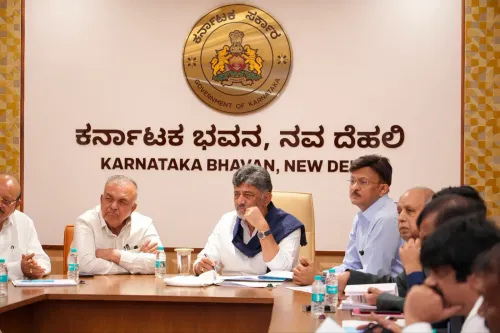
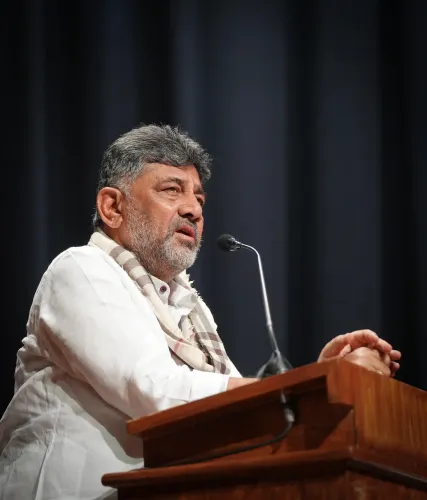
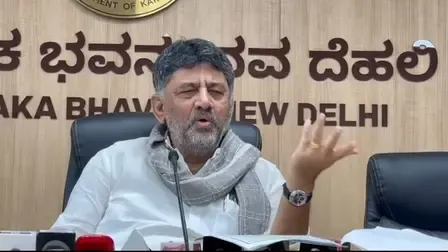
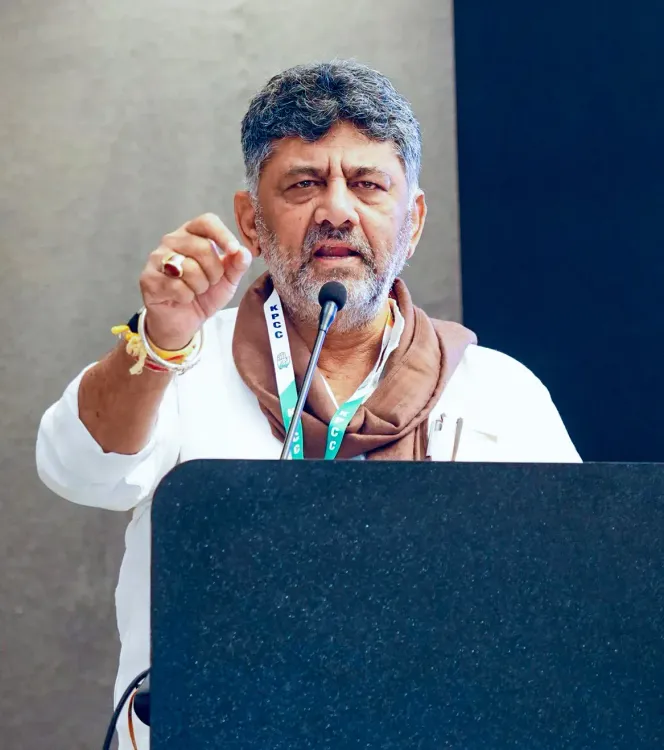
Karnataka Deputy Chief Minister D.K. Shivakumar, who also holds charge of the Water Resources Ministry, on Tuesday welcomed the Supreme Court's decision to dismiss Tamil Nadu's review petition against the Mekedatu balancing reservoir and drinking water project, describing it as 'good news' for the state. Shivakumar made the remarks while addressing the media at Karnataka Bhavan in New Delhi.
What Shivakumar Said
'The three-judge bench of the Supreme Court has dismissed the review petition filed by Tamil Nadu regarding the Mekedatu project. This is good news for Karnataka. On behalf of the people of Karnataka, we express our gratitude to the Supreme Court,' Shivakumar said.
He added that the state government is currently preparing a revised Detailed Project Report (DPR) and that the final decision on the project now rests with the Central government. 'The decision on the project now rests with the Central government. We are currently in the process of submitting the revised Detailed Project Report,' he stated.
Supreme Court's Earlier Directions
Shivakumar also noted that the apex court had, in an earlier order, already issued clear directions requiring Karnataka to release 177 TMC of water allocated to Tamil Nadu, subject to stipulated conditions. The dismissal of the review petition does not alter those obligations but removes a key legal hurdle for the project's progression.
The Mekedatu Dispute: Background
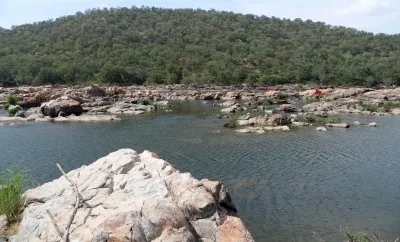
The Mekedatu project — a proposed balancing reservoir across the Cauvery River near the Karnataka-Tamil Nadu border — has been a flashpoint between the two states for years. Karnataka argues the project is essential to meet Bengaluru's drinking water needs and to generate hydroelectric power, and maintains it will not infringe on Tamil Nadu's allocated share under the Cauvery Water Disputes Tribunal award.
Tamil Nadu has consistently opposed the project, contending that the reservoir could reduce downstream water flows to farmers in the Cauvery delta region. The state has also argued that Karnataka cannot proceed without the consent of lower riparian states and requisite environmental clearances. The dispute has triggered repeated political and legal confrontations between the two neighbours.
What Happens Next
With the review petition dismissed, Karnataka's immediate focus shifts to finalising and submitting the revised DPR to the Centre. Clearance from the Central Water Commission and environmental authorities will remain critical milestones before construction can begin. The political temperature between the two states is likely to remain elevated as the project moves closer to federal scrutiny.
Point of View
But it is far from a green light for Mekedatu. The project still requires Central government approval, a fresh DPR clearance, and environmental scrutiny — all of which involve the very federal calculus that has stalled the project for years. Tamil Nadu's political opposition has not softened, and with Cauvery water-sharing remaining a perennial electoral fault line in both states, the Centre will tread carefully. Karnataka's framing of this as 'good news' is accurate on the legal front; whether it translates into shovels in the ground is a different question entirely.
NationPress
9 Oct 2026
Frequently Asked Questions
What is the Mekedatu project?
The Mekedatu project is Karnataka's proposed balancing reservoir and drinking water scheme across the Cauvery River near the Karnataka-Tamil Nadu border. Karnataka says it is vital for Bengaluru's drinking water supply and hydroelectric power generation, and maintains it will not affect Tamil Nadu's allocated Cauvery water share.
Why did the Supreme Court dismiss Tamil Nadu's review petition?
The Supreme Court's three-judge bench dismissed Tamil Nadu's review petition challenging the Mekedatu project, removing a key legal hurdle for Karnataka. The court did not alter its earlier direction requiring Karnataka to release 177 TMC of water to Tamil Nadu under stipulated conditions.
What does Karnataka do next after the Supreme Court order?
Karnataka will now focus on finalising and submitting a revised Detailed Project Report (DPR) to the Central government, which holds the final decision on the project. Central Water Commission approval and environmental clearances are the next critical steps.
Why has Tamil Nadu opposed the Mekedatu project?
Tamil Nadu argues that the proposed reservoir could reduce downstream water flows to farmers in the Cauvery delta region. It has also contended that Karnataka cannot proceed without consent from lower riparian states and mandatory environmental clearances.
Who is D.K. Shivakumar and why is he central to this issue?
D.K. Shivakumar is Karnataka's Deputy Chief Minister and also holds charge of the Water Resources Ministry, making him the state's lead voice on inter-state water disputes including Mekedatu. He welcomed the Supreme Court's order on Tuesday and confirmed the revised DPR is being prepared.