Karnataka forms tribal commission; Shivakumar fulfils 2-day promise
Synopsis
Karnataka CM D.K. Shivakumar did not wait a month — he acted in two days. The newly ordered tribal and nomadic commission, backed by a sweeping 2026–2035 development framework targeting Jenu Kuruba and Koraga PVTGs, signals a structural shift from piecemeal welfare to a rights-based model. Whether delivery matches the ambition is the real test.
Key Takeaways
Shivakumar ordered the formation of a special tribal and nomadic commission on 13 August 2025 .
The order was issued within two days of a public pledge made during World Tribal Day celebrations.
The commission will address education, healthcare, housing, drinking water, roads, electricity, and youth employment for tribal and nomadic communities.
The Karnataka Tribal Development Framework 2026–2035 proposes six Tribal Development Zones and 12 key pillars for a rights-based model.
Jenu Kuruba and Koraga communities (PVTGs) are earmarked for 100 per cent coverage of essential services.
Measurable development outcomes are targeted for 2030 and 2035 through GIS mapping and departmental convergence.
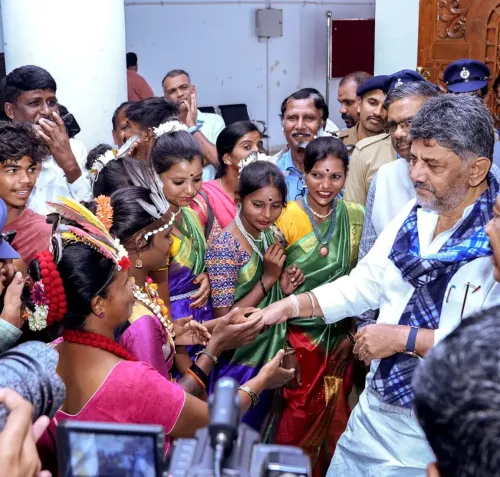
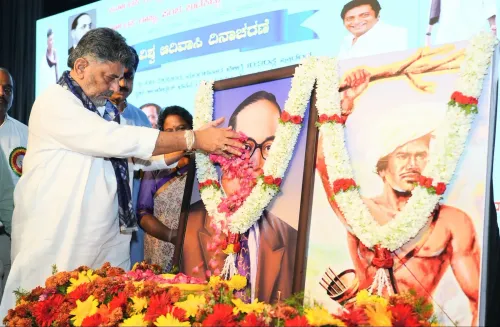
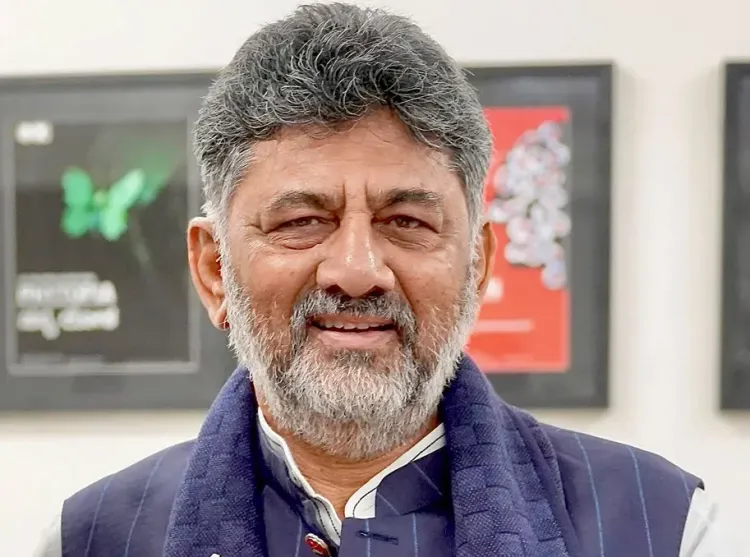
Karnataka Chief Minister D.K. Shivakumar has ordered the formation of a special commission for the development of tribal and nomadic communities in the state, fulfilling a pledge he made during World Tribal Day celebrations — and doing so within two days of the announcement, according to an official statement from the Chief Minister's Office on Thursday, 13 August 2025.
Why the Commission Was Formed
The move comes in direct response to a demand raised at the World Tribal Day event, where Shivakumar had publicly committed to constituting the commission within a month. The government noted that he acted far ahead of that deadline. Tribal and nomadic communities across Karnataka continue to face persistent social, educational, and economic challenges — a reality the state government cited as the central justification for the body.
What the Commission Will Do
The commission is mandated to work on the development, rights protection, and social justice for tribal and nomadic groups. Its focus areas include access to quality education, nutritious food, healthcare, housing, drinking water, roads, and electricity. The government also intends the body to drive skill development and expand employment opportunities for youth from these communities.
The Karnataka Tribal Development Framework 2026–2035
S. Mohandass Hegde, Member of the Karnataka State Policy and Planning Commission, outlined a broader long-term blueprint alongside the commission order. The Karnataka Tribal Development Framework 2026–2035 proposes a shift away from fragmented welfare schemes toward a rights-based, community-led, and outcome-oriented model. It seeks to recognise tribal communities as rights-holders, decision-makers, producers, entrepreneurs, and custodians of traditional culture.
The framework gives special priority to the Jenu Kuruba and Koraga communities, both classified as Particularly Vulnerable Tribal Groups (PVTGs), with proposed 100 per cent coverage of essential services including housing, drinking water, healthcare, education, nutrition, and livelihoods.
Key Pillars and Targets
According to Hegde, the framework proposes tribal habitations as the basic planning unit and envisages six Tribal Development Zones built on 12 key pillars — spanning land and forest rights, self-governance, education, healthcare, livelihoods, women's and youth empowerment, infrastructure, culture, environment, digital governance, and accountability. Measurable outcomes on services, incomes, education, health, employment, and rights protection are targeted for 2030 and 2035, to be achieved through integrated planning, GIS mapping, and departmental convergence.
What Comes Next
With the commission now formally constituted, the immediate task will be defining its composition, powers, and operational mandate. The alignment of the new commission with the 2026–2035 framework will be closely watched by tribal rights advocates, who have long called for a shift from ad hoc welfare delivery to a structural, rights-based approach.
Point of View
Budget, and statutory powers, none of which have been disclosed yet. Karnataka has a history of welfare bodies that are constituted with fanfare and then rendered toothless by inadequate funding or bureaucratic overlap. The 2026–2035 framework is architecturally sound — rights-based, outcome-oriented, GIS-mapped — but frameworks without enforcement teeth tend to become shelf documents. The Jenu Kuruba and Koraga communities, among the most marginalised in the state, have heard ambitious targets before.
NationPress
28 Sept 2026
Frequently Asked Questions
What is the special commission formed by Karnataka CM D.K. Shivakumar?
It is a state-level body ordered by Chief Minister D.K. Shivakumar to oversee the development, rights protection, and social justice for tribal and nomadic communities in Karnataka. The commission will focus on education, healthcare, housing, drinking water, skill development, and employment for these groups.
Why was the Karnataka tribal commission formed so quickly?
Shivakumar had publicly pledged during World Tribal Day celebrations to constitute the commission within a month. The government issued the order within two days, citing the longstanding social, educational, and economic challenges faced by tribal and nomadic communities in the state.
What is the Karnataka Tribal Development Framework 2026–2035?
It is a long-term blueprint that proposes shifting from fragmented welfare schemes to a rights-based, community-led model for tribal development. It envisages six Tribal Development Zones, 12 key pillars, and 100 per cent coverage of essential services for Particularly Vulnerable Tribal Groups by 2030 and 2035.
Which communities get special priority under the new framework?
The Jenu Kuruba and Koraga communities, both classified as Particularly Vulnerable Tribal Groups (PVTGs), receive special priority with proposed 100 per cent coverage of housing, drinking water, healthcare, education, nutrition, and livelihoods.
Who is S. Mohandass Hegde and what did he say?
S. Mohandass Hegde is a Member of the Karnataka State Policy and Planning Commission. He outlined the Karnataka Tribal Development Framework 2026–2035, which proposes tribal habitations as the basic planning unit and targets measurable improvements in services, incomes, and rights protection by 2030 and 2035 through integrated planning and GIS mapping.