Karnataka RTC bus fare hike likely; 30-44% revision proposed amid ₹40 crore monthly losses
Synopsis
Karnataka's four state transport corporations are losing ₹40 crore a month, diesel has been hiked six times in six months, and a 30-to-44% bus fare revision is now on the Cabinet's table — all while the government runs a free travel scheme used by 55-60 lakh women daily. The fiscal math is catching up with welfare politics.
Key Takeaways
Karnataka is considering a 30 to 44 per cent RTC bus fare hike, pending Cabinet approval .
The four state transport corporations collectively incur losses of around ₹40 crore every month due to rising fuel and operational costs.
Diesel prices have been revised upward six times in the past six months, while bus fares have remained unchanged.
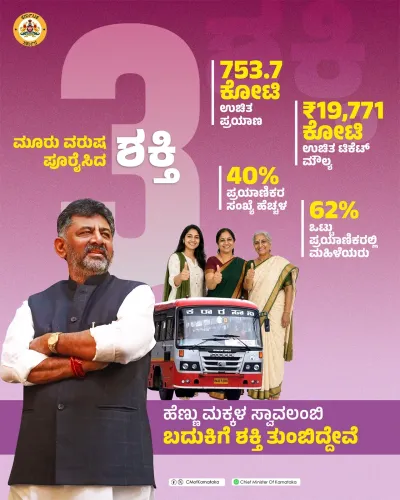
The government has spent over ₹8,000 crore on the Shakti free travel scheme since its launch on 11 June 2023 , with annual costs of ₹4,000–₹4,500 crore .
More than 500 crore free trips have been availed under Shakti; an average of 55–60 lakh women use it daily.
The revised fares could take effect in the first week of July , subject to Chief Minister D.K.
Shivakumar's approval.
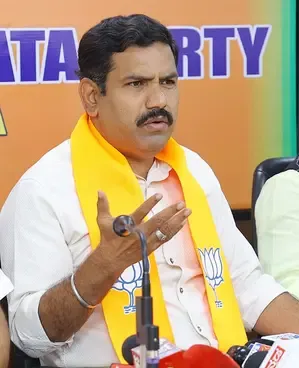
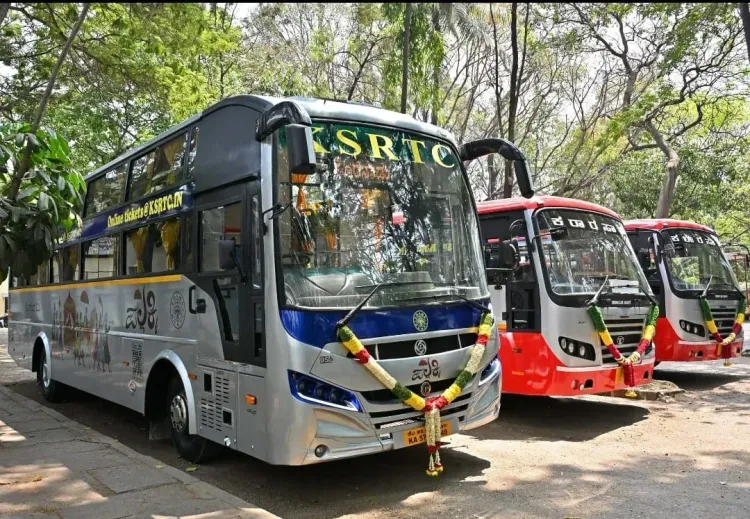
Karnataka is set to revise state-run Road Transport Corporation (RTC) bus fares, with a proposal recommending a hike of 30 to 44 per cent awaiting Cabinet approval, according to official sources. Transport Minister Byrathi Suresh confirmed on Wednesday in Bengaluru that the revision has become unavoidable as the four state transport corporations collectively bleed nearly ₹40 crore every month due to rising operational costs, even as the government continues the flagship Shakti free travel scheme for women.
Why the Fare Hike Is on the Table
Diesel prices have been revised upward six times over the past six months, yet RTC fares have remained unchanged throughout that period. Beyond fuel, the cost of tyres and spare parts has also risen substantially, compounding the financial strain on the corporations. Officials said all four transport bodies — Karnataka State Road Transport Corporation (KSRTC), Bengaluru Metropolitan Transport Corporation (BMTC), North Western Karnataka Road Transport Corporation (NWKRTC), and Kalyana Karnataka Road Transport Corporation (KKRTC) — have formally informed the government that a fare revision can no longer be deferred.
The Karnataka government had already increased RTC bus fares by 15 per cent last year. The proposed revision, if approved, would be a significantly steeper adjustment. Sources said the final decision rests with Chief Minister D.K. Shivakumar, and the proposal is expected to be tabled at the next Cabinet meeting. Subject to approval, the revised fares could take effect in the first week of July.
What the Transport Minister Said
'The Shakti free travel scheme is a unique initiative. At the same time, our transport corporations also need to survive. If they are to remain sustainable, we will have to increase ticket prices, at least marginally,' Minister Suresh told reporters in Bengaluru.
He added that the government would weigh all factors before deciding and would try to minimise the burden on commuters. 'We need additional funds to continue the Shakti scheme, and ticket prices may have to be increased. We will take an appropriate decision keeping the interests of the people in mind,' he said.
Suresh also flagged that the government has pending reimbursement dues running into 'hundreds of crores' owed to the transport corporations under the Shakti scheme, and that the Transport Department is awaiting clearance from the Finance Department to release those funds. He noted that nearly one lakh employees work across the four corporations, and salary disbursements remain a pressing obligation.
The Shakti Scheme: Scale and Cost
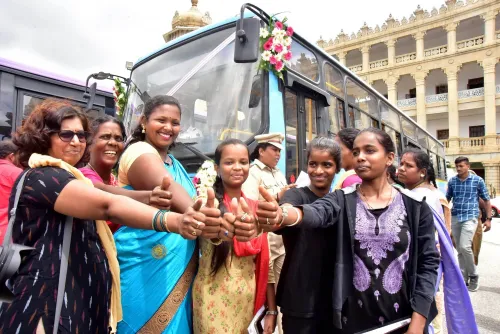
Launched on 11 June 2023, the Shakti Scheme is one of the Karnataka government's five flagship welfare guarantees. It provides free travel for women on ordinary and express services across all four state road transport corporations. Since its launch, more than 500 crore free passenger trips have been availed by women, with an average of 55 to 60 lakh women using the scheme on any given day across the state.
The government has reimbursed and allocated over ₹8,000 crore towards the scheme since inception, with annual expenditure estimated at ₹4,000 to ₹4,500 crore, depending on ridership and reimbursement cycles. The scale of the scheme, while a significant social achievement, has emerged as a central factor in the corporations' fiscal stress.
Impact on Commuters and What Comes Next
A fare hike in the range of 30 to 44 per cent would represent one of the sharpest upward revisions in recent years for Karnataka's bus network, which serves millions of daily commuters — including those in rural and semi-urban areas who depend on state buses as their primary mode of transport. The Shakti scheme itself would remain unaffected for women beneficiaries, as it covers free travel; the burden would fall on the general fare-paying public.
The Cabinet's decision will be closely watched, particularly given the political sensitivity of raising commuter costs while simultaneously running a high-profile welfare programme. Industry observers note this is not unique to Karnataka — several state transport corporations across India are grappling with the same diesel-cost-versus-social-scheme squeeze. The outcome of Karnataka's Cabinet deliberations could set a precedent for how other states navigate this tension.
Point of View
If cleared, would be among the steepest in the state's recent history and would disproportionately affect daily wage workers and rural commuters who rely on state buses. The more pointed question is why reimbursements running into hundreds of crores remain unpaid from the Finance Department to the Transport Department within the same government — an internal bottleneck that is as responsible for the corporations' distress as diesel prices. Until that pipeline is fixed, fare hikes alone will not restore financial viability.
NationPress
1 Jul 2026
Frequently Asked Questions
Why is Karnataka planning to hike RTC bus fares?
Karnataka's four state transport corporations are collectively losing around ₹40 crore every month due to six successive diesel price hikes in the past six months, along with rising costs of tyres and spare parts. All four corporations have formally requested a fare revision, and a proposal for a 30 to 44 per cent hike is now before the Cabinet.
By how much could Karnataka RTC bus fares increase?
A proposal recommending a fare increase in the range of 30 to 44 per cent has reportedly been submitted to the government. The final quantum will be decided by the Cabinet, with Chief Minister D.K. Shivakumar's approval required. The revised fares could take effect in the first week of July, subject to clearance.
Will the Shakti free travel scheme for women be affected by the fare hike?
The Shakti scheme, which provides free bus travel for women on ordinary and express services, is expected to continue as before. The fare hike would affect the general fare-paying public, not Shakti beneficiaries. However, the scheme's financial sustainability is itself part of the reason the hike is being considered, as reimbursements to transport corporations have been delayed.
What is the Shakti Scheme and how many women benefit from it?
The Shakti Scheme is one of the Karnataka government's five flagship welfare guarantees, launched on 11 June 2023. It provides free travel for women across KSRTC, BMTC, NWKRTC, and KKRTC services. More than 500 crore free trips have been availed since launch, with 55 to 60 lakh women using the scheme daily. The government has spent over ₹8,000 crore on it since inception.
When was the last time Karnataka increased RTC bus fares?
The Karnataka government increased RTC bus fares by 15 per cent last year. The proposed revision of 30 to 44 per cent, if approved, would be a significantly steeper hike and one of the largest fare increases in recent years for the state's bus network.