K. T. Rama Rao Calls for Urgent Kazipet Railway Division Establishment
Synopsis
In a significant move, K. T. Rama Rao has reached out to Railways Minister Ashwini Vaishnaw, pushing for the creation of a new Railway Division in Kazipet. This initiative aims to alleviate the operational strain on the Secunderabad Division and optimize railway management in Telangana.
Key Takeaways
Rama Rao advocates for a new Railway Division in Kazipet.
The current Secunderabad Division faces operational challenges.
The proposed division aims to manage high-density routes.
Kazipet's strategic location is key to improving railway efficiency.
Administrative decentralization is crucial for better management.
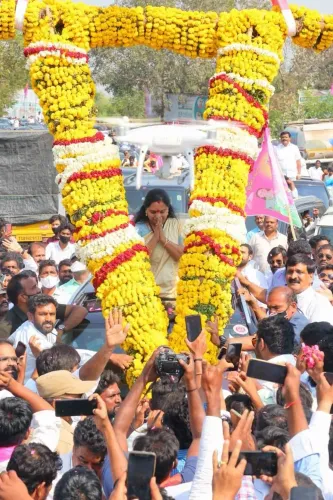
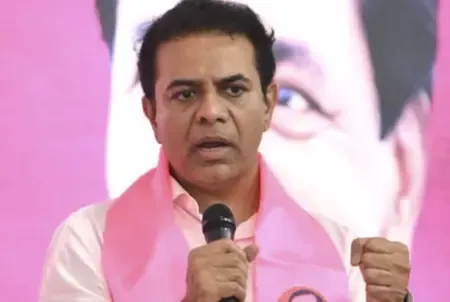
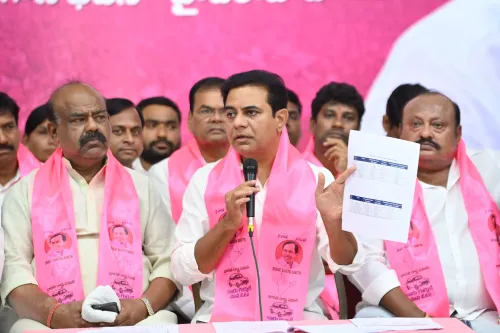
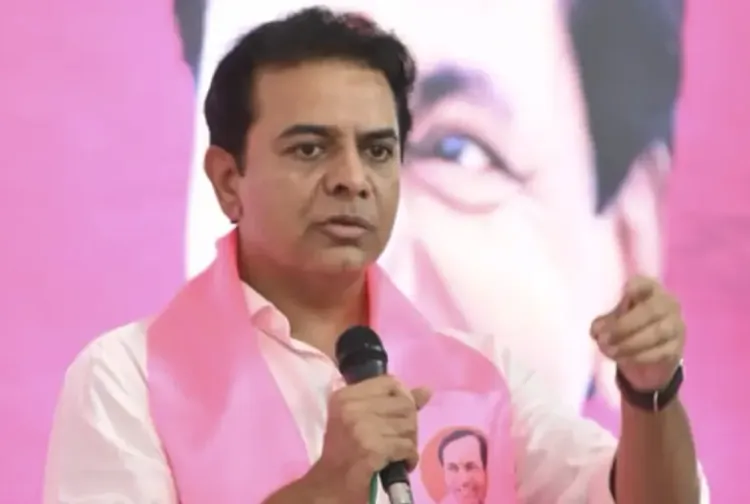
Hyderabad, April 1 (NationPress) K. T. Rama Rao, the working president of the Bharat Rashtra Samithi (BRS), has addressed a letter to the Railways minister, Ashwini Vaishnaw, advocating for the prompt establishment of a new Railway Division headquartered in Kazipet, Telangana.
Rama Rao pointed out that the current restructuring within the South Central Railway, along with the initiation of the South Coast Railway, has significantly overburdened the Secunderabad Division.
According to recent restructuring figures, the Secunderabad Division currently covers 2,755 track kilometres, which is projected to rise to about 3,150 track kilometres with the inclusion of the Wadi–Raichur and Vishnupuram–Bibinagar double line sections. This expansion far exceeds the ideal administrative range typically seen within Indian Railways divisions.
The BRS leader noted that divisions like Vijayawada and Guntakal manage around 2,200 track kilometres, while Guntur Division remains below 900 kilometres. This notable disparity positions the Secunderabad Division as an anomaly in terms of size, operational complexity, and traffic density.
Rama Rao asserted that creating a Kazipet Division is both sensible and essential. The proposed division would encompass crucial railway sections including Kazipet–Balharshah, Peddapalli–Nizamabad, Kazipet–Yerrupalem, Dornakal–Manuguru & Sathupalli, Motumari–Vishnupuram, and Kazipet–Wangapalli. Collectively, these sections would create a streamlined, high-density railway network spanning approximately 1,500–2,000 track kilometres, which aligns well with established divisional standards.
He also requested a reconsideration of certain redistribution proposals. Specifically, he urged for the Peddapalli–Nizamabad section to be transferred from the Hyderabad Division to the new Kazipet Division, due to its geographic and operational continuity. Furthermore, he suggested that the proposal to move the Latur Road–Parli Vaijnath section to the Nanded Division be re-evaluated to ensure operational efficiency.
Emphasizing Kazipet's strategic significance, KTR mentioned its location at the crossroads of major trunk routes, along with substantial infrastructure improvements. This includes the completion of triple lines toward Balharshah and Vijayawada, as well as a sanctioned quadruple line between Secunderabad and Kazipet, which transforms the area into a high-capacity rail corridor.
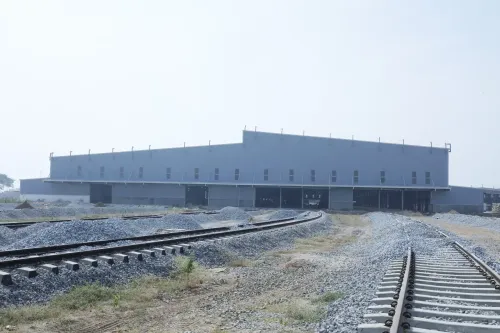
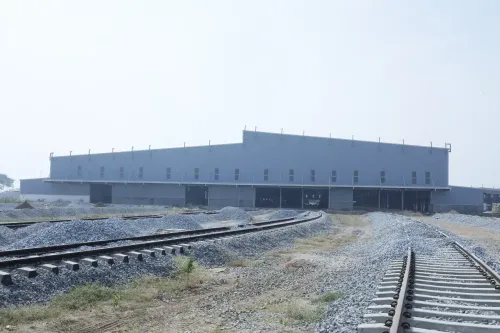
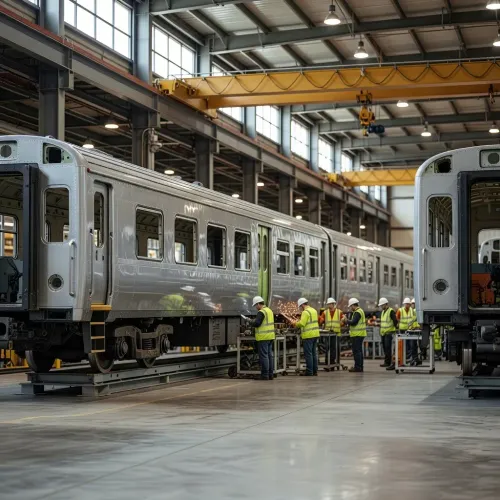
Additionally, he pointed out that the establishment of a railway manufacturing unit in Kazipet, coupled with the development of a Rolling Overhaul (ROH) shed and locomotive maintenance facilities at Mahabubabad, elevates the region's strategic role within the national railway framework.
The forthcoming Kazipet Division is anticipated to manage freight-intensive routes, including coal from the Singareni region, cement, fertilizers, food grains, and inputs for the power sector.
Given the significant revenue potential and loading density of these routes, KTR underlined the necessity for targeted administrative oversight.
KTR further noted that the current concentration of high-density routes within the Secunderabad Division has led to administrative strain, prolonged decision-making, and difficulties in maintenance and safety supervision.
The establishment of a Kazipet Division would decentralize operations, enhance efficiency, and facilitate more agile management.
Point of View
K. T. Rama Rao's proposal to create a Kazipet Railway Division appears both timely and necessary. Given the growing operational demands on the Secunderabad Division, this strategic move could enhance railway management and efficiency in Telangana, benefiting both the local economy and the national transportation network.
NationPress
19 Sept 2026
Frequently Asked Questions
Why is K. T. Rama Rao advocating for a new Railway Division?
K. T. Rama Rao is urging for a new Railway Division in Kazipet to alleviate the operational strain on the Secunderabad Division, which currently covers an excessive area.
What areas would the Kazipet Division cover?
The proposed Kazipet Division would include key sections like Kazipet–Balharshah, Peddapalli–Nizamabad, and Kazipet–Wangapalli.
What are the expected benefits of forming the Kazipet Division?
The formation of the Kazipet Division is expected to improve operational efficiency, enhance management responsiveness, and better serve freight-intensive routes.
How does the current Secunderabad Division compare to others?
The Secunderabad Division significantly exceeds the size and complexity of other divisions like Vijayawada and Guntakal, leading to administrative challenges.
What infrastructure improvements support the Kazipet proposal?
Kazipet has seen significant infrastructure upgrades, including triple lines toward Balharshah and a sanctioned quadruple line between Secunderabad and Kazipet.