Kashmir Women's Organisation to lead Nasha Mukt Bharat drive in J&K
Synopsis
The Kashmir Women's Organisation is moving beyond awareness drives to a full-scale anti-drug mobilisation — with women as the primary agents of change. Having already reached over 8 million people digitally and engaged 20,000 women directly, KWO is now building a comprehensive action plan under Nasha Mukt Bharat, framing the fight against addiction as inseparable from women's empowerment in J&K.
Key Takeaways
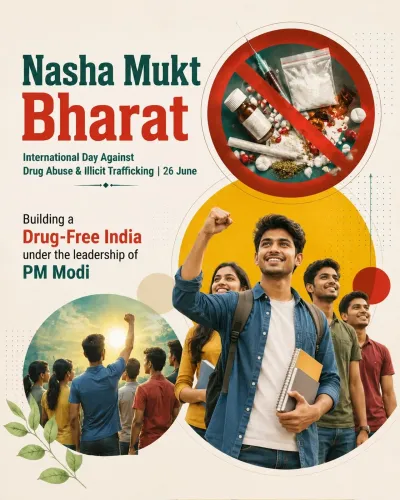
The Kashmir Women's Organisation (KWO) has pledged to significantly intensify its campaign against drug addiction under the Nasha Mukt Bharat initiative.
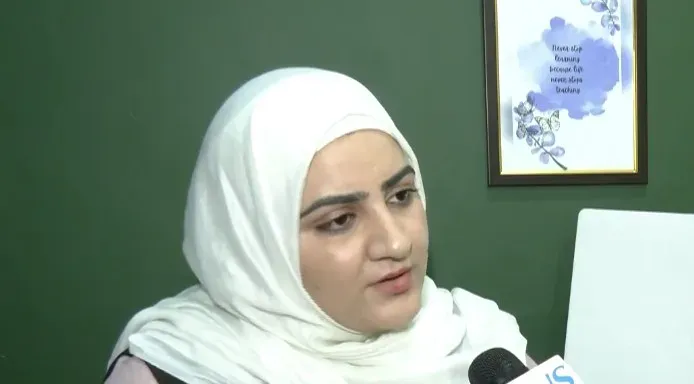
KWO Chairperson Darakhshan Hassan Bhat said women will lead awareness, prevention, and rehabilitation efforts across Jammu & Kashmir .
The organisation has directly engaged more than 20,000 women and reached over 8 million people through digital platforms.
Thousands of women participated in the government's 100-day Nasha Mukt Abhiyan ; a comprehensive action plan is now being prepared.
KWO's five-year roadmap includes expanding grassroots presence, promoting women's entrepreneurship, and boosting digital literacy alongside the anti-drug drive.
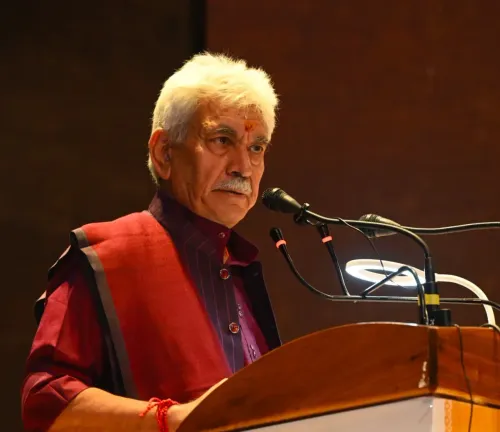
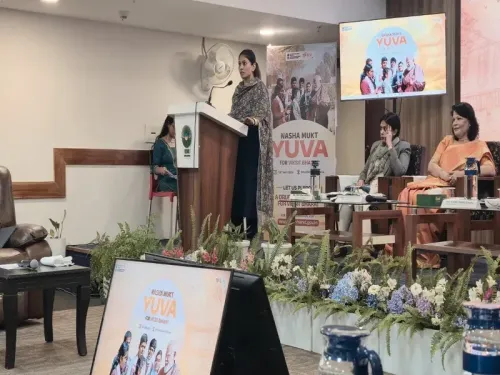
The Kashmir Women's Organisation (KWO) has announced a significant escalation of its campaign against drug addiction in Jammu & Kashmir, placing women at the centre of awareness, prevention, and rehabilitation efforts under the Nasha Mukt Bharat campaign. The move follows a direct prompt from the Lieutenant Governor during a Gender Equity Fellowship event, where KWO was asked to account for its contributions to the national anti-drug initiative.
What KWO Is Pledging
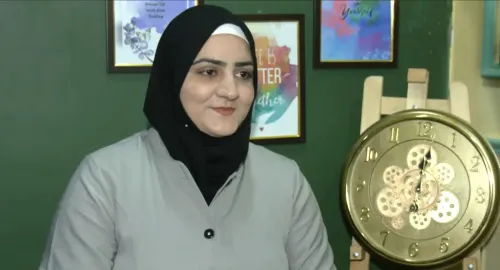
KWO Chairperson Darakhshan Hassan Bhat, a PhD scholar, said the organisation will expand awareness programmes, strengthen family support systems, and facilitate counselling and rehabilitation through domain experts. Critically, she said KWO will work to encourage women battling substance abuse to seek treatment without fear of social stigma — a persistent barrier in conservative communities.
'The Lieutenant Governor, during the Gender Equity Fellowship event, asked us what we were doing under the Nasha Mukt Bharat campaign. We have already organised awareness drives and community outreach programmes, but now the time has come to accelerate our efforts,' Bhat said.
Why Women Are Central to This Fight
Bhat argued that women are disproportionately affected by drug addiction — either as direct victims or as mothers, daughters, wives, and sisters of those battling substance dependence. Empowering women, she said, is not peripheral to the anti-drug mission but foundational to it: stronger women build stronger families, and stronger families are more capable of resisting the pull of addiction.
She added that women have the potential to become powerful agents of social change and must play a leading role in the fight against addiction. This framing positions the KWO's campaign not merely as welfare outreach but as a structural intervention in community resilience.
Scale of Reach So Far
The KWO has already demonstrated considerable reach. According to Bhat, the organisation has directly engaged more than 20,000 women and reached over 8 million people through digital platforms. Thousands of women participated in the government's 100-day Nasha Mukt Abhiyan initiative, and KWO is now preparing a comprehensive action plan to deepen its contribution in the coming months.
The organisation's Darakshan Sitaray podcast and social media channels have been deployed to amplify positive narratives, counter misinformation, and encourage women to step into leadership roles — a dual-track approach combining offline grassroots outreach with digital amplification.
Leadership Pipeline and Broader Agenda
Beyond the anti-drug campaign, KWO promotes women's leadership through the Gender Equity Fellowship, which trains participants in leadership, communication, constitutional awareness, public policy, digital literacy, and community engagement. Bhat acknowledged that challenges such as domestic violence, limited economic opportunities, and entrenched social barriers remain significant, particularly in rural and remote areas of Kashmir.
Looking ahead, the KWO aims to expand its grassroots presence, promote women's entrepreneurship, enhance digital literacy, and increase women's participation in decision-making over the next five years — with the fight against drug addiction listed as a central priority throughout.
Point of View
Particularly those involving women, outperform institutional rehabilitation alone. But the scale gap is stark: 20,000 directly engaged women against a population of over 13 million in J&K means the effort is still in early innings. The real test will be whether KWO's comprehensive action plan translates digital reach into ground-level behavioural change in remote areas where stigma is highest and services are thinnest. The Lieutenant Governor's public nudge is also worth noting — it signals that the administration is watching, which can be both an accelerant and a political pressure point for a civil society body that must retain its independence to be credible.
NationPress
11 Oct 2026
Frequently Asked Questions
What is the Kashmir Women's Organisation's role in the Nasha Mukt Bharat campaign?
The Kashmir Women's Organisation (KWO) is intensifying its contribution to the Nasha Mukt Bharat campaign by placing women at the forefront of awareness, prevention, and rehabilitation efforts across Jammu & Kashmir. The organisation has already engaged over 20,000 women directly and reached more than 8 million people through digital platforms.
Who is leading the KWO's anti-drug campaign?
KWO Chairperson Darakhshan Hassan Bhat, a PhD scholar, is leading the initiative. She announced the escalation of the campaign and outlined a comprehensive action plan focused on community outreach, counselling, and stigma reduction.
Why does the KWO believe women should lead the fight against drug addiction?
According to Bhat, women are disproportionately affected by drug addiction — either directly or as caregivers for those battling substance abuse. She argues that empowering women builds stronger families and communities that are better equipped to resist addiction.
What is the Gender Equity Fellowship mentioned by KWO?
The Gender Equity Fellowship is a KWO initiative that trains women in leadership, communication, constitutional awareness, public policy, digital literacy, and community engagement. It is designed to build a pipeline of women leaders capable of driving social change at the grassroots level.
What are KWO's goals for the next five years?
KWO aims to expand its grassroots presence, promote women's entrepreneurship, enhance digital literacy, and increase women's participation in decision-making over the next five years. The fight against drug addiction is listed as a central priority throughout this roadmap.