Lalan Singh compares Rahul Gandhi to Indira's Emergency era
Synopsis
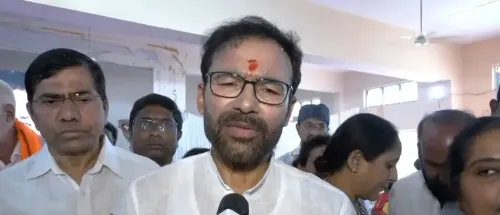
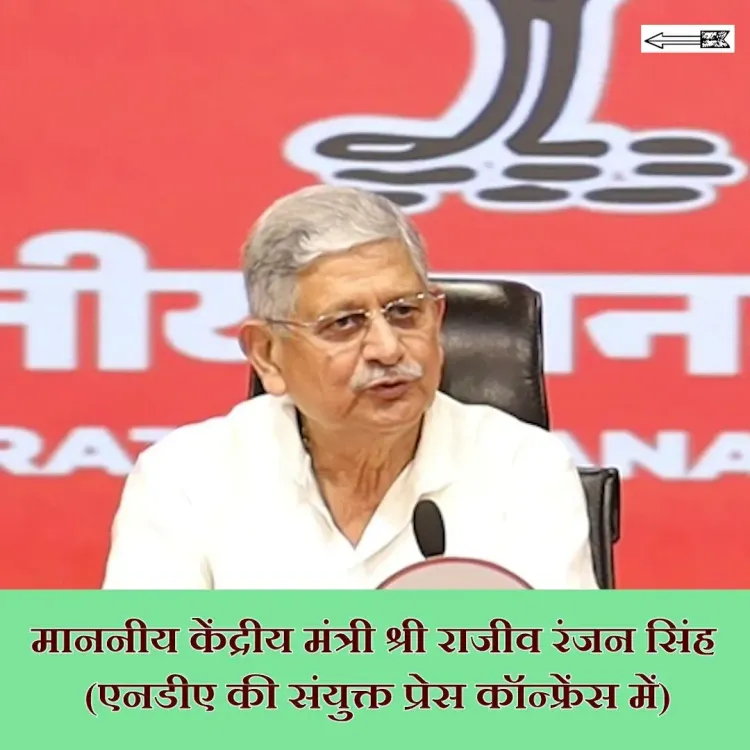
Union Minister Rajiv Ranjan Singh (Lalan Singh) accused Rahul Gandhi of engineering anarchy to grab power, comparing him to his grandmother Indira Gandhi who imposed the 1975 Emergency to retain power — a recurring NDA rhetorical frame targeting Congress.
Key Takeaways
Union Minister Lalan Singh posted on X on October 13, 2026 , targeting Rahul Gandhi with a direct historical comparison.
He alleged Gandhi is trying to 'create a state of anarchy' ( anarajkata ki sthiti ) to gain political power.
The parallel drawn is to Indira Gandhi 's imposition of the Emergency under Article 352 in June 1975 , which lasted 21 months until March 1977 .
Singh framed the two Gandhis as mirror images: one used power to keep office, the other allegedly seeks disorder to attain it.
The rhetoric follows an established NDA pattern of invoking the 1975 Emergency to characterise Congress as institutionally authoritarian.
The ghost of June 1975 is back in the political arena — invoked this time not in a history classroom but in a sharp broadside from Union Panchayati Raj and Fisheries Minister Rajiv Ranjan Singh, who on Tuesday, October 13, 2026, drew a direct line between Indira Gandhi's imposition of the Emergency and what he characterised as Rahul Gandhi's alleged pursuit of anarchy to reach power.
Posting on X in Hindi, the senior Janata Dal (United) leader wrote: 'Jis tarah unki daadi ne apni satta bachane ke liye poore desh mein aapatkaal laga diya, usi tarah Rahul Gandhi ji aaj satta paane ke liye anarajkta ki sthiti paida karna chah rahe hain.' In translation: 'Just as his grandmother imposed Emergency across the entire country to protect her power, Rahul Gandhi today wants to create a state of anarchy in order to gain power.'
The Emergency shadow in Indian political memory
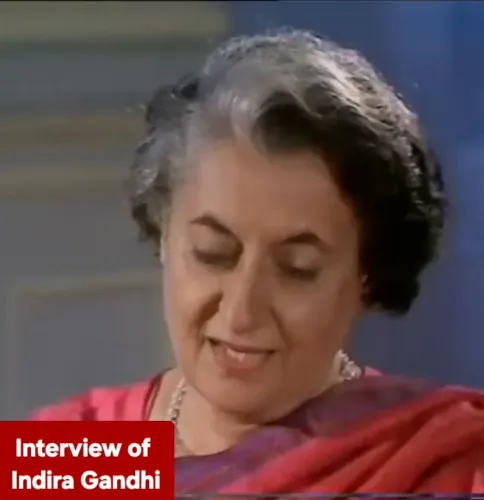
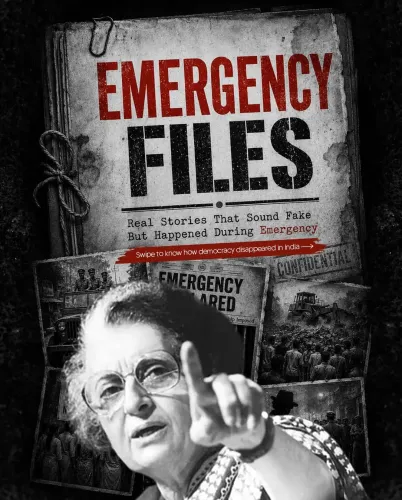
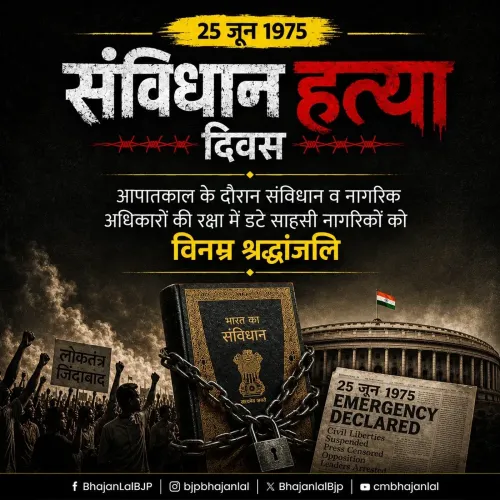
The reference Lalan Singh reaches for carries significant historical weight. On 25 June 1975, then-Prime Minister Indira Gandhi invoked Article 352 of the Constitution, citing internal disturbance, suspending civil liberties and concentrating executive authority in a manner that remains one of independent India's most contested episodes. The Emergency lasted 21 months, ending in March 1977. For NDA leaders, it has long served as the sharpest point on the rhetorical compass when targeting the Congress — a shorthand for the party's alleged authoritarian instincts.
Ruling-coalition figures have returned to this well repeatedly across electoral cycles, deploying the Emergency analogy whenever opposition tactics are framed as destabilising or extra-constitutional. Lalan Singh's post fits squarely within that established pattern — but his specific framing is pointed: where Indira Gandhi used state power to keep power, he argues her grandson is prepared to use disorder to gain it. The inversion is deliberate.
Rahul Gandhi in the crosshairs, again
Rahul Gandhi, the Congress leader who has emerged as the most prominent face of opposition politics in recent years, has been a recurring target of NDA attacks. Singh's post does not specify which recent action by Gandhi prompted the comparison — the research background does not independently verify a particular trigger event. What is clear is the political register: the charge of 'anarchy' (anarajkata) is a serious escalation in vocabulary, designed to reframe opposition activity as a threat to public order rather than a legitimate democratic contest.
Congress has historically responded to Emergency comparisons by defending the constitutional record of the Indira era or redirecting attention to current governance. Whether party spokespersons or Rahul Gandhi himself respond to this particular salvo — and in what forum — will determine how far this exchange travels.
In Indian political warfare, history is rarely just history. When a minister invokes 1975 in 2026, the target is always the present — and the audience is watching to see who blinks first.
Point of View
Rahul allegedly uses chaos to win it — Singh sharpens the attack beyond the standard template. The deployment of the word 'anarchy' is significant: it moves the charge from political ambition into the territory of public-order threat, a framing that can resonate with voters who prioritise stability. Whether Congress can neutralise this recurring Emergency narrative, rather than merely deflecting it, remains the party's unresolved strategic challenge.
NationPress
13 Oct 2026
Frequently Asked Questions
What did Lalan Singh say about Rahul Gandhi on October 13 2026?
Union Minister Lalan Singh posted on X accusing Rahul Gandhi of wanting to create a state of anarchy to come to power, comparing the move to his grandmother Indira Gandhi's decision to impose a national Emergency in 1975 to protect her own power.
What was the Emergency of 1975?
The Emergency was a 21-month period from June 1975 to March 1977 when Prime Minister Indira Gandhi invoked Article 352 of the Constitution citing internal disturbance, suspending civil liberties and centralising authority — widely regarded as one of the darkest chapters in Indian democratic history.
Why do NDA leaders frequently bring up the 1975 Emergency?
Ruling-coalition figures cite the 1975 Emergency as evidence of Congress's alleged authoritarian instincts, using it as a recurring rhetorical frame to question the party's democratic credentials whenever opposition tactics are framed as disruptive or unconstitutional.
Has Rahul Gandhi or Congress responded to Lalan Singh's post?
No verified response from Rahul Gandhi or official Congress spokespersons has been confirmed at the time of publication. Any reply during parliamentary proceedings or on social media would be a key development to follow.