Lalan Singh Reviews PMMSY Progress, Hands Out Cheques in Sikkim
Synopsis
Union Fisheries Minister Rajiv Ranjan Singh visited the District Administrative Centre in Mangan, Sikkim, on 2 November 2026, reviewing PMMSY implementation, distributing cheques to fish farmers, and collecting ground-level feedback on scheme execution gaps.
Key Takeaways
Rajiv Ranjan Singh (Lalan Singh) visited the District Administrative Centre, Mangan, Sikkim on 2 November 2026 .
He inspected stalls covering fisheries, animal husbandry, and dairying at the DAC.
The minister reviewed progress under the Pradhan Mantri Matsya Sampada Yojana (PMMSY) , launched in May 2020 with an outlay of over Rs 20,000 crore .
Cheques were distributed directly to fish farmers at the event.
Stakeholder feedback on implementation problems was collected on the ground.
The visit reflects a broader pattern of central ministers auditing scheme delivery at district level in northeastern states.
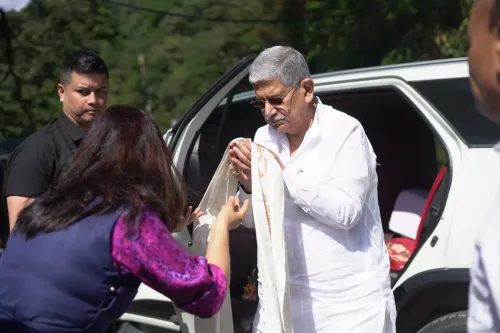
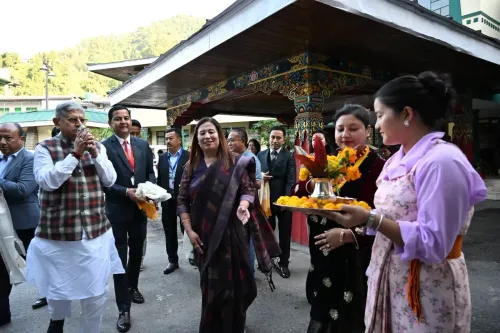
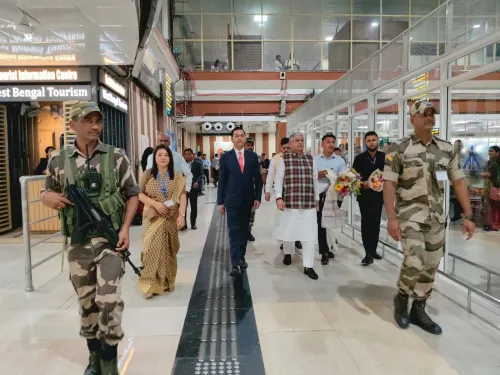
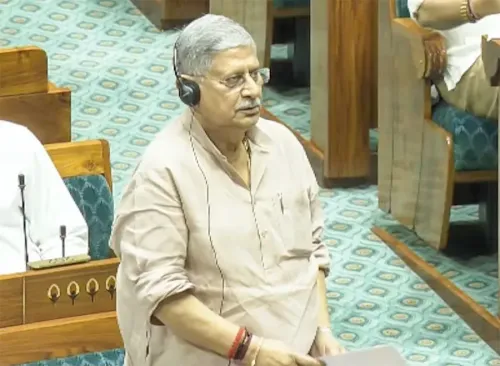
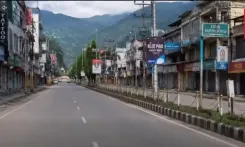
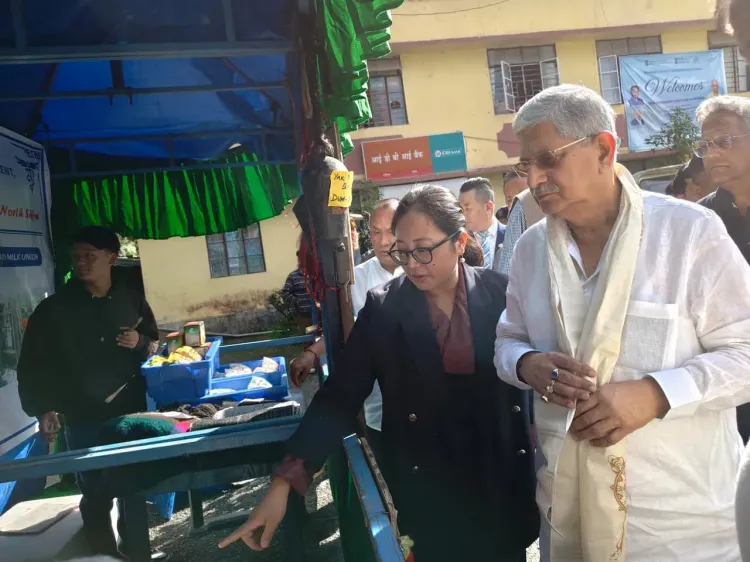
High in the mountains of Mangan, Sikkim, Union Panchayati Raj and Fisheries Minister Rajiv Ranjan Singh — popularly known as Lalan Singh — walked the stalls of the District Administrative Centre (DAC) on Monday, 2 November 2026, inspecting fisheries, animal husbandry, and dairying exhibits and placing himself directly in front of the people the government's schemes are meant to reach.
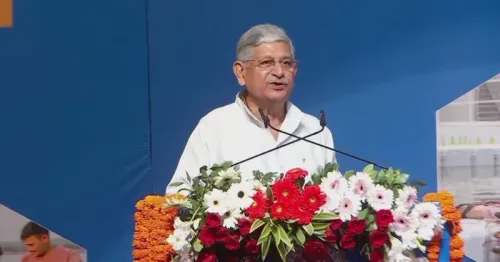
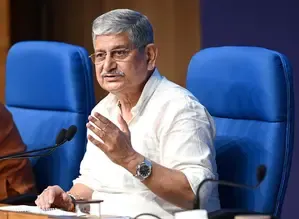
The minister inspected stalls at the DAC in Mangan, reviewed progress under the Pradhan Mantri Matsya Sampada Yojana (PMMSY), distributed cheques to fish farmers, and collected on-the-ground feedback from sector stakeholders on implementation bottlenecks — all in a single district visit that signals renewed attention to the Northeast's fisheries potential.
PMMSY Under the Scanner in Sikkim's Hills
Launched in May 2020 with a total outlay of over Rs 20,000 crore, the PMMSY is the central government's flagship push to modernise fisheries, expand production, and build out value chains across every state and union territory. The scheme carries a deliberate focus on hilly and remote regions — precisely the terrain Sikkim occupies.
Mangan, the headquarters of Mangan district, is one of the more remote administrative nodes in Sikkim. A ministerial review there is not a routine press-conference exercise — it means the bureaucratic loop reaches all the way down to district officials, local fish farmers, and the last-mile delivery of funds. The cheque distribution to beneficiaries on the day makes the point concrete.
Feedback at Source — Closing the Execution Gap
Singh did not just inspect; he listened. The minister explicitly collected feedback from fisheries stakeholders on problems in scheme implementation — a structured grievance-capture exercise that central ministries deploy to surface the kind of friction that official reports rarely capture: delayed disbursements, documentation hurdles, cold-chain gaps.
Union ministers periodically tour northeastern states to audit central-scheme delivery at district level. The Northeast's geography makes that supervision both more necessary and more difficult. A direct field visit to a district as remote as Mangan compresses the feedback loop that would otherwise take months to travel upward through state and central layers.
The Department of Fisheries and the Department of Animal Husbandry and Dairying — both tagged by Singh in his post — are the implementing arms under his ministry, and their coordination at the state level in Sikkim will determine whether the momentum from this visit translates into faster disbursal and resolved complaints.
With PMMSY reviews now visibly reaching Sikkim's district headquarters, the question for fisheries officials is simple: how quickly can the feedback loop close?
Point of View
Which has a heavy capital outlay but uneven last-mile delivery in hilly states, such field reviews are critical to diagnosing where funds stall. The Northeast has long been a priority focus area for fisheries development, and Lalan Singh's presence in one of Sikkim's remotest district headquarters sends a signal about ministerial ownership of implementation. The direct cheque distribution is also politically legible: it anchors the scheme's abstract figures in a human transaction.
NationPress
2 Nov 2026
Frequently Asked Questions
What is the Pradhan Mantri Matsya Sampada Yojana (PMMSY)?
PMMSY is a central government flagship scheme launched in May 2020 with an outlay of over Rs 20,000 crore to modernise fisheries, enhance fish production, and develop value-chain infrastructure across all states and union territories, with special attention to hilly and remote regions.
Why did Lalan Singh visit Mangan in Sikkim?
Union Fisheries Minister Rajiv Ranjan Singh visited the District Administrative Centre in Mangan on 2 November 2026 to inspect fisheries and animal husbandry stalls, review PMMSY implementation progress, distribute cheques to fish farmers, and collect feedback from stakeholders on scheme execution challenges.
What is the significance of a ministerial visit to Mangan district?
Mangan is the headquarters of one of Sikkim's more remote districts. A ministerial review there ensures central-scheme monitoring reaches district-level officials and beneficiaries directly, helping surface implementation bottlenecks that formal reports often miss.
How does PMMSY benefit fish farmers in the Northeast?
PMMSY provides financial assistance, infrastructure support, and value-chain development for fish farmers in all states including northeastern hilly regions. Beneficiaries receive direct financial transfers — as seen in the cheque distribution during the Mangan visit — to support fisheries activities.