Air India Flight 171 crash: Lawyer challenges RAT timeline in probe report
Synopsis
A US lawyer representing over 130 Air India Flight 171 victims has submitted Boeing 787 simulator data to American and British aviation authorities, arguing that the Ram Air Turbine may have deployed before — not after — the fuel cutoff, potentially pointing to an earlier fault that the preliminary report did not identify.
Key Takeaways
Michael Andrews of Beasley Allen Law Firm submitted simulator test data to the FAA , US Department of Transportation , and UK AAIB on 11 June .
He represents more than 130 clients injured or bereaved in the Air India Flight 171 crash.
The preliminary report placed RAT hydraulic power generation at 4–5 seconds after fuel interruption; simulator tests suggest it took approximately 18 seconds .
Andrews argues the discrepancy implies the RAT deployed before the fuel cutoff , possibly indicating an earlier, separate fault.
Security camera images reportedly show the RAT already deployed while VT-ANB was still on the runway before take-off.
The crash on 12 June 2024 killed 241 of 242 people on board and 19 on the ground; the final investigation report has no set publication date.
An American lawyer representing more than 130 survivors and bereaved families of Air India Flight 171 has submitted flight simulator test data to aviation authorities in the United States and the United Kingdom, contending that the findings may contradict key elements of the timeline set out in the preliminary investigation report into the Ahmedabad crash. The submission, dated 11 June, was made by D. Michael Andrews of the Beasley Allen Law Firm in Montgomery, Alabama.
What the Simulator Tests Found
Andrews said a series of tests were conducted in a certified full-motion Boeing 787 flight simulator to examine the timing of the aircraft's Ram Air Turbine (RAT) deployment and its power generation relative to changes in the fuel system. According to Andrews, the simulator tests produced results that diverge from the sequence described in the Aircraft Accident Investigation Bureau (AAIB) preliminary report.
The preliminary report stated that fuel system interruption occurred at 08:08:42 UTC and that the RAT hydraulic pump began supplying hydraulic power approximately four to five seconds later, with flight recorder data placing RAT hydraulic power generation at around 08:08:47 UTC. The simulator testing, by contrast, indicated that RAT-generated power was not produced until approximately 18 seconds after fuel system interruption.
The Core Legal Argument
On the basis of this discrepancy, Andrews argued that 'if the reported timestamps are accurate and the simulator results reflect real-world performance, the RAT would have needed to deploy several seconds before the fuel interruption occurred.' The letter contends that such a scenario could suggest the RAT deployment was not triggered by fuel system changes, but may instead have been associated with an earlier, as-yet-unidentified fault.
Andrews also referred to still images extracted from airport security camera footage which, he said, appeared to show the RAT already deployed while the aircraft was still on the runway, before rotation for take-off. He noted that the preliminary report itself included photographs showing the RAT deployed during the aircraft's initial climb immediately after lift-off.
What the Preliminary Report Said
The AAIB preliminary report, released in July 2025, found that shortly after the aircraft — a Boeing 787-8 registered as VT-ANB — became airborne, both engine fuel control switches transitioned from the RUN position to CUTOFF one second apart, resulting in a loss of fuel supply to both engines. Cockpit voice recordings captured one pilot asking the other why he had 'cut off', with the second pilot replying that he had not done so. The switches were subsequently returned to RUN and engine relight attempts began, but the aircraft was unable to recover altitude.
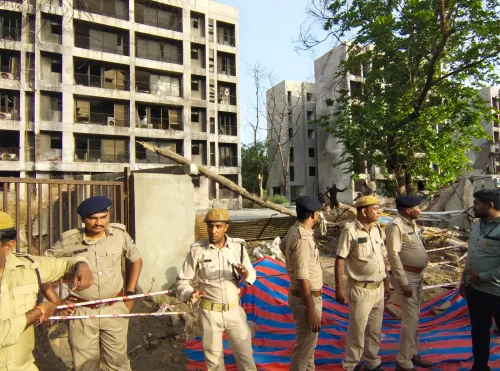
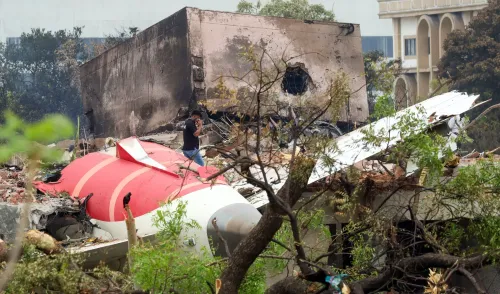
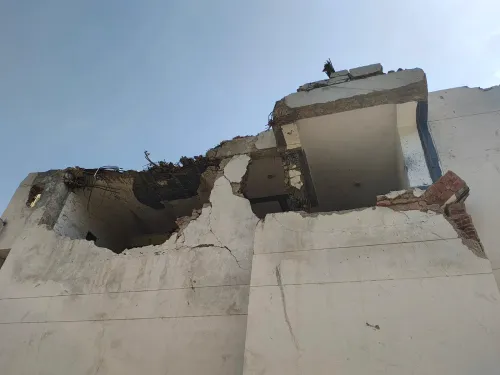
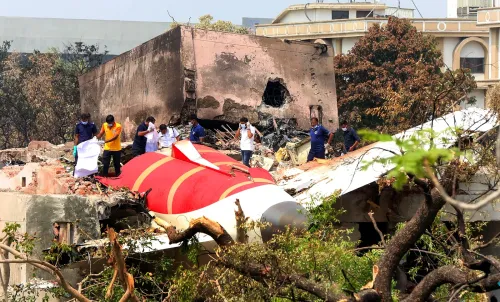
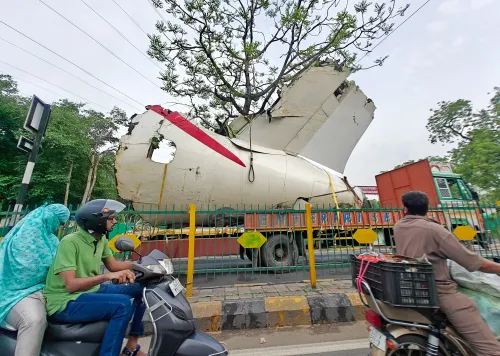
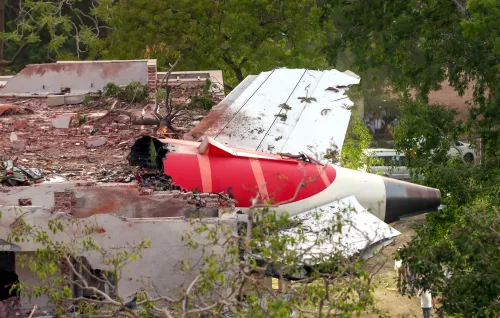
Flight 171 crashed less than a minute after take-off from Ahmedabad on 12 June 2024, while operating a scheduled service to London Gatwick. The accident killed 241 of the 242 people on board and 19 people on the ground, making it one of the deadliest aviation disasters in recent Indian history.
Where the Investigation Stands
The submission was forwarded to the US Department of Transportation, the Federal Aviation Administration (FAA), and the UK Air Accidents Investigation Branch (AAIB) for evaluation as part of their involvement in the ongoing probe. On the first anniversary of the crash, the AAIB confirmed that significant work had been completed on flight data, engine examinations, maintenance records, and operational documentation, but said no timeline had been set for publication of the final report. The investigation remains ongoing.
Point of View
But courtroom-commissioned simulator runs and certified accident investigation findings are methodologically distinct. What the submission does achieve is placing the RAT deployment question formally on the record with the FAA and AAIB, making it harder to set aside in the final report. With the AAIB having offered no publication timeline a full year after the crash, the families' legal pressure may now be one of the few forcing functions on the pace of disclosure.
NationPress
14 Sept 2026
Frequently Asked Questions
What is the RAT timeline dispute in the Air India Flight 171 crash probe?
The dispute centres on when the aircraft's Ram Air Turbine (RAT) deployed relative to the fuel system interruption. The AAIB preliminary report placed RAT hydraulic power generation approximately 4–5 seconds after the fuel cutoff at 08:08:42 UTC, but simulator tests commissioned by a victims' lawyer indicated the RAT took around 18 seconds to generate power — a gap that, if accurate, would imply the RAT deployed before the fuel interruption, not as a consequence of it.
Who is D. Michael Andrews and who does he represent?
D. Michael Andrews is a lawyer with the Beasley Allen Law Firm in Montgomery, Alabama. He represents more than 130 clients who were injured or lost family members in the Air India Flight 171 crash on 12 June 2024.
What did the AAIB preliminary report say about the crash?
The AAIB preliminary report, released in July 2025, found that both engine fuel control switches moved from RUN to CUTOFF one second apart shortly after take-off, cutting fuel to both engines. Cockpit voice recordings showed one pilot asking the other why he had 'cut off', with the second denying having done so. Engine relight attempts failed and the aircraft could not recover altitude.
How many people died in the Air India Flight 171 crash?
The crash killed 241 of the 242 people on board and 19 people on the ground, making it one of the deadliest aviation disasters in recent Indian history. The aircraft, a Boeing 787-8 registered as VT-ANB, went down less than a minute after take-off from Ahmedabad on 12 June 2024.
When will the final investigation report into Air India Flight 171 be published?
No timeline has been set. On the first anniversary of the crash, the AAIB confirmed that significant work had been completed on flight data, engine examinations, maintenance records, and operational documentation, but did not indicate when the final report would be released. The investigation remains ongoing.