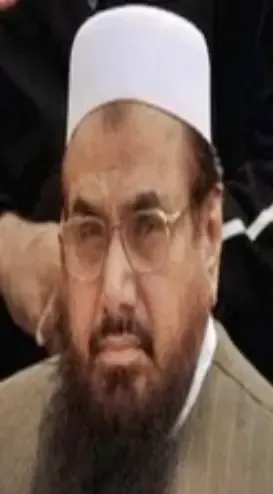
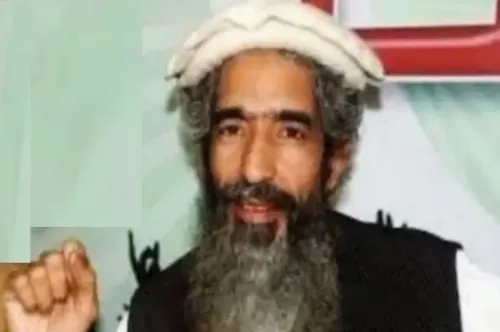
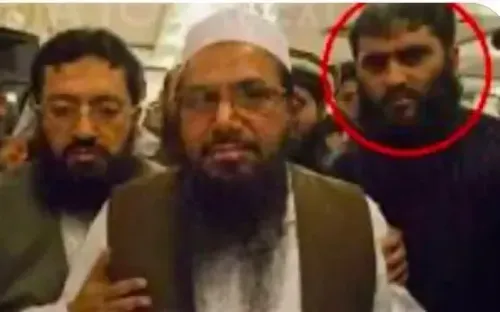
LeT Commander Sheikh Yousuf Afridi Killed in Pak: Hafiz Saeed's Key Aide Shot Dead
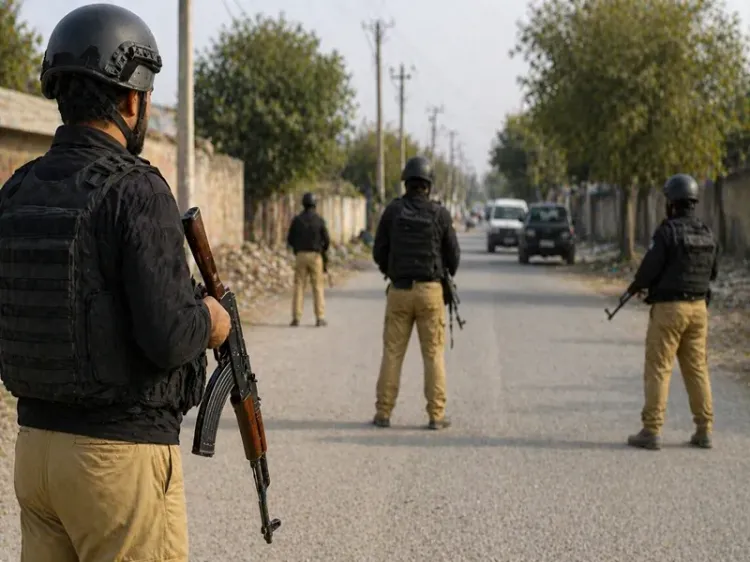
Synopsis
Lashkar-e-Taiba commander Sheikh Yousuf Afridi, a close aide of Hafiz Saeed, has been shot dead in Pakistan's Khyber Pakhtunkhwa — the latest in a chilling series of targeted killings of high-profile militant figures across Pakistan since 2023, raising urgent questions about who is behind the assassinations.
Key Takeaways
Sheikh Yousuf Afridi , a Lashkar-e-Taiba commander and close associate of Hafiz Saeed , was shot dead by unidentified gunmen in Khyber Pakhtunkhwa, Pakistan .
Afridi served as a key operational link in LeT's regional network in Khyber Pakhtunkhwa , bordering Afghanistan.
His killing is part of a broader pattern since 2023 , with multiple LeT and Hizbul Mujahideen-linked figures assassinated across Pakistan in 2026 alone .
Amir Hamza , a founding LeT member, was recently injured in a gun attack in Lahore , while Abu Qatal was killed in Jhelum in March last year.
Muhammad Tahir Anwar , brother of JeM chief Maulana Masood Azhar , also reportedly died in Pakistan last month under unclear circumstances.
Pakistani authorities have not officially attributed responsibility; motives may include internal militant rivalries or covert operations .
Lashkar-e-Taiba (LeT) commander Sheikh Yousuf Afridi, a close associate of Hafiz Saeed, was shot dead by unidentified gunmen in Pakistan's Khyber Pakhtunkhwa province in what investigators are treating as a targeted killing. The assassination adds to a growing and alarming pattern of attacks on high-profile militant figures across Pakistan since 2023. Afridi was reportedly ambushed with multiple rounds fired at close range, leaving him no chance of survival.
Who Was Sheikh Yousuf Afridi
Afridi was considered a key operational link within Lashkar-e-Taiba's network in Khyber Pakhtunkhwa, reportedly maintaining direct ties with LeT co-founder Hafiz Saeed. His role extended beyond ground-level operations — he was described by security analysts as a critical node in LeT's regional command structure in the volatile northwestern province bordering Afghanistan.
Lashkar-e-Taiba, co-founded by Saeed, is a Pakistan-based Islamist militant organisation designated as a terrorist group by the United Nations Security Council, as well as by India, the United States, and the United Kingdom. The group has been linked to several high-casualty attacks, including the 2008 Mumbai attacks that killed over 166 people.
A Deepening Pattern of Militant Killings Since 2023
Afridi's death is far from an isolated incident. Since 2023, Pakistan has witnessed a striking surge in targeted killings of individuals linked to banned militant organisations, with incidents reported across major cities including Lahore, Karachi, Jhelum, and Abbottabad. Notably, multiple individuals associated with groups such as Lashkar-e-Taiba and Hizbul Mujahideen have been killed in 2026 alone.
This is not the first time a Saeed associate has been targeted. In March last year, Abu Qatal, also known as Qatal Sindhi — a Lashkar-e-Taiba commander linked to attacks in Jammu and Kashmir — was reportedly shot dead by unidentified gunmen in Pakistan's Jhelum district. Earlier, Sheikh Jaleel-ur-Rahman, Secretary of the United Jihad Council, was found dead under unclear circumstances in Abbottabad, Khyber Pakhtunkhwa.
Other Recent Attacks on Militant Figures
The violence has not been limited to LeT. Amir Hamza, a founding member of LeT and member of its Central Advisory Committee, was recently injured when unidentified motorcyclists opened fire on his car in Lahore. According to the US Treasury Department, Hamza maintained links with multiple organisations under Saeed's direction and led an LeT-linked charity associated with a trust headed by Saeed.
Additionally, Muhammad Tahir Anwar, the elder brother of Jaish-e-Mohammed (JeM) chief Maulana Masood Azhar, was reported to have died in Pakistan last month under circumstances described as unclear. He was said to have been actively associated with JeM's activities. This comes amid heightened scrutiny of Pakistan's militant ecosystem both domestically and by international watchdogs.
What Afridi's Killing Means for LeT's Network
Security analysts argue that Afridi's elimination will likely disrupt LeT's command and logistics network in Khyber Pakhtunkhwa, at least in the short term. The province, which borders Afghanistan, has long been a strategic corridor for militant movement and recruitment. Losing a figure of Afridi's stature could create a vacuum — or trigger internal power struggles — within the organisation's regional structure.
Critics argue that the frequency and geographic spread of these killings suggest either internal militant rivalries, a covert state-level operation, or a combination of both — though Pakistani authorities have not officially attributed responsibility for any of these incidents. The exact motive behind Afridi's killing remains under investigation. As Pakistan grapples with these recurring targeted assassinations, the broader question of whether the country's militant networks are fracturing from within or being systematically dismantled remains unanswered.
Point of View
Pakistan's militant ecosystem is being systematically picked apart, yet Islamabad has offered no credible explanation for who is orchestrating these assassinations. The silence itself is telling. Whether this reflects internal power struggles within jihadi networks, a covert state-level purge to manage international pressure, or third-party intelligence operations, the implications for India's security calculus — particularly in Jammu and Kashmir — are profound and demand serious strategic attention from New Delhi.
NationPress
5 Oct 2026
Frequently Asked Questions
Who was Sheikh Yousuf Afridi?
Sheikh Yousuf Afridi was a Lashkar-e-Taiba commander based in Pakistan's Khyber Pakhtunkhwa province and a close associate of LeT co-founder Hafiz Saeed. He was considered a key operational figure in LeT's regional network in the northwestern province.
How was Sheikh Yousuf Afridi killed?
Afridi was shot dead by unidentified gunmen in what investigators are treating as a targeted killing in Khyber Pakhtunkhwa, Pakistan. He was reportedly ambushed with multiple rounds fired at close range, leaving him no chance of escape.
Is this part of a larger pattern of militant killings in Pakistan?
Yes, Afridi's killing is part of a growing pattern of targeted assassinations of militant figures in Pakistan since 2023. Multiple individuals linked to Lashkar-e-Taiba, Hizbul Mujahideen, and Jaish-e-Mohammed have been killed or attacked in 2026 alone.
Who else linked to Hafiz Saeed has been targeted recently?
LeT founding member Amir Hamza was recently injured in a gun attack in Lahore, and LeT commander Abu Qatal was shot dead in Jhelum district in March last year. Sheikh Jaleel-ur-Rahman of the United Jihad Council was also found dead in Abbottabad under unclear circumstances.
What impact will Afridi's death have on Lashkar-e-Taiba?
Afridi's killing is likely to disrupt LeT's command and logistics network in Khyber Pakhtunkhwa, at least in the short term. Security analysts say his death could trigger internal power struggles within the organisation's regional structure.