CM Dhami Hails Lok Sabha Passage of Vande Mataram Protection Bill

Synopsis
The Lok Sabha passed the Prevention of Insults to National Honour (Amendment) Bill, 2026, giving Vande Mataram statutory protection equal to the national anthem. Uttarakhand CM Pushkar Singh Dhami praised the move as a matter of national pride, crediting PM Modi's leadership.
Key Takeaways
The Lok Sabha passed the Prevention of Insults to National Honour (Amendment) Bill, 2026 on 30 July 2026 .
The bill proposes giving Vande Mataram the same statutory protection currently enjoyed by the national anthem Jana Gana Mana .
Insulting Vande Mataram or obstructing its singing would become a punishable offence under the amended law.
The amendment builds on the Prevention of Insults to National Honour Act, 1971 , which already covers the flag, anthem, and Constitution.
Vande Mataram was adopted as India's national song in 1950 , but has historically lacked equivalent legal standing to the national anthem.
The bill must still clear the Rajya Sabha before it can become enforceable law.
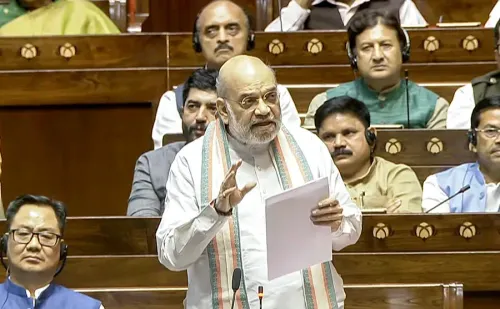
A song that carried millions into the freedom struggle may soon carry the full weight of the law behind it. On Thursday, 30 July 2026, the Lok Sabha passed the Prevention of Insults to National Honour (Amendment) Bill, 2026, extending statutory protection to Vande Mataram — India's national song — placing it on equal legal footing with the national anthem Jana Gana Mana. Uttarakhand Chief Minister Pushkar Singh Dhami called the passage a moment of pride for every Indian.
Welcoming the development on X, CM Dhami wrote: 'Vande Mataram kevl ek geet nahin, balki karon bharteeyon ki rashtrbhakti, swabhiman aur matrubhumi ke prati samarpan ka amar udghos hai' — 'Vande Mataram is not merely a song, but the immortal proclamation of the patriotism, self-respect, and devotion to the motherland of crores of Indians.' He credited Prime Minister Narendra Modi with making the protection of national identity and cultural heritage a supreme priority.
What the Amendment Actually Changes
The foundation for this bill is the Prevention of Insults to National Honour Act, 1971, which already penalises insults to the national flag, the national anthem, and the Constitution. The 2026 amendment brings Vande Mataram — adopted as the national song in 1950 — under that same legal umbrella. Under the amended law, insulting the song or obstructing its singing would become a punishable offence, mirroring existing protections for Jana Gana Mana.
The distinction between the two songs has long been a point of legal and symbolic debate. While Jana Gana Mana held enforceable statutory status, Vande Mataram — despite its deeper roots in the independence movement — occupied a more ambiguous legal position. The amendment, if enacted into law after clearing the Rajya Sabha, would close that gap.
Vande Mataram's Journey From Rebellion to Parliament
Vande Mataram was composed by Bankim Chandra Chattopadhyay in his 1882 novel Anandamath and became the rallying cry of the independence movement, sung at protests, in jails, and on the streets against colonial rule. The Constituent Assembly adopted it as the national song in January 1950, recognising its historical and emotional weight even as Jana Gana Mana was designated the national anthem.
This legislative move fits a broader pattern of successive governments reinforcing the legal and symbolic architecture around national identity markers — the flag, the anthem, and now the national song. The bill's passage through the lower house is the first step; its fate in the Rajya Sabha and the shape of its enforcement rules will determine how the protection works in practice.
For now, the lower house has spoken — and a song born in defiance of empire may soon be shielded by the republic it helped build.
Point of View
But lacked equivalent statutory teeth. By amending the 1971 Act, the ruling dispensation advances a consistent cultural-nationalist legislative agenda that resonates with its core voter base. The real test will be in the Rajya Sabha and in how enforcement provisions are drafted — overly broad implementation could raise questions about free expression, a tension that courts may eventually be asked to resolve.
NationPress
14 Sept 2026
Frequently Asked Questions
What is the Prevention of Insults to National Honour Amendment Bill 2026?
It is a bill passed by the Lok Sabha on 30 July 2026 that amends the Prevention of Insults to National Honour Act, 1971, to extend the same legal protection already given to the national anthem Jana Gana Mana to the national song Vande Mataram, making its insult or obstruction a punishable offence.
What is the difference between India's national anthem and national song?
Jana Gana Mana is India's national anthem, adopted in January 1950, and carries full statutory protection. Vande Mataram is the national song, also adopted in 1950, but has historically had a less defined legal status — a gap the 2026 amendment seeks to close.
What did CM Pushkar Singh Dhami say about the Vande Mataram bill?
CM Dhami called the bill's passage a matter of pride for every Indian, describing Vande Mataram as 'the immortal proclamation of the patriotism, self-respect, and devotion to the motherland of crores of Indians,' and credited PM Modi's leadership for prioritising national symbols.
Has the Vande Mataram protection bill become law?
As of 30 July 2026, the bill has passed the Lok Sabha. It still needs to clear the Rajya Sabha and receive Presidential assent before it becomes enforceable law.
What law currently protects India's national anthem and flag?
The Prevention of Insults to National Honour Act, 1971, penalises insults to the national flag, national anthem, and Constitution of India. The 2026 amendment proposes adding Vande Mataram to this protected list.