Life Sentences for Three Al-Qaeda-Linked Terrorists in Lucknow
Synopsis
A court in Lucknow has sentenced three terrorists affiliated with Al-Qaeda's Ansar Ghazwat-ul-Hind to life imprisonment for their conspiracy to carry out bomb attacks across Uttar Pradesh and beyond. This ruling underlines the severe consequences of terrorism in India.
Key Takeaways
Three terrorists linked to Al-Qaeda sentenced to life imprisonment.
Conviction based on conspiracy to carry out bomb attacks .
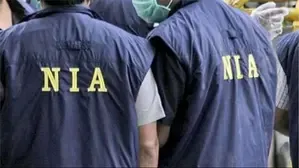
Investigation led by the NIA following initial inputs from the Uttar Pradesh ATS .
Evidence included explosives, firearms, and digital material .
Highlights ongoing efforts to combat terrorism in India.
Lucknow/Delhi, April 14 (NationPress) A court in Lucknow has handed down life sentences to three individuals connected to the Al-Qaeda-linked terror group Ansar Ghazwat-ul-Hind (AGH) for plotting a series of bomb attacks across Uttar Pradesh and other regions in India.
Special Judge (NIA/ATS) Jitendra Kumar Pandey found Minhaj Ahmad, also known as Minhaj, Musiruddin, referred to as Musir or Raju, and Tauheed Ahmad Shah, known as Sobu Shah, guilty in a case managed by the National Investigation Agency (NIA).
The court determined that the defendants were culpable under several sections of the Indian Penal Code, the Unlawful Activities (Prevention) Act, the Explosive Substances Act, and the Arms Act.
As per the prosecution's claims, the convicts were involved in an Al-Qaeda in Indian Subcontinent (AQIS) cell established in Lucknow under the guidance of a handler based near the Pakistan/Afghanistan border, Umar Helmandi.
The investigation revealed that this terror cell aimed to execute bombings and fidayeen-style assaults on government facilities, sensitive sites, landmarks, and crowded areas in Uttar Pradesh, especially in Lucknow, ahead of August 15, 2021.
During the inquiry, the NIA/ATS seized explosives, including a cooker bomb, firearms, and other crucial evidence.
The prosecution presented to the court that the defendants had pledged allegiance to the outlawed terror group, disseminated extremist and jihadi propaganda online, and were actively involved in recruiting and radicalizing others for terrorist activities.
In its ruling, the court noted that the defendants had plotted against the sovereignty, unity, and integrity of India by amassing weapons and explosives for terrorist activities, justifying severe punishment.
Musiruddin and Minhaj received life sentences under Sections 121A and 122 of the IPC as well as Section 20 of the UAPA, alongside other sentences under various provisions.
Tauheed Ahmad Shah was similarly sentenced to life imprisonment under Sections 121A and 122 IPC. All sentences are to run concurrently, and time previously spent in custody during the trial will be deducted from the sentence, as per the court's order.
The initial investigation commenced by the Uttar Pradesh ATS in July 2021 following intelligence alerts regarding the presence of an Al-Qaeda-inspired terror cell operating from Lucknow, which was subsequently taken over by the NIA.
The anti-terror agency has filed charge sheets and supplementary charge sheets against the accused following a thorough investigation involving witness testimonies, digital evidence, forensic analyses, and discoveries made during raids.
Point of View
The Lucknow court has imposed life sentences on three individuals tied to a dangerous Al-Qaeda-linked terror module. This case highlights the ongoing threat of terrorism in India and the judiciary's commitment to safeguarding national security. The ruling serves as a reminder of the importance of vigilance and action against extremist ideologies.
NationPress
20 Sept 2026
Frequently Asked Questions
What was the basis for the life sentences given to the terrorists?
The life sentences were based on their involvement in a conspiracy to execute bomb attacks in Uttar Pradesh and their affiliation with the Al-Qaeda-linked group Ansar Ghazwat-ul-Hind.
Who conducted the investigation into the terror plot?
The investigation was initially launched by the Uttar Pradesh ATS and was later taken over by the National Investigation Agency (NIA).
What evidence was collected during the investigation?
The investigation resulted in the recovery of explosives, firearms, and incriminating digital evidence.
What laws were the accused convicted under?
The accused were convicted under various sections of the Indian Penal Code, the Unlawful Activities (Prevention) Act, and the Explosive Substances Act.
When did the investigation into the terror module begin?
The investigation began in July 2021 following intelligence inputs regarding the Al-Qaeda-inspired terror module operating from Lucknow.