Madhya Pradesh Vulture Census: 1,127 in Panna, 735 in Shivpuri
Synopsis
Discover the latest findings from Madhya Pradesh's vulture census, revealing positive population trends and conservation successes in Panna and Shivpuri districts. This significant data highlights the effectiveness of ongoing efforts to protect these majestic birds.
Key Takeaways
1,127 vultures recorded in South Panna.
735 vultures documented in Shivpuri district.
Identification of multiple vulture species.
Positive trends in conservation strategies.
Importance of community involvement in wildlife protection.
Bhopal, February 22 (NationPress) - The initial phase of the vulture census in Madhya Pradesh has documented 1,127 vultures in the South Panna forest division, while 735 vultures were recorded in Shivpuri district, showcasing stable populations and ongoing conservation achievements, as stated by forest officials on Sunday.
According to officials, the census in the South Panna division was conducted by dedicated forest staff and volunteers, who meticulously cataloged vultures across various forest ranges and cliff areas recognized for nesting.
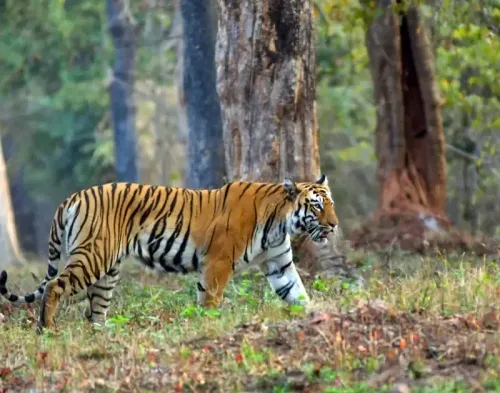
In the Shivpuri district, forest authorities noted a count of 735 vultures throughout diverse forest regions, indicating consistent population patterns and secure habitat situations. This district encompasses vital conservation areas, including Madhav National Park, which has recently been designated as the state’s ninth tiger reserve.
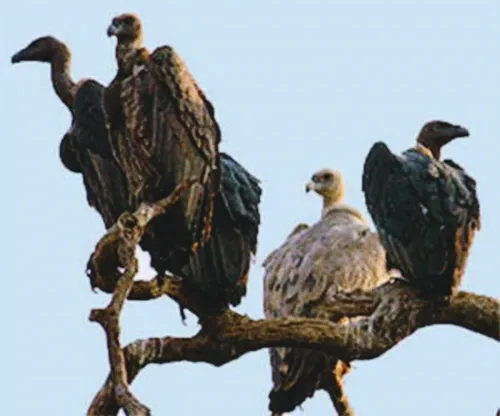
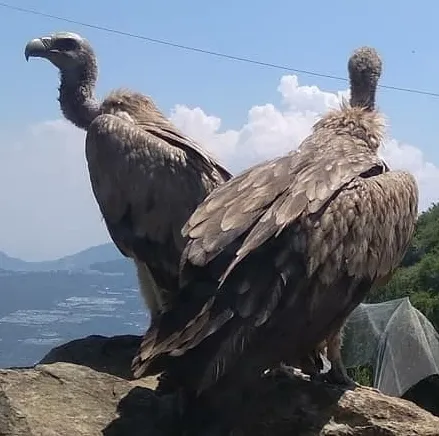
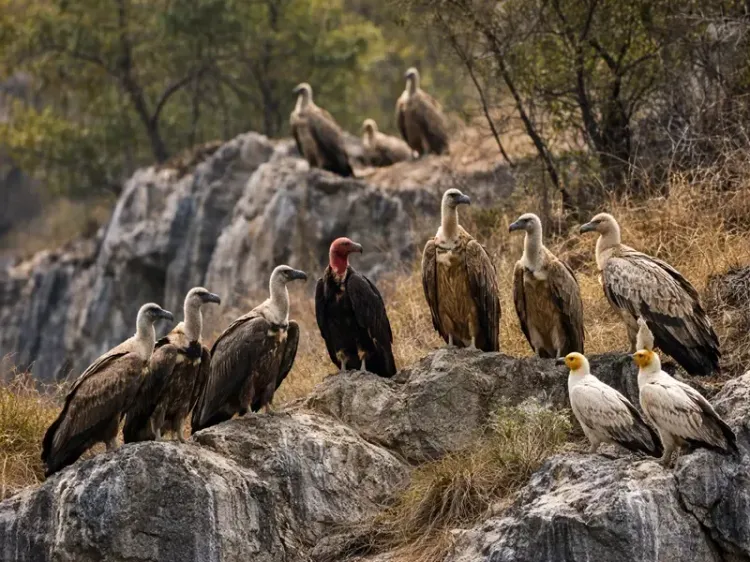
During the survey, officials identified multiple vulture species, such as the Indian Long-billed Vulture, Red-headed Vulture, Egyptian Vulture, Eurasian Griffon, and Himalayan Griffon. These species comprise both resident and migratory types that thrive in cliffs, wooded regions, and open terrains across the area.
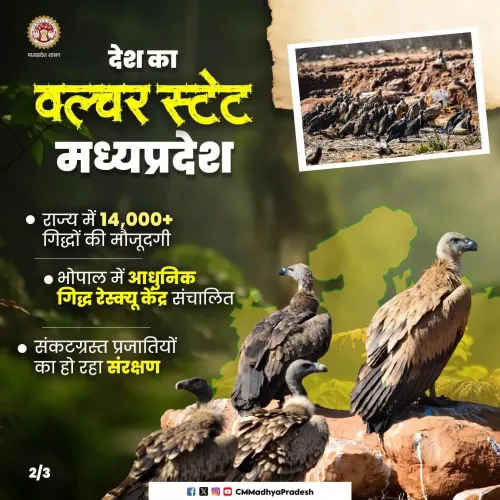
Madhya Pradesh has emerged as a critical sanctuary for vulture conservation, bolstered by favorable habitat conditions, ample food supplies, and continuous protective initiatives.
This census is part of a comprehensive state and national monitoring strategy aimed at observing vulture populations, which previously experienced significant declines due to poisoning from veterinary medications like diclofenac and various environmental hazards.
Recent statistics reveal a consistent increase in the state's vulture populace. The forest department reported 12,981 vultures during the first phase of the 2025 census, an increase from 10,845 in 2024 and 8,397 in 2019. This figure has nearly doubled from about 7,000 vultures documented in the initial census conducted in 2016.
Forest officials credit the growth to ongoing conservation efforts, which include implementing a ban on diclofenac, habitat preservation, the establishment of breeding centers, and enhanced community involvement.
The first phase of the census, which generally occurs during the winter season, is focused on counting vultures and analyzing their distribution, while subsequent phases will assess breeding behavior and long-term population dynamics.
Officials noted that the insights gained from the current census will be instrumental in shaping future conservation strategies and reinforcing existing protective measures.
Point of View
The recent vulture census in Madhya Pradesh indicates a positive trend in wildlife conservation. The recorded numbers not only reflect stable populations but also highlight successful efforts in habitat protection and community engagement. These developments are crucial for the broader ecological landscape.
NationPress
7 Oct 2026
Frequently Asked Questions
What is the significance of the vulture census in Madhya Pradesh?
The vulture census is crucial for assessing the health of vulture populations, which have faced severe declines in the past. It helps guide conservation strategies and ensure the survival of these species.
How many vultures were recorded in the census?
The census recorded 1,127 vultures in the South Panna forest division and 735 in Shivpuri district.
What species of vultures were identified during the census?
Species identified include the Indian Long-billed Vulture, Red-headed Vulture, Egyptian Vulture, Eurasian Griffon, and Himalayan Griffon.
What measures have contributed to the increase in vulture populations?
Key measures include the ban on diclofenac, habitat protection, breeding center establishment, and increased community participation.
What is the overall trend in vulture populations in Madhya Pradesh?
Recent data shows a steady increase in vulture populations in the state, reflecting successful conservation efforts.