Madras HC revives Tamil Nadu toddy ban debate after 38 years
Synopsis
A judicial observation from the Madras High Court's Madurai Bench has done what years of advocacy could not — pushed Tamil Nadu's 38-year toddy ban back into public debate. With neighbouring states earning revenue from regulated toddy sales and palmyra trees facing neglect, the question is whether the state will finally move from prohibition to a licensed, health-conscious framework.
Key Takeaways
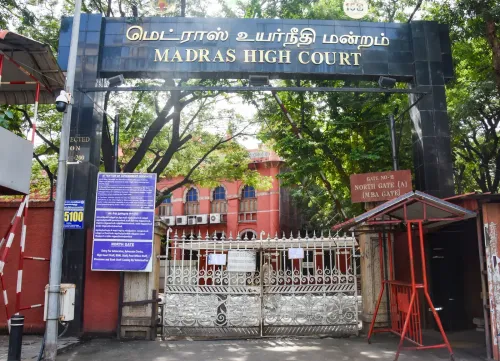
Madras High Court's Madurai Bench , led by Justice B.
Pugalendhi , on 15 June suggested the Tamil Nadu government encourage toddy tapping and promote the beverage's nutritional value.
Tamil Nadu has maintained a ban on toddy tapping and sale since 1 January 1987 — nearly 38 years .
Neighbouring states Kerala , Andhra Pradesh , Telangana , and Puducherry permit regulated toddy sales through licensed outlets.
Tamil Nadu Toddy Movement Coordinator C.
Nallasamy called on Chief Minister C.
Joseph Vijay to lift the ban, citing rural economy and palmyra conservation benefits.
Agricultural economist A.
Palanichamy noted toddy's low alcohol content from natural fermentation and the revenue model it has generated in neighbouring states.
The Madras High Court's Madurai Bench has reignited a long-dormant debate over Tamil Nadu's nearly four-decade-old prohibition on toddy tapping and sale, after Justice B. Pugalendhi suggested during a hearing on 15 June that the state government explore concrete measures to encourage toddy production and promote the traditional beverage. The remarks, made while adjudicating a case linked to a toddy tapper in Tenkasi, have energised farmers, toddy tappers, agricultural experts, and rural livelihood advocates across the state.
Background: A Ban in Place Since 1987
Tamil Nadu banned toddy tapping and its sale effective 1 January 1987, citing concerns over adulteration and public health. The prohibition has remained in force for 38 years, making it one of the longest-standing such bans in peninsular India. Notably, neighbouring states — Kerala, Andhra Pradesh, Telangana, and Puducherry — continue to regulate and permit toddy sales through licensed outlets, with some having introduced value-added and flavoured toddy products in recent years.
What the Court Said
During the proceedings, Justice Pugalendhi urged the government to devise a framework that would encourage toddy tapping while also highlighting the beverage's nutritional and other beneficial attributes. The observation stopped short of directing a policy change but carried the weight of judicial nudge — enough to bring stakeholders back to the table. The bench's remarks were made in the context of a case involving a toddy tapper from Tenkasi district, underscoring the direct livelihood dimension of the issue.
Voices in Favour of Lifting the Ban
Tamil Nadu Toddy Movement Coordinator C. Nallasamy welcomed the court's remarks, saying his organisation had long demanded the ban's withdrawal. 'We have raised this demand before successive governments, and now place it before Chief Minister C. Joseph Vijay. Lifting the ban will significantly boost the rural economy and support thousands of families dependent on palmyra and coconut-based occupations,' he said. Nallasamy also argued that toddy should be classified as a traditional food product rather than merely an alcoholic beverage, and that the government should align its approach with that of neighbouring states.
Agricultural economist A. P. Palanichamy noted that toddy has been embedded in rural food culture for generations and carries relatively low alcohol content due to natural fermentation. He pointed to the substantial revenue that regulated toddy sales generate in Kerala and Andhra Pradesh, where authorities have also diversified into value-added products.
The Palmyra Dimension
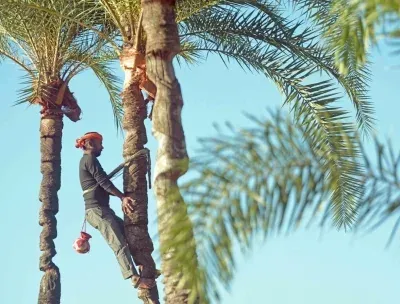
Nallasamy emphasised that palmyra trees — the primary source of toddy in Tamil Nadu — are ecologically significant, requiring little water and thriving across diverse climatic conditions. Advocates argue that a regulated toddy industry could serve a dual purpose: generating rural income while incentivising the conservation of a tree species that underpins several traditional industries. The absence of a commercial market for palmyra sap, they contend, has accelerated the neglect and felling of these trees across the state.
What Stakeholders Are Asking For
With the High Court's observations providing fresh impetus, stakeholders are urging the Tamil Nadu government to examine whether a regulated toddy framework — with built-in public health safeguards, licensed outlets, and quality controls — can coexist with existing prohibition norms. The demand is not for deregulation but for a structured, state-supervised model similar to those operating in neighbouring jurisdictions. Whether the C. Joseph Vijay administration will act on the judicial nudge or maintain the status quo remains to be seen.
Point of View
Not a directive — but in Tamil Nadu's politically sensitive liquor policy landscape, even a nudge carries weight. What is striking is that the ban has persisted for 38 years while neighbouring states have built regulated, revenue-generating toddy industries. The palmyra conservation argument adds an environmental layer that is harder for the government to dismiss. The real question is whether the Vijay administration will treat this as an opportunity to craft a public-health-conscious licensed model, or default to inertia ahead of electoral calculations around prohibition politics.
NationPress
23 Sept 2026
Frequently Asked Questions
Why is Tamil Nadu's toddy ban back in the news?
The ban is back in focus after the Madras High Court's Madurai Bench suggested on 15 June that the Tamil Nadu government explore ways to encourage toddy tapping and market the beverage. The remarks were made during a hearing involving a toddy tapper from Tenkasi district.
When did Tamil Nadu ban toddy tapping and sale?
Tamil Nadu banned toddy tapping and its sale effective 1 January 1987, citing adulteration concerns. The ban has been in place for nearly 38 years, making it one of the longest-standing such prohibitions in the region.
Which states allow toddy sales near Tamil Nadu?
Kerala, Andhra Pradesh, Telangana, and Puducherry all permit regulated toddy sales through licensed outlets. Some of these states have also introduced value-added and flavoured toddy products, generating significant state revenue.
What do toddy tappers and advocates want?
Advocates, including the Tamil Nadu Toddy Movement, are urging Chief Minister C. Joseph Vijay to lift the ban and adopt a licensed, state-supervised model with quality controls — similar to those in neighbouring states. They argue this would boost rural incomes and help conserve palmyra trees.
What is the significance of palmyra trees in this debate?
Palmyra trees are the primary source of toddy sap in Tamil Nadu and are ecologically valuable — requiring little water and supporting multiple traditional industries. Advocates argue that without a commercial market for palmyra sap, these trees are being neglected and felled, making regulated toddy production a conservation tool as well.