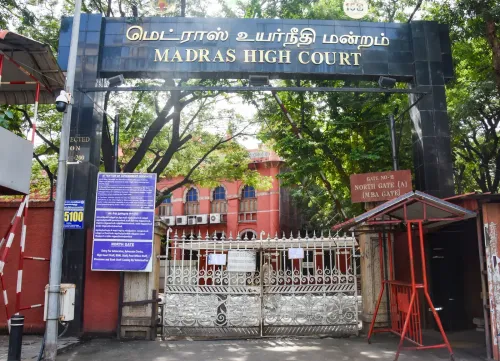
Madras HC clears Madurai kabaddi tournament with strict conditions
Synopsis
The Madras High Court said yes to a Madurai kabaddi tournament — but with a rulebook that bans alcohol, criminal participants, communal slogans, and even provocative clothing. The order hands police the power to shut the event down on the spot if conditions are breached, turning a local sports fixture into a closely watched test of community governance.
Key Takeaways
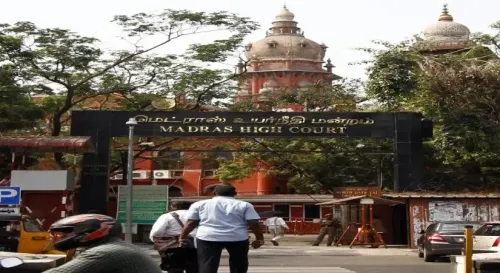
The Madurai Bench of the Madras High Court permitted a kabaddi tournament at Madhaikalam village on 29 and 30 August , between 6 am and 10 pm .
Victoria Gowri passed the order on a petition by Mukesh of Sholavandan , after police declined to grant permission.
Participants with pending criminal cases are barred; consumption of alcohol or narcotic substances is prohibited.
Slogans, banners, and clothing referencing political parties, caste, community, or religion are explicitly banned at the venue.
Police are empowered to stop the tournament and initiate legal action if any condition is violated.
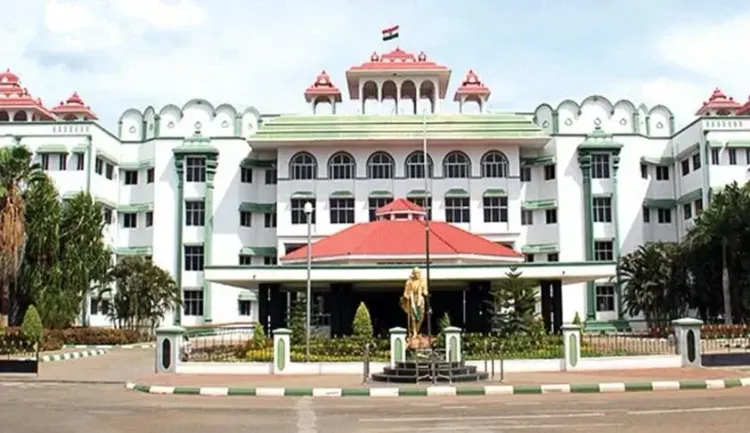
The Madurai Bench of the Madras High Court has granted permission for a kabaddi tournament in Madurai district, laying down a comprehensive set of conditions to guard against substance abuse, communal mobilisation, and threats to public order. The ruling comes after the police had initially declined to permit the event.
What the Court Ordered
Justice L. Victoria Gowri allowed the tournament to be held at Madhaikalam village on 29 and 30 August, between 6 am and 10 pm each day. The order was passed on a petition filed by Mukesh of Sholavandan, who had sought permission and police protection to organise the competition at Madhaikalam in Sangankottai village, Sholavandan, after the police refused to grant clearance.
Key Conditions Imposed
The court directed organisers to ensure that no participant consumed alcohol or narcotic substances during the event. Individuals with pending criminal cases are barred from taking part. Participants have also been prohibited from wearing clothing that carries objectionable or provocative statements, or images of political or religious leaders.
The raising of slogans or chants in support of or against any political party, political leader, caste, community, or religion has been explicitly prohibited. Songs that praise religious figures or could hurt religious sentiments must not be played at the venue. No flex boards, banners, or hoardings referencing any particular community or leader may be erected in or around the tournament grounds.
Organisers Bear Full Responsibility
The court placed the burden of maintaining discipline squarely on the organisers. They are required to cooperate with the police and take adequate steps to prevent clashes, provocative conduct, or any other disturbances. The directions are explicitly designed to ensure that the sporting event is not used to advance political, caste-based, communal, or religious interests.
Police Powers and Enforcement
The police have been empowered to monitor the tournament and intervene immediately if any of the restrictions are breached. Authorities may register cases or take other legal measures against those responsible for violations. Notably, the court has also authorised the police to halt the tournament entirely if they conclude that its continuation poses a threat to public order or communal harmony.
The ruling reflects a broader pattern of courts balancing the right to hold community sporting events against the need to prevent their use as platforms for social or political assertion — a tension that has surfaced repeatedly in Tamil Nadu in recent years. Whether the conditions can be practically enforced over a two-day outdoor event will be the real test of this order.
Point of View
Music, banners, slogans, and the sobriety of players — signals how fraught community sporting events have become in Tamil Nadu, where caste and political identity routinely spill onto public grounds. The court is essentially deputising the police as event managers, a role they are ill-equipped to play with precision over two days. If the tournament proceeds without incident, the conditions will be cited as a template; if it doesn't, the question will be why permission was granted at all given the preconditions required to make it safe.
NationPress
5 Oct 2026
Frequently Asked Questions
Why did the Madras High Court need to intervene in a kabaddi tournament?
The police had initially refused to grant permission for the tournament, prompting organiser Mukesh of Sholavandan to petition the Madurai Bench of the Madras High Court. Justice L. Victoria Gowri allowed the event subject to a detailed set of conditions designed to prevent communal or political tensions.
When and where will the Madurai kabaddi tournament be held?
The tournament is scheduled for 29 and 30 August at Madhaikalam village in Sangankottai, Sholavandan, Madurai district. It will run from 6 am to 10 pm on both days.
What are the key restrictions placed on the tournament?
Participants must not consume alcohol or narcotics, and those with pending criminal cases cannot compete. Communal or political slogans, provocative clothing, religious songs, and banners referencing any caste, community, or leader are all banned at the venue.
What powers do the police have during the tournament?
The court has empowered police to monitor the event and intervene immediately if any condition is breached. They can register cases against violators and are authorised to halt the tournament entirely if its continuation is deemed a threat to public order or communal harmony.
Who is responsible if the conditions are violated?
The organisers bear primary responsibility for ensuring compliance with all court-imposed conditions. They must cooperate with police and take proactive steps to prevent clashes or provocative conduct during the two-day event.