Maha Cabinet clears 90-day MPID tribunal for fraud cases

Synopsis
Maharashtra's Cabinet, chaired by CM Devendra Fadnavis, has cleared an independent MPID Tribunal with a 90-day deadline to dispose of deposit-fraud cases. The same sitting approved ₹5,548 crore for Narmada-Tapi and three months of free grain for over 42 lakh BPL farmers.
Key Takeaways
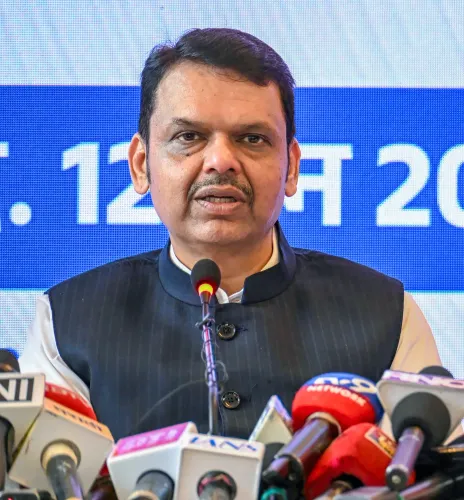
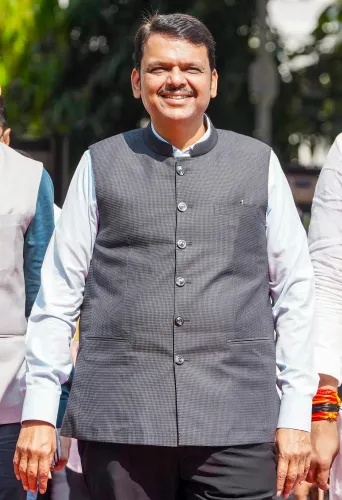
The Maharashtra Cabinet , chaired by CM Devendra Fadnavis , on 25 November approved an independent MPID Tribunal with a 90-day case-disposal limit.
Property attachment of financial establishments accused of fraud is to be expedited under the MPID amendment.
On 1 July , a separate MPID package had already covered cryptocurrencies, NFTs, adjournment limits and a 50% pre-appeal deposit.
4,230,783 BPL farmers across 33 districts not on DBT will get 5 kg free foodgrains for three months.
The Cabinet granted ₹5,548 crore for the Narmada-Tapi Diversion Scheme in Nandurbar , covering 26,526 hectares and 11.50 MW .
The draft Maharashtra Private Aided Schools (Regulation) Bill, 2026 , was cleared for introduction in the legislature.
The Maharashtra Cabinet, chaired by Chief Minister Devendra Fadnavis, on Wednesday, 25 November approved an amendment to the Maharashtra Protection of Interest of Depositors (in Financial Establishments) Act to create an independent MPID Tribunal and fix a 90-day limit for disposing of fraud cases. The decision, taken in Mumbai, is meant to speed up attachment of properties of financial establishments accused of fraud.
Independent tribunal and a 90-day clock
The approved amendment provides for a standalone MPID Tribunal, rather than leaving deposit-fraud matters only with existing Designated MPID Courts. A statutory 90-day outer limit for disposal is intended to compress timelines that have typically stretched through adjournments and attachment disputes.
The Cabinet said the process of attaching properties of institutions involved in financial fraud will be expedited. For depositors awaiting recovery, the most visible change is the three-month disposal mandate, which will apply only after the amendment is passed and notified.
How this differs from the July MPID reforms
This is not the first MPID rewrite of the year. On 1 July, the Maharashtra Legislature passed a separate set of amendments that did not create a new tribunal or a 90-day disposal limit. Those enacted reforms focused on digital assets and procedural bottlenecks in the existing Designated MPID Courts.
Notably, the July package expanded the definition of deposit under Section 2(c) to cover cryptocurrencies, NFTs and other virtual digital assets, allowing authorities to attach and liquidate them at market value. It introduced limits on adjournments in designated courts, mandated that accused financial establishments deposit 50% of their aggregate liability before appealing attachment or recovery orders, and paired the legal changes with plans for dedicated district-level financial monitoring units to detect fraudulent investment schemes early.
Wednesday's decision therefore sits on top of that July architecture. Digital-asset coverage and the 50% appeal condition remain; a specialised tribunal and a 90-day clock are now being added. This is the second major MPID intervention by the Fadnavis government in a single year, underscoring how deposit-taking frauds continue to occupy the state's legislative calendar.
Foodgrains for 42 lakh farmers and Narmada-Tapi outlay
In the same sitting, the Cabinet decided that 4,230,783 farmers below the poverty line across 33 districts under the National Food Security Act — who are not included in the DBT scheme — will receive 5 kg of free foodgrains per person for the next three months. Distribution will be in the ratio of 3 kg of rice and 2 kg of wheat.
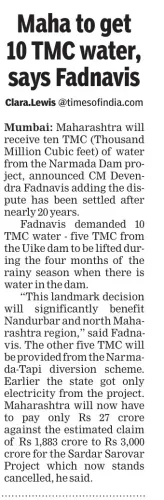
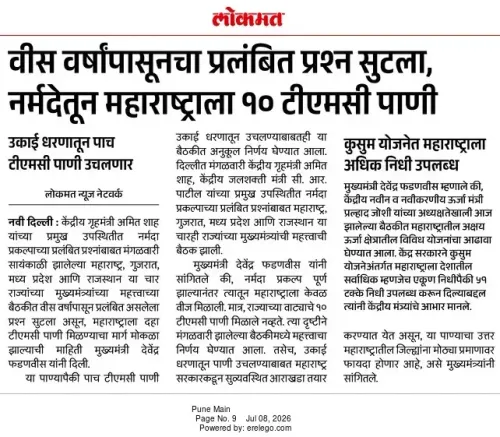
The Cabinet also granted a financial provision of ₹5,548 crore for the Narmada-Tapi Diversion Scheme in Nandurbar district. Six diversion weirs are planned, which are expected to irrigate about 26,526 hectares and generate 11.50 MW of electricity.
Revenue courts, hostels, stamps and private schools
A Revenue Court Case Management System will be implemented for quasi-judicial proceedings in the Revenue Department, with a One District, One Appeal provision to dispose of cases. Approval has been given to amend the Maharashtra Land Revenue Code, 1966, for this purpose.
Economically weaker section students (EBC, SEBC, EWS) pursuing professional degree courses in Health Sciences will receive allowances at revised rates under the Dr Panjabrao Deshmukh Hostel Maintenance Allowance Scheme, with a substantial increase in food, accommodation and subsistence allowances. Teaching and non-teaching staff included in the Shalarth system will get financial empowerment facilities through Non-Banking Financial Companies registered with the RBI.
The Cabinet cleared amendments to Sections 32(B) and 53(1A) of the Maharashtra Stamp Act to bring uniformity to adjudication fees and appeal fees, with the bill approved for introduction in the upcoming legislative session. It also approved amendments to the Kavikulaguru Kalidas Sanskrit University (Ramtek) Act, 1997, and the Yashwantrao Chavan Maharashtra Open University (Nashik) Act, 1989, to standardise terminology on the appointment of the Registrar, statutes, the Finance and Accounts Committee, the Building and Works Committee, and annual reports and accounts.
The draft of the Maharashtra Private Aided Schools (Regulation) Bill, 2026, was approved for introduction, as part of a comprehensive law to regulate private aided schools. Amendments were also cleared to the Maharashtra Mathadi, Hamal and Other Manual Workers (Regulation of Employment and Welfare) Act, 1969, and the Maharashtra Private Security Guards (Regulation of Employment and Welfare) Act, 1981.
Health pay, public services and Mouda land
The acupuncture therapy system will be excluded from the National Commission for Allied and Healthcare Professions Act, 2021, with a draft amendment bill approved. Librarians in private aided Ayurveda and Unani colleges will receive 7th Pay Commission benefits on par with full-time librarians in government medical, dental and Ayurveda colleges, and the revised pay structure is to be implemented as per the Pay Commission's recommendations.
The Cabinet approved amendments to the Maharashtra Right to Public Services Act, 2015, to be tabled in the legislature, and cleared allotment of government land to the Mouda Nagar Panchayat in Nagpur district for an administrative building.
Bills arising from Wednesday's decisions are expected in the forthcoming legislative session. The independent MPID Tribunal and the 90-day disposal mandate will take effect only after the amendment is enacted and notified — a process depositors, designated courts and the proposed tribunal's staffing plan will now watch closely.
Point of View
But Maharashtra has spent years attaching properties of failed deposit-taking firms while recovery has lagged. A tribunal without a published caseload, staffing plan or disposal-rate baseline risks another statutory deadline that is treated as directory rather than binding. The July crypto-and-50% package and this tribunal are complementary on paper; the real test is whether attachment converts into money in depositors' accounts. Stacking that rewrite with a ₹5,548 crore Narmada-Tapi outlay and three months of grain for 42 lakh NFSA farmers left off DBT will also test how much legislative bandwidth the next session actually has.
NationPress
25 Nov 2026
Frequently Asked Questions
What did the Maharashtra Cabinet approve on the MPID Act?
The Cabinet, chaired by Chief Minister Devendra Fadnavis, approved an amendment to set up an independent MPID Tribunal and a 90-day time limit for disposing of deposit-fraud cases. The change is also meant to expedite attachment of properties of accused financial establishments.
How is this different from the July MPID amendments?
The 1 July amendments did not create a new tribunal or a 90-day disposal limit; they expanded the definition of deposit to cryptocurrencies, NFTs and other virtual digital assets, capped adjournments, and required a 50% pre-appeal deposit. Wednesday's decision adds a specialised tribunal and a statutory 90-day clock on top of that framework.
When will the 90-day MPID tribunal take effect?
The independent tribunal and the 90-day disposal mandate will take effect only after the amendment is passed by the legislature and notified. Related bills from the Cabinet sitting are expected in the forthcoming legislative session.
What is the Narmada-Tapi Diversion Scheme approved by the Cabinet?
It is an irrigation and power project in Nandurbar district for which the Cabinet granted ₹5,548 crore. Six diversion weirs are planned, expected to benefit about 26,526 hectares and generate 11.50 MW of electricity.
Who will get free foodgrains under the Cabinet decision?
Some 4,230,783 farmers below the poverty line across 33 districts, covered under the National Food Security Act but not included in DBT, will receive 5 kg of free foodgrains per person for three months. The ration is 3 kg of rice and 2 kg of wheat.