MPSC overhaul: Maharashtra govt faces long road after aspirants end 11-day protest
Synopsis
Eleven days of anger in Pune just forced Maharashtra's hand. MPSC Chairman Vivek Bhimanwar is on indefinite leave, a retired Bombay High Court judge is heading an inquiry, and the state government is racing to prove that this time the overhaul is real — not just another bureaucratic delay dressed as reform.
Key Takeaways
MPSC aspirants in Pune suspended an 11-day protest on 12 October 2026 after the Maharashtra government announced key concessions.
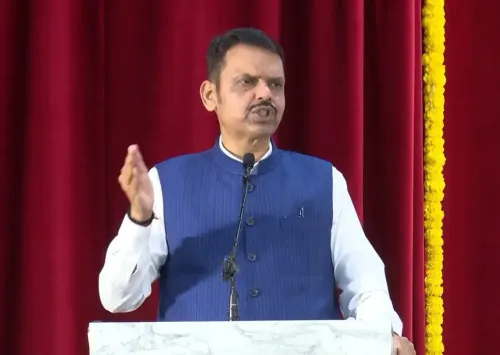
MPSC Chairman Vivek Bhimanwar announced on X at 1.24 am on Monday that he was going on indefinite leave pending investigations.
The government formed a judicial inquiry panel headed by Justice Dilip Bhosale , retired judge of the Bombay High Court , to probe paper leaks and board functioning.
Commission secretary Mahendra Harpalkar was removed as an early concession; FDA Commissioner Tukaram Munde was named the panel's secretary.
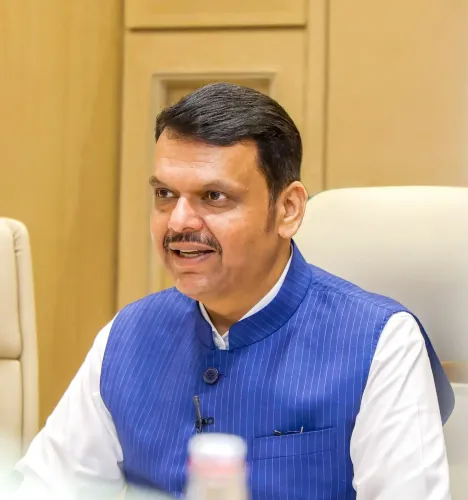
Chief Minister Devendra Fadnavis cited Article 317 of the Constitution to explain why the chairman cannot be directly removed without a presidential reference.
Student factions remain watchful, with observers warning that accountability must follow swiftly or anger risks reigniting.
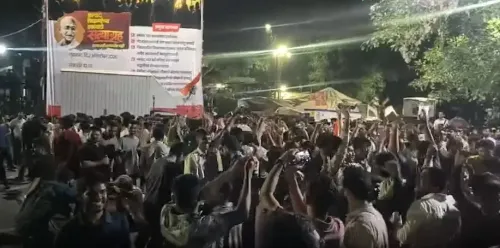
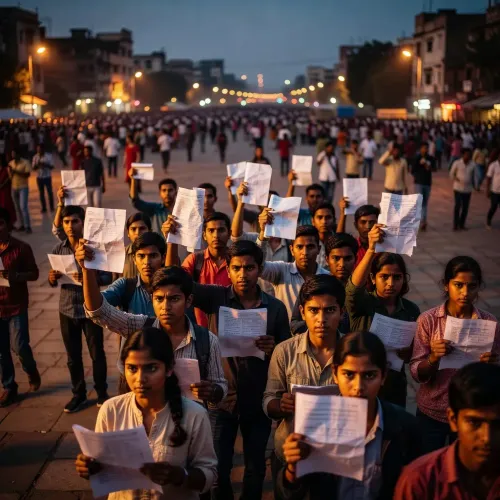
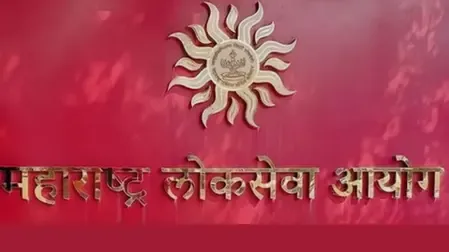
The Maharashtra Public Service Commission (MPSC) faces a sweeping accountability reckoning after thousands of job aspirants in Pune suspended an 11-day protest on 12 October 2026, having extracted key concessions from the Devendra Fadnavis-led state government. The agitation, rooted in alleged question paper leaks and systemic corruption, has now handed the government a fragile window to undertake structural reforms — or risk a sharper flare-up.
How the Crisis Unfolded
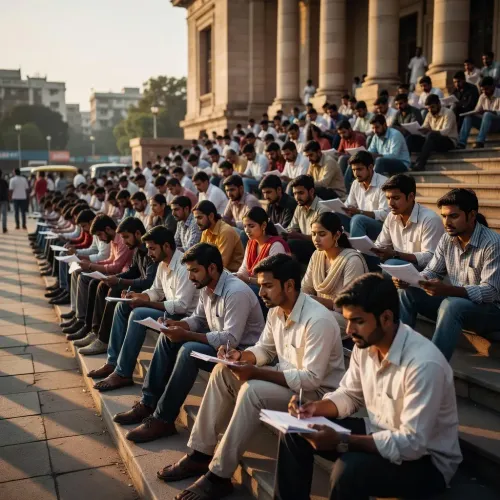
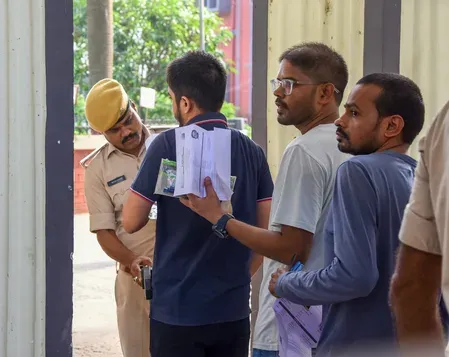
The protest was initially triggered by severe irregularities and alleged paper leaks in recent MPSC examinations — most notably the Food and Drug Administration (FDA) drug inspector posts exam. Aspirants who had spent years in preparation, many living in modest accommodations in Pune and Mumbai at considerable family expense, came to believe the recruitment process was fundamentally compromised.
What began as individual frustration at narrow cut-off margins soon coalesced into collective outrage when evidence of paper leaks and administrative lapses emerged, shifting the narrative from personal failure to systemic corruption. Protesters demanded not just isolated fixes but a top-to-bottom overhaul — from clerical staff to the commission's leadership.
The epicentre was Pune, Maharashtra's competitive coaching hub, where thousands of aspirants — particularly from rural and agrarian backgrounds — regard an MPSC posting as the primary ladder to social mobility. Analysts note that the psychological and financial stakes for this demographic are exceptionally high.
The Core Demand: MPSC Chairman's Removal
Protesters focused their demands on the immediate resignation and removal of MPSC Chairman Vivek Bhimanwar, alongside a review of exam formats — specifically, the balance between objective and descriptive components. Aspirants argued that retaining a figure under scrutiny in a constitutional post during an active corruption inquiry created conditions for evidence tampering.
Chief Minister Fadnavis acknowledged the legal constraint, citing Article 317 of the Constitution, which restricts direct executive removal of a constitutional appointee — requiring instead a formal presidential reference following a Supreme Court inquiry. The government's initial response drew criticism for what protesters described as bureaucratic rigidity, including the issuance of notices and detention of demonstrators.
Government's Response and Key Concessions
As the protest sustained momentum, the government moved to de-escalate. The commission's secretary, Mahendra Harpalkar, was removed in an early concession. More significantly, the government announced a judicial inquiry panel headed by Justice Dilip Bhosale, a retired judge of the Bombay High Court, to probe the functioning of board members and the alleged paper leak incidents. FDA Commissioner Tukaram Munde was appointed as the panel's secretary.
Fadnavis stated that if the inquiry established culpability among the leadership, the state would formally recommend removal to the President. In a pivotal development, MPSC Chairman Vivek Bhimanwar announced on his official X account at 1.24 am on Monday that he was proceeding on indefinite leave until investigations concluded — effectively meeting a primary demand of the agitators. The protests were subsequently called off, though student factions have signalled continued vigilance.
Political Fault Lines
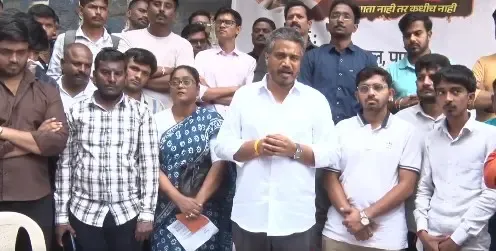
The agitation also became a contested political space. Nationalist Congress Party (Sharadchandra Pawar) MLA Rohit Pawar emerged as the most visible opposition figure, visiting protest sites including the S M Joshi Bridge in Pune, organising dialogue between student delegations and ministers, and threatening a Pune shutdown if demands were not met within tight deadlines. He initially dismissed the government's proposed inquiry committee as a 'diversionary tactic.'
Congress MLA Vishwajeet Kadam also stepped in to champion the students' cause. When police booked participating students over traffic blockages, Rohit Pawar condemned the filing of what he termed 'false FIRs' and demanded that all cases against aspirants be dropped.
The ruling Mahayuti coalition — anchored by the Bharatiya Janata Party (BJP) — pushed back, accusing opposition parties including the NCP (Sharad Pawar faction) and Shiv Sena (UBT) of exploiting vulnerable youth for partisan electoral gains. Fadnavis publicly argued that a legitimate student movement had been 'hijacked' by political actors seeking electoral mileage, a charge the opposition firmly rejected.
The Road Ahead for MPSC Reform
With protests suspended, observers warn that the underlying crisis is far from resolved. They note that rebuilding credibility in public examinations demands a full transition to secure, digitised processes with zero tolerance for manual leak vectors. Structural reforms must include a predictable annual exam calendar to end the chronic uncertainty that traps aspirants in costly preparation limbo.
According to analysts, the interim measures — leadership leaves and judicial probes — must translate into permanent institutional safeguards that insulate the MPSC from political interference and administrative apathy. If the inquiry drags on without delivering accountability, student anger risks reigniting at a larger scale. The government's credibility on youth employment now rests squarely on how swiftly and transparently it acts.
Point of View
Not legitimacy. Placing the MPSC chairman on leave and announcing a judicial panel are tactically sound moves — but they are also classic instruments of deferral in Indian public administration. The protesters are right to remain sceptical: inquiry committees have a long track record in Maharashtra of outlasting public attention without delivering consequences. The deeper problem is structural: an MPSC that remains tethered to political appointment cycles and manual examination processes will keep producing the same crises. If Fadnavis is serious, the test is not the probe's launch but its deadline, its powers, and whether anyone is actually removed or prosecuted at the end of it.
NationPress
12 Oct 2026
Frequently Asked Questions
Why did MPSC aspirants protest in Pune?
Aspirants staged an 11-day protest demanding accountability over alleged paper leaks in MPSC examinations, most notably the FDA drug inspector posts exam, and the removal of MPSC Chairman Vivek Bhimanwar. Years of financial sacrifice and preparation, combined with evidence of systemic corruption, drove thousands of candidates — many from rural Maharashtra — to the streets of Pune.
What concessions did the Maharashtra government offer?
The government removed commission secretary Mahendra Harpalkar, announced a judicial inquiry panel headed by retired Bombay High Court judge Justice Dilip Bhosale, and indicated it would recommend the chairman's removal to the President if the probe established guilt. MPSC Chairman Vivek Bhimanwar separately announced he was going on indefinite leave pending the investigation.
Why can the Chief Minister not simply remove the MPSC Chairman?
Under Article 317 of the Constitution of India, the removal of a constitutional appointee like the MPSC Chairman requires a formal presidential reference following a Supreme Court inquiry — it cannot be done unilaterally by the Chief Minister or the state cabinet. Chief Minister Devendra Fadnavis cited this provision to explain the government's legal constraints.
What role did opposition politicians play in the MPSC protest?
NCP (Sharadchandra Pawar) MLA Rohit Pawar was the most prominent opposition figure, visiting protest sites at S M Joshi Bridge in Pune, condemning police FIRs against students, and threatening a Pune shutdown if demands were unmet. Congress MLA Vishwajeet Kadam also supported the cause. The ruling Mahayuti coalition accused opposition parties of exploiting the students for electoral advantage, a charge the opposition denied.
What reforms are needed to prevent future MPSC crises?
Observers argue that lasting reform requires a full transition to digitised, tamper-proof examination processes, a fixed and transparent annual exam calendar, and institutional independence for the MPSC that insulates it from political interference. The judicial inquiry's findings must be time-bound and lead to genuine accountability — not prolonged deliberation — to restore aspirants' trust.