Maharashtra hospitals ordered to conduct fire and electrical safety audits
Synopsis
Three newborns dead, 36 children evacuated — and now every hospital in Maharashtra is on notice. Health Minister Prakash Abitkar's sweeping audit directive, backed by culpable homicide warnings from the Amravati Guardian Minister, signals that the state is treating this not as an isolated tragedy but as a systemic failure demanding immediate reckoning.
Key Takeaways
Prakash Abitkar , Maharashtra's Public Health Minister, ordered immediate fire, electrical, structural, and equipment safety audits for all government, private, and charitable hospitals on 25 August .
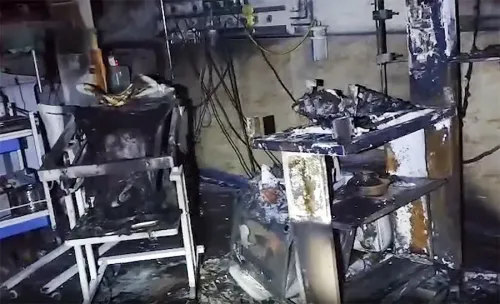
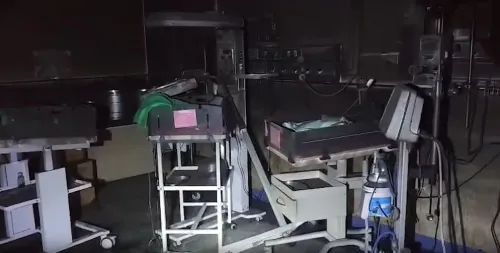
The directive follows the deaths of three newborns who suffocated due to heavy smoke in an Amravati hospital; 36 children were evacuated, six shifted to a private hospital.
Every hospital must conduct a physical fire safety evaluation every six months and appoint a dedicated Nodal Officer for compliance.
ICUs , NICUs , nurseries , and operation theatres have been identified as high-risk units requiring special scrutiny.
Chief Minister Devendra Fadnavis has ordered an inquiry; Guardian Minister Chandrashekhar Bawankule has warned of culpable homicide charges against those found negligent.
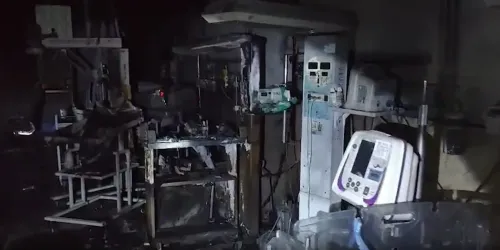
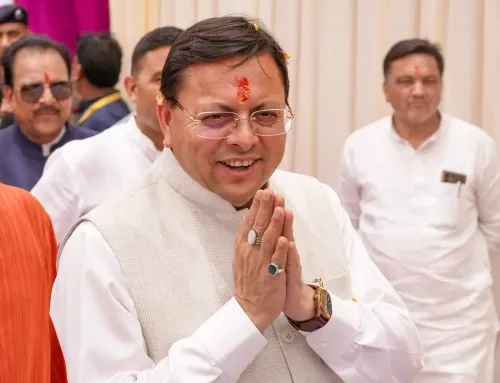
Public Health and Family Welfare Minister Prakash Abitkar on Tuesday, 25 August directed all government, private, and charitable healthcare facilities across Maharashtra to immediately conduct fire, electrical, structural, and equipment safety audits and submit findings directly to the state government. The sweeping directive follows the deaths of three newborns in an Amravati hospital fire incident, in which heavy smoke caused suffocation.
What the Directive Mandates
The order requires every hospital building and block to undergo a physical fire safety evaluation every six months. Each institution must appoint a designated Nodal Officer responsible for monitoring electrical safety, evacuation plans, and drills, and for submitting regular compliance reports to the state.
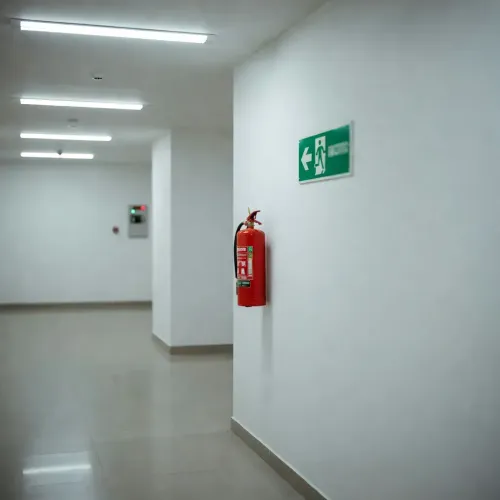
Inspectors will scrutinise electrical wiring and load management, medical gas pipeline systems, evacuation routes, fire-fighting equipment readiness, and staff training. Any deficiencies identified must be rectified immediately, with no grace period extended.
High-Risk Units Under Special Scrutiny
The health department has been specifically instructed to conduct rigorous reviews of high-risk units, including ICUs, NICUs, nurseries, and operation theatres. These areas, which house the most vulnerable patients and rely on continuous power and gas supply, have historically posed the greatest hazard in hospital fire incidents.
Notably, this directive extends accountability beyond hospital administrators. Regional Deputy Directors, Civil Surgeons, District Health Officers, Municipal Health Officers, and Medical Superintendents have all been made directly responsible for compliance checks within their respective regions.
Accountability and Consequences
Abitkar warned that negligence on fire safety will not be tolerated, and that institution heads will be held directly responsible if delays in audits or unresolved deficiencies lead to adverse incidents. All facilities must adhere strictly to national fire and life safety guidelines.
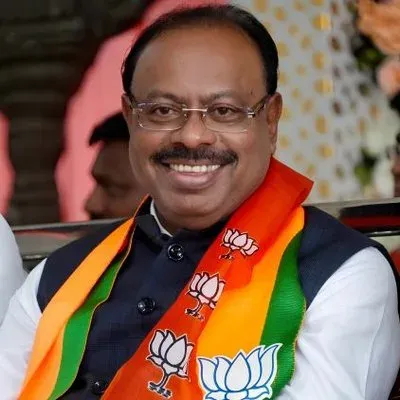
This comes amid sharp political and administrative pressure following the Amravati tragedy. Chief Minister Devendra Fadnavis has ordered an inquiry into the incident. Revenue Minister and Amravati Guardian Minister Chandrashekhar Bawankule has warned that strict action, including culpable homicide charges, will be pursued against those found guilty.
The Amravati Incident That Triggered the Order
The directive is a direct response to a fire-related incident at an Amravati hospital in which three newborns suffocated to death due to heavy smoke. Rescuers evacuated 36 children from the facility, six of whom required urgent transfer to a private hospital for critical care. The incident has reignited long-standing concerns about fire preparedness in Indian public health infrastructure.
With culpable homicide charges on the table and a state-wide audit now underway, Maharashtra's healthcare facilities face their most rigorous safety reckoning in recent memory.
Point of View
From Kolkata to Bhopal, yet systemic enforcement has remained patchy. Abitkar's directive is more comprehensive than past circulars, extending accountability to district and municipal health officers rather than only hospital heads. The real test, however, is follow-through: Maharashtra has issued hospital safety advisories before without sustained inspection machinery. Culpable homicide warnings carry weight only if prosecutions actually follow. Without a publicly verifiable audit trail and independent oversight, this risks becoming another compliance-on-paper exercise.
NationPress
25 Aug 2026
Frequently Asked Questions
Why did Maharashtra order fire and electrical safety audits for hospitals?
The audits were ordered following a fire-related incident at an Amravati hospital in which three newborns suffocated to death due to heavy smoke. Health Minister Prakash Abitkar issued the directive on 25 August to prevent similar tragedies across all healthcare facilities in the state.
What does the Maharashtra hospital safety audit directive cover?
The directive mandates audits of fire safety, electrical wiring and load management, medical gas pipelines, evacuation routes, fire-fighting equipment, and staff training. High-risk units including ICUs, NICUs, nurseries, and operation theatres face the most rigorous inspection.
Who is accountable under the new Maharashtra hospital safety order?
Hospital heads, Regional Deputy Directors, Civil Surgeons, District Health Officers, Municipal Health Officers, and Medical Superintendents have all been made directly responsible for compliance. Institution heads face personal liability if audit delays or unresolved deficiencies lead to incidents.
What happened in the Amravati hospital incident?
Three newborns died after suffocating from heavy smoke in an Amravati hospital. Rescuers evacuated 36 children from the facility, six of whom were transferred to a private hospital for urgent care. Chief Minister Devendra Fadnavis has ordered an inquiry into the incident.
What legal action could be taken against negligent hospital officials?
Revenue Minister and Amravati Guardian Minister Chandrashekhar Bawankule has warned that those found guilty could face culpable homicide charges. The state government has made clear that negligence on fire safety will not be treated as a routine administrative lapse.