Maharashtra Cabinet clears Asset Monetisation Policy for Urban Local Bodies
Synopsis
Maharashtra has cleared a sweeping Asset Monetisation Policy giving over 1,000 urban civic bodies the power to commercially develop vacant lands, markets, and public utilities via PPP — a structural break from grant dependency. Coming days after the Sixth Finance Commission raised SOTR devolution to 27.3%, the state is stacking fiscal reforms to reshape how its cities fund themselves.
Key Takeaways
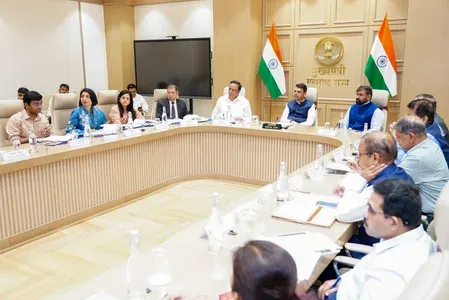
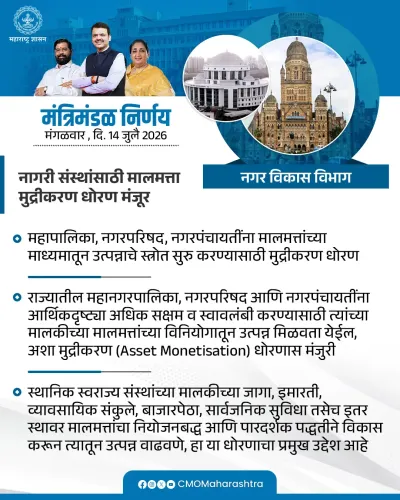
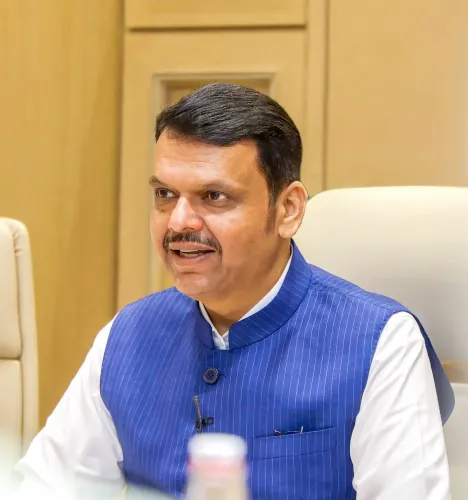
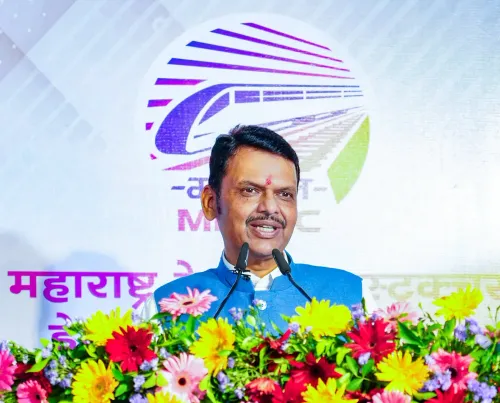
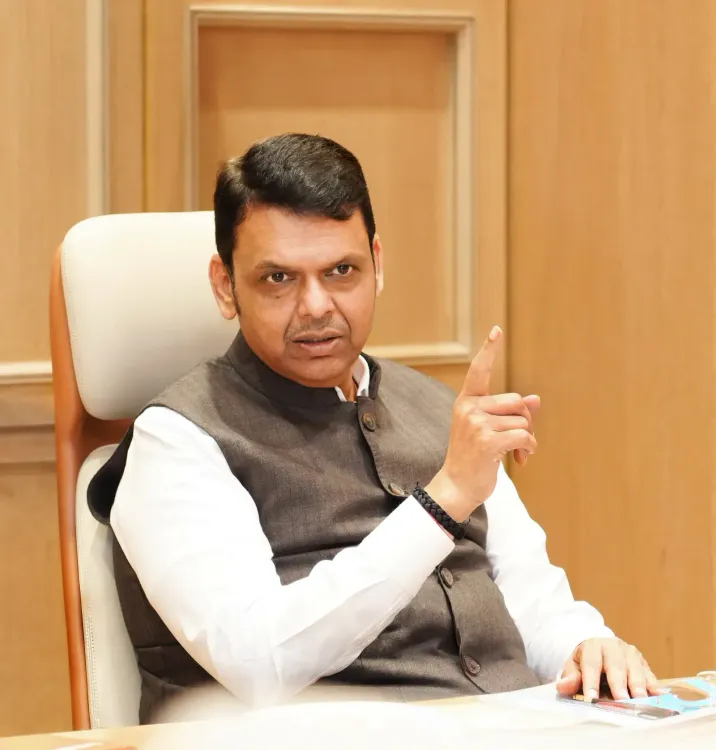
The Maharashtra Cabinet approved the Asset Monetisation Policy on 14 July , chaired by CM Devendra Fadnavis .
Policy covers 29 Municipal Corporations , 239 Municipal Councils , and 743 Nagar Panchayats — over 1,011 civic bodies in total.
Eligible assets include vacant lands, buildings, commercial complexes, markets, and public utility spaces.
PPP frameworks are permitted; all processes must be competitive, transparent, and in public interest.
Policy is valid until 31 July 2031 or until a revised framework is introduced.
The Sixth Maharashtra Finance Commission has separately recommended raising SOTR devolution to 27.3% , split 55:45 between urban and rural bodies.
The Maharashtra Cabinet, chaired by Chief Minister Devendra Fadnavis, on Tuesday, 14 July approved a new Asset Monetisation Policy aimed at making the state's Urban Local Bodies (ULBs) financially self-reliant by unlocking the commercial value of civic-owned land and properties. The policy applies to all Municipal Corporations, Municipal Councils, and Nagar Panchayats across Maharashtra.
What the Policy Covers
Eligible assets under the new framework include vacant lands, buildings, commercial complexes, markets, and public utility spaces owned by civic bodies. The policy permits ULBs to adopt Public-Private Partnership (PPP) frameworks alongside other viable development models to maximise returns.
The state government has mandated that all monetisation processes must be competitive, transparent, and aligned with public interest. The policy will remain in effect until 31 July 2031, or until a revised framework is introduced by the state government.
Scale of Urban Governance Covered
Maharashtra's urban governance network is among the largest in India, comprising 29 Municipal Corporations, 15 'A' Class Municipal Councils, 78 'B' Class Municipal Councils, 146 'C' Class Municipal Councils, and 743 Nagar Panchayats. All these bodies stand to benefit from the new monetisation framework.
Goals: Fiscal Autonomy and Infrastructure Funding
The policy has two stated objectives: enhancing the financial autonomy of local bodies and channelling new revenue into critical civic infrastructure. Revenue generated is expected to fund water supply, sanitation, roads, healthcare, education, and public transport — reducing ULBs' dependence on Central and state government grants.
This is a structural shift in how Maharashtra's urban bodies are expected to finance public services, moving from grant dependency toward asset-backed self-sufficiency.
Context: Sixth Finance Commission Backdrop
The Cabinet's decision follows the tabling of the Sixth Maharashtra Finance Commission report, chaired by Nitin Kareer, in the Maharashtra Legislature. The commission has recommended an annual devolution of 27.3 per cent of the state's Own Tax Revenue (SOTR) to local bodies — up from the existing 26.3 per cent, an increase of one percentage point.
The combined devolution fund is to be split 55 per cent to Urban Local Bodies and 45 per cent to Rural Local Bodies. Within these allocations, five per cent is reserved as performance grants and another five per cent for Rural-Urban transition management.
What Comes Next
With both the Asset Monetisation Policy and the Finance Commission's devolution recommendations now in place, Maharashtra's urban bodies are positioned to access expanded funding through multiple channels. The real test will be in execution — whether ULBs can identify, competitively tender, and effectively monetise underutilised assets within the policy's six-year window.
Point of View
Disputed, or poorly documented. The PPP route is sensible in theory, but Maharashtra's track record on competitive civic PPPs is uneven. The six-year window to 2031 is tight for 1,011 bodies of vastly different capacities. The Sixth Finance Commission's simultaneous devolution increase is a useful cushion, but performance grants — at just five per cent of the pool — may not be strong enough an incentive to drive real reform in underperforming bodies.
NationPress
13 Oct 2026
Frequently Asked Questions
What is Maharashtra's Asset Monetisation Policy for Urban Local Bodies?
It is a policy approved by the Maharashtra Cabinet on 14 July that allows Urban Local Bodies — including Municipal Corporations, Municipal Councils, and Nagar Panchayats — to commercially develop and monetise civic-owned assets such as vacant lands, buildings, markets, and public utility spaces. The policy is valid until 31 July 2031.
Which civic bodies are covered under the new policy?
All of Maharashtra's urban civic bodies are covered, including 29 Municipal Corporations, 15 'A' Class, 78 'B' Class, and 146 'C' Class Municipal Councils, and 743 Nagar Panchayats — over 1,011 bodies in total.
How will revenue from asset monetisation be used?
Revenue generated is to be channelled directly into critical civic services including water supply, sanitation, roads, healthcare, education, and public transport. The primary goal is to reduce ULBs' dependence on Central and state government grants.
What is the Sixth Maharashtra Finance Commission's role in this context?
The Sixth Maharashtra Finance Commission, chaired by Nitin Kareer, has recommended raising the annual devolution of the state's Own Tax Revenue to local bodies from 26.3% to 27.3%. The fund is split 55% to urban and 45% to rural bodies, with 5% reserved as performance grants.
Are private players allowed to participate in the monetisation process?
Yes. The policy explicitly permits Public-Private Partnership frameworks alongside other development models. However, the state has mandated that all processes must be competitive, transparent, and aligned with public interest.