Maharashtra sanctions ₹12.68 crore for 44 VIP vehicles amid drought crisis in 265 talukas
Synopsis
Maharashtra approved ₹12.68 crore for 44 VIP vehicles — including a ₹4.07 crore bulletproof Land Cruiser — on the same day it is seeking Central drought relief for 265 talukas. The juxtaposition of high-end protocol spending against a 12-point rural distress package raises sharp questions about fiscal priorities.
Key Takeaways
Maharashtra sanctioned ₹12.68 crore on 9 October 2026 for 44 VIP vehicles , including a bulletproof Toyota Land Cruiser at ₹4.07 crore .
The fleet covers 32 Toyota Innova Crystas , 2 Toyota Fortuners , 1 Urbania bus , 7 Maruti Ertigas , and a towing vehicle.
Procurement will be done via the Government e-Marketplace (GeM) portal on a single-source basis.
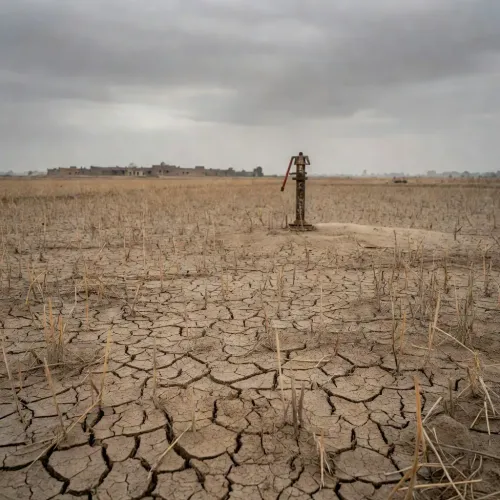
The state is simultaneously battling drought-like conditions across 265 talukas and has sought Central financial assistance .
A 12-point relief package for affected farmers includes loan restructuring, MGNREGA work-norm relaxation, and water tanker deployment.
A final financial relief amount will be determined after panchnama assessments are completed.
The Maharashtra government on Friday, 9 October 2026, issued administrative approval to procure 44 high-end vehicles worth ₹12.68 crore for visiting dignitaries and VIPs — even as the state simultaneously seeks Central financial assistance to battle drought-like conditions across 265 talukas. The fleet includes a bulletproof Toyota Land Cruiser priced at ₹4.07 crore, making it the single most expensive vehicle in the approved list.
What the Fleet Expansion Covers
According to the Government Resolution (GR) issued by the Protocol Department, the new acquisitions will replace ageing vehicles used to ferry the President, Vice President, Prime Minister, Union Ministers, Governors, Chief Ministers of other states, and senior judiciary officials including Supreme Court and High Court judges. The protocol branch manages all high-level state guest logistics.
The approved vehicle breakdown is as follows: one bulletproof Toyota Land Cruiser at ₹4,07,68,000; two Toyota Fortuners at ₹30,00,000 each; one Urbania bus at ₹31,00,000; 32 Toyota Innova Crystas at ₹20,71,453 each; seven Maruti Ertigas at ₹11,59,100 each; and one towing vehicle at government-approved rates. The total sanctioned budget is ₹12,68,64,342.
Procurement Route and Oversight
All 44 vehicles will be sourced through a single-source basis via the Government e-Marketplace (GeM) portal, in compliance with state financial and procurement regulations. Funds will flow through the Government Transport Service (GTS), Mumbai, and district collectorate protocol wings. The official order mandates that all purchases remain within the sanctioned ceiling.
The Drought Context
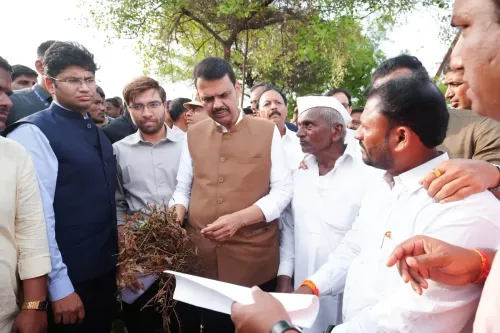
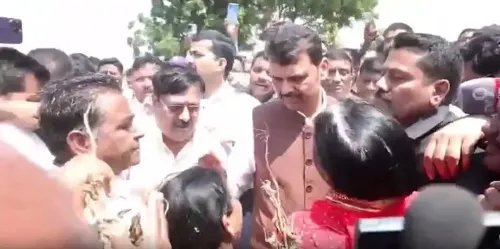
The timing has drawn scrutiny. Maharashtra is currently grappling with drought-like conditions across 265 talukas, and the state government is conducting panchnamas (field assessments) ahead of finalising a financial relief package for farmers and rural communities. The Centre has been approached for emergency assistance.
In parallel, the state has rolled out a 12-point relief package, which includes a full waiver of land revenue for affected farmers, restructuring of existing agricultural loans, an immediate stay on recovery of all agriculture-related bank loans, and exemption or concessions on current electricity bills for agricultural pumps above 7.5 HP capacity. Pumps up to 7.5 HP are already covered under an existing waiver.
Relief Measures Already in Motion
Other relief steps include waiver of examination fees for school and college students in affected zones, relaxation of work-norm criteria under the Mahatma Gandhi National Rural Employment Guarantee Act (MGNREGA) to maximise employment generation, and deployment of water tankers wherever drinking water shortages occur. The government has also issued strict orders banning disconnection of agricultural pump power in declared scarcity villages.
Additional measures cover targeted foodgrain distribution to prevent shortages for farmers and daily-wage agricultural workers, ensuring adequate fodder supply for cattle, immediate rollout of water conservation works in affected belts, and comprehensive planning for drinking and livestock water resources. A final financial relief quantum is expected once the panchnama process concludes.
Point of View
But the optics of premium fleet procurement during a declared agrarian distress in 265 talukas will inevitably invite political fire. The deeper issue is the absence of a publicly stated rationale for the timing: was this GR held back or expedited? GeM-based procurement and adherence to financial rules do not by themselves settle the question of whether the sequencing was appropriate. Maharashtra's rural economy is under sustained stress, and every rupee of discretionary spending is now a political flashpoint.
NationPress
10 Oct 2026
Frequently Asked Questions
What vehicles did the Maharashtra government approve for ₹12.68 crore?
The Maharashtra government approved 44 vehicles including one bulletproof Toyota Land Cruiser (₹4.07 crore), 32 Toyota Innova Crystas, two Toyota Fortuners, one Urbania bus, seven Maruti Ertigas, and one towing vehicle. The total sanctioned budget is ₹12,68,64,342.
Why is Maharashtra procuring new VIP vehicles?
According to the Government Resolution issued by the Protocol Department, the new fleet will replace ageing vehicles used for transporting high-level dignitaries including the President, Prime Minister, Union Ministers, Governors, and senior judges. The protocol branch is responsible for all VIP transport logistics in the state.
How will the vehicles be purchased?
All 44 vehicles will be procured on a single-source basis through the Government e-Marketplace (GeM) portal, following state financial and procurement regulations. Funds will be disbursed through the Government Transport Service, Mumbai, and district collectorate protocol wings.
What is the drought situation in Maharashtra and what relief has been announced?
Maharashtra is facing drought-like conditions across 265 talukas, and the state government has sought Central financial assistance. A 12-point relief package has been announced, covering land revenue waivers, agricultural loan restructuring, MGNREGA work-norm relaxation, water tanker deployment, and measures to ensure fodder and foodgrain supply. A final relief amount will be determined after panchnama assessments.
Why is the vehicle approval controversial?
The approval is facing scrutiny because it was issued at the same time the Maharashtra government is seeking Central drought relief for farmers across 265 talukas. Critics argue the timing raises questions about fiscal priorities, even though the procurement follows standard GeM and financial regulations.