Maharashtra CM unveils modern silk cocoon market in Jalna

Synopsis
The Chief Minister's Office of Maharashtra announced a fully-equipped silk cocoon market at Jalna, featuring e-NAM-linked digital auctions, cocoon drying, grading, testing, farmer training, and residential facilities — aiming to deliver fair prices to sericulture farmers in the Marathwada region.
Key Takeaways
A modern silk cocoon market has been established at Jalna , Maharashtra, announced by the Chief Minister's Office on 14 August 2026 .
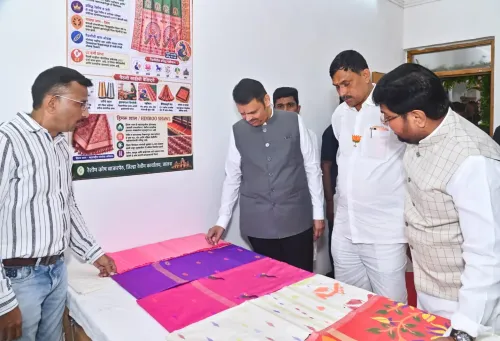
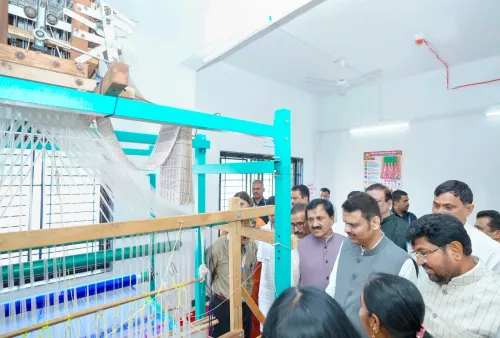
The facility includes a modern auction hall, cocoon drying and storage units, a grading and testing centre, and a farmer training hall.
Transactions will be conducted via the e-NAM (National Agriculture Market) platform, enabling transparent electronic price discovery.
Residential accommodation for both farmers and traders is available at the market complex.
Sericulture has been promoted in Maharashtra as a drought-resilient supplementary income crop, especially in water-stressed Marathwada districts.
The e-NAM platform, launched in 2016 , connects mandis nationally to reduce information asymmetry and improve farmer price realisation.
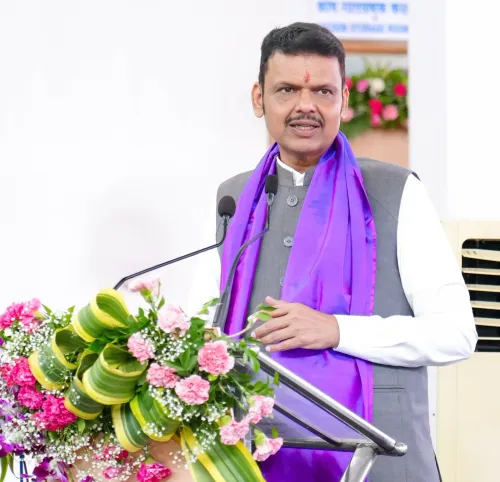
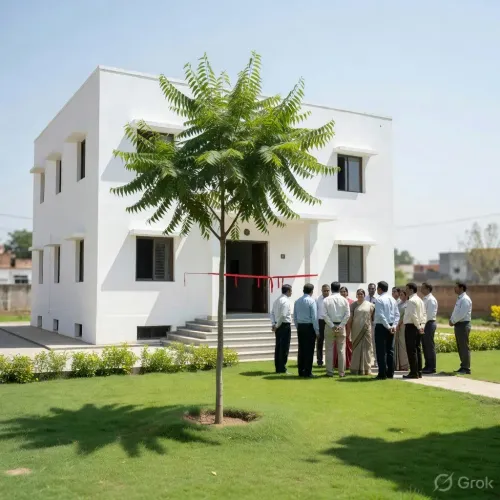
Sericulture farmers in Maharashtra's drought-prone Marathwada region now have a dedicated, fully-equipped market to trade their cocoons at fair prices — and the state government wants them to know exactly what it offers. The Chief Minister's Office of Maharashtra announced on Friday, 14 August 2026 that a modern silk cocoon market has been established at Jalna, tagging Chief Minister Devendra Fadnavis in the post.
What the Jalna silk market actually offers farmers
The facility is not a simple shed with a weighing scale. According to the announcement, it brings together a modern auction hall, cocoon drying and storage infrastructure, a grading and testing centre, a farmer training hall, and residential accommodation for both farmers and traders. Crucially, transactions will run on the e-NAM (National Agriculture Market) platform — the central government's electronic trading system that connects mandis across India for transparent, real-time price discovery.
The e-NAM integration is significant. Launched in 2016, the platform was designed precisely to end the information asymmetry that lets middlemen dictate prices to farmers who have no visibility into what buyers elsewhere are willing to pay. Plugging Jalna's silk cocoon trade into that network means a farmer in Marathwada can, in principle, attract bids from traders far beyond the local market.
Why Jalna, and why silk?
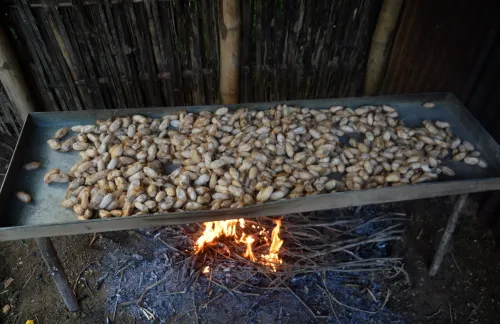
Maharashtra is not traditionally counted among India's silk heartlands — Karnataka, Andhra Pradesh, and West Bengal dominate raw silk output. But state policy has actively promoted sericulture in Maharashtra as a drought-resilient supplementary income source for smallholders, particularly in water-stressed districts like Jalna. A cocoon takes roughly 25-30 days from egg to harvest and requires far less water than sugarcane or cotton, making it an attractive diversification crop for Marathwada farmers.
The logic of anchoring the new market at Jalna follows directly from that push: if the state is asking farmers to invest in mulberry cultivation and silkworm rearing, it must also provide them a credible, modern outlet for the cocoons they produce. Without price certainty and infrastructure, the crop remains a gamble.
The broader upgrade of India's agricultural mandis
Jalna is part of a wider national pattern. Across states, traditional agricultural markets have been retrofitted — or built afresh — with drying chambers, cold storage, electronic weighbridges, and digital auction terminals. The combination of physical upgrades and e-NAM connectivity is now considered the baseline standard for any new mandi investment. Maharashtra's move with silk cocoons applies that template to a niche but economically important commodity for its rural smallholder base.
Whether the Jalna market delivers on its promise will show up in the numbers that matter most: farmer registration rates, average price realisation compared to what local traders previously paid, and whether the state replicates the model in other sericulture districts. The infrastructure is in place — the market now has to prove itself.
Point of View
The state is betting that digital price discovery can do for silk what it has gradually done for other commodities. The political calculus is clear: Chief Minister Fadnavis needs visible, farmer-facing deliverables in a region where rural discontent has historically translated into electoral volatility. The real test, however, is utilisation — India's mandi modernisation record is littered with well-equipped facilities that farmers never fully adopted because logistics, awareness, or trader resistance stood in the way.
NationPress
14 Aug 2026
Frequently Asked Questions
What is the new silk cocoon market in Jalna?
It is a modern sericulture market established at Jalna, Maharashtra, equipped with a digital auction hall, cocoon drying and storage facilities, a grading and testing centre, farmer training hall, e-NAM-based transaction system, and residential accommodation for farmers and traders.
What is e-NAM and how does it help silk farmers?
e-NAM (National Agriculture Market) is a central government electronic trading platform launched in 2016 that links agricultural mandis across India. It enables transparent, real-time bidding, helping farmers access buyers beyond their local market and receive better prices for their produce.
Why is Jalna chosen for the silk cocoon market?
Jalna is in Maharashtra's Marathwada region, where the state government has actively promoted sericulture as a drought-resilient supplementary income crop for smallholder farmers. A dedicated market was needed to give these farmers a credible outlet for their cocoons.
Who announced the Jalna silk market?
The Chief Minister's Office of Maharashtra announced the market on 14 August 2026, tagging Chief Minister Devendra Fadnavis in the post on X.
What facilities are available at the Jalna silk cocoon market?
The market offers a modern auction hall, cocoon drying and storage infrastructure, a grading and cocoon testing centre, a farmer training hall, e-NAM-linked digital transactions, and residential accommodation for both farmers and traders.