Maharashtra Government Introduces Major Relief for Exporters and Dairy Sector
Synopsis
The Maharashtra government has announced vital concessions for exporters and substantial tariff reductions for dairy facilities to bolster the agricultural sector amidst geopolitical tensions. This strategic move, driven by the Chief Minister, aims to mitigate financial challenges for exporters and enhance energy affordability for farmers.
Key Takeaways
Maharashtra government announces significant measures for exporters and dairy sector.
80% discount on electricity charges for refrigerated containers.
New tariff structure for milk collection centres effective July 1.
4,000 MW solar capacity installed under Mukhyamantri Saur Krishi Vahini Yojana.
Goal of uninterrupted daytime power for farmers through battery storage.
Mumbai, March 10 (NationPress) In a bid to enhance the agricultural and dairy industries, the Maharashtra government unveiled critical measures on Tuesday that provide significant advantages for fruit and vegetable exporters at the Jawaharlal Nehru Port Authority (JNPA) and a notable decrease in electricity charges for milk collection facilities.
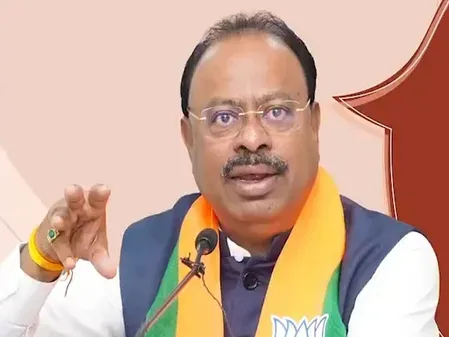
Marketing Minister Jaykumar Rawal stated that JNPA aims to assist exporters facing disruptions due to geopolitical issues in the Middle East.
“An 80% discount on electricity connection fees for refrigerated (reefer) containers, a 100% exemption from storage and dwell time fees, and the ability to keep containers at the port until a new vessel arrives will be implemented,” he explained.
Rawal noted that the persistent conflict in the Middle East has generated a crisis affecting exports to GCC nations.
Upon directives from Chief Minister Devendra Fadnavis, a request was forwarded to Union Ministers Sarbananda Sonowal and Piyush Goyal, prompting immediate action.
“These concessions will remain in effect for 15 days, from midnight of February 28, 2026, to midnight of March 14, 2026. They are applicable to containers already at the terminal by February 28 and those registered for entry by 7:00 AM on March 8. Approximately 250 containers are held up at JNPA and 150 at Mundra Port. Without this waiver, exporters could incur additional expenses of nearly ₹2 lakh per container every week,” Rawal added.
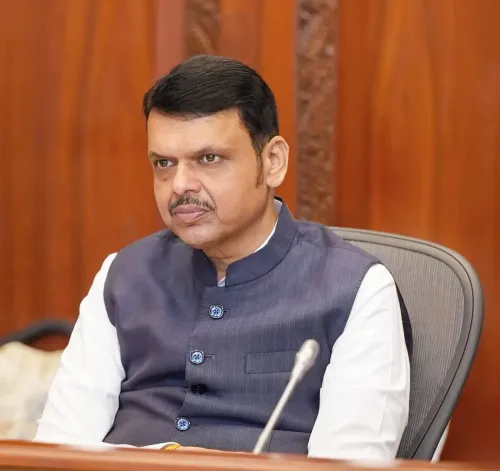
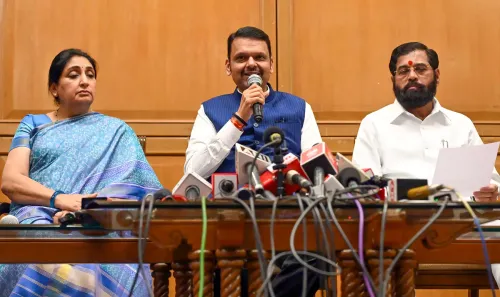
In parallel, CM Fadnavis informed the Legislative Assembly during the Question Hour that the state has significantly reduced electricity tariffs for chillers in milk collection centres. This followed inquiries from MLA Anil Patil about standardized power rates for the dairy sector.
The Maharashtra Electricity Regulatory Commission (MERC) has issued a new tariff structure effective July 1, establishing a dedicated category for these centres.
“For Low Tension (LT) Commercial users, the tariff has been lowered from ₹16.55 per unit to ₹7.31 per unit. For High Tension Commercial users, it has been decreased from ₹13.81 per unit to ₹9.06 per unit,” Fadnavis stated.
“By utilizing available solar energy, we are providing a 25% discount during solar hours without raising rates for other time frames. Our aim is to ensure 24-hour electricity supply through battery storage systems,” he further elaborated.
The Chief Minister also emphasized the achievements of the Mukhyamantri Saur Krishi Vahini Yojana.
He revealed that 4,000 MW of solar capacity has been successfully installed, benefiting 800,000 farmers with daytime power.
Moreover, an additional 10,000 MW capacity is projected to be set up by the end of the year to support 75% of the state's farmers.
“The International Solar Alliance (ISA) has acknowledged Maharashtra’s model as a groundbreaking initiative, and the central government has encouraged other states to adopt it. Our objective is to provide 10 hours of uninterrupted daytime power for farmers, with a strong emphasis on advancing battery storage technology in the next phase,” Fadnavis concluded.
Point of View
The state aims to stabilize these crucial industries amidst ongoing geopolitical tensions. This initiative could serve as a model for other regions facing similar challenges.
NationPress
20 Sept 2026
Frequently Asked Questions
What concessions are being offered to exporters?
The Maharashtra government is providing an 80% discount on electricity connection charges for refrigerated containers, a 100% waiver on storage and dwell time charges, and allowing the storage of containers at the port until a new vessel arrives.
How long will these concessions be available?
The concessions are valid for 15 days, from midnight of February 28, 2026, to midnight of March 14, 2026.
What changes have been made to electricity tariffs for dairy centres?
Electricity tariffs for chillers in milk collection centres have been significantly reduced, with Low Tension Commercial rates dropping from ₹16.55 per unit to ₹7.31 per unit and High Tension Commercial rates decreasing from ₹13.81 per unit to ₹9.06 per unit.
What is the Mukhyamantri Saur Krishi Vahini Yojana?
It is a solar energy initiative that aims to provide daytime power to farmers, having already installed 4,000 MW of solar capacity.
How does the government plan to support farmers with power supply?
The government aims to provide 10 hours of uninterrupted daytime power for farmers, emphasizing the use of battery storage technology in the next phase.