Nanded Gurudwara Act postponed: Maharashtra defers 1956 amendment amid Sikh community pushback
Synopsis
Maharashtra has shelved proposed amendments to the 68-year-old Nanded Gurudwara Act after Sikh community backlash, with CM Fadnavis ordering a deferral and a fresh high-level consultation process. The move underscores how swiftly organised religious sentiment can stall state legislation — and raises questions about how long the government can hold off on modernising a law from the Hyderabad era.
Key Takeaways
The Maharashtra government has postponed the implementation of proposed amendments to the Nanded Gurudwara Improvement Act , deferring its introduction in the legislature.
Chief Minister Devendra Fadnavis directed the deferral; Revenue Minister Chandrashekhar Bawankule made the announcement on 30 June .
A high-level committee will consult the Sikh community before any further legislative steps are taken.
The existing law dates to 1956 from the era of the erstwhile Hyderabad government ; the Justice (Retd.) Bhatia Committee had recommended amendments.
Proposed changes included expanding the Gurudwara Board from 17 to 21 members and shifting President/Vice-President selection to internal elections.
The government has denied any intent to take over the Gurudwara, stating management will remain with the Sikh community .
The Maharashtra government has decided to postpone the implementation of proposed amendments to the Nanded Gurudwara Improvement Act, deferring the introduction of the revised legislation in the state legislature after significant concern from the Sikh community over the future management of the historic Sri Hazur Abchalnagar Sachkhand Gurudwara in Nanded. The decision was announced on Tuesday, 30 June by Revenue Minister Chandrashekhar Bawankule at a press conference in Mumbai.
What the Government Decided
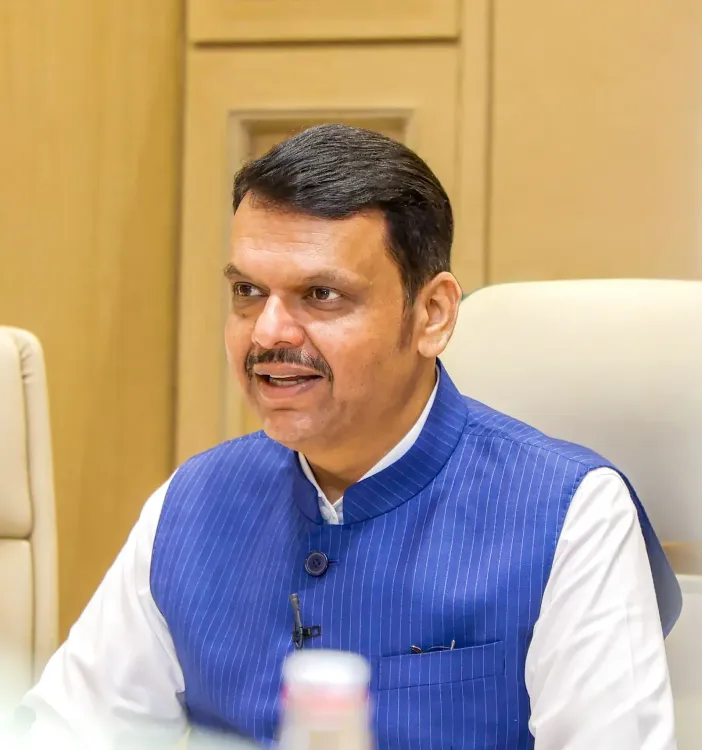
On the directions of Chief Minister Devendra Fadnavis, the tabling of the amended Act in the legislature has been put on hold indefinitely. A high-level committee will now be constituted to formally consult the Sikh community, and the government has stated that no further legislative steps will be taken until those consultations are complete.
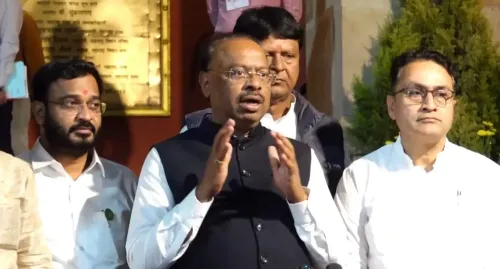
Revenue Minister Bawankule made the announcement in the presence of Dr Vijay Satbir Singh and other representatives of the Hazur Abchalnagar Sachkhand Gurudwara. He firmly rejected claims that the Maharashtra government intended to assume full administrative control of the Gurudwara, asserting that 'the entire management of the Gurudwara will be carried out only through the Sikh community.'
Background: The 1956 Act and Proposed Changes
The existing law governing the Gurudwara dates to 1956, enacted during the era of the erstwhile Hyderabad government. Given the significant changes in the number of devotees and administrative needs over the decades, the Justice (Retd.) Bhatia Committee had recommended a set of amendments to modernise the governance structure.
Under the proposed revisions, the Gurudwara Board would have been expanded from 17 to 21 members. Elected members would increase from 3 to 6, and the selection of the President and Vice-President — previously a government prerogative — would shift to internal elections among the 21 elected members. The government said its stated aim was to provide world-class facilities to the growing number of pilgrims and improve administrative transparency, not to exercise control.
Proposed Representation Structure
The revised board structure envisaged broad representation for Sikhs across Maharashtra: one member each from Vidarbha, Marathwada, and Western Maharashtra revenue divisions, and two from Konkan-Mumbai. Six members would represent Nanded locally. The board would also include retired IAS and IPS officers from the Sikh community, District Collectors, and Sikh MPs and MLAs. Notably, two members would be nominated by the SGPC (Amritsar), giving the apex Sikh religious body a direct stake in the Nanded shrine's governance.
Consultation Process Going Forward
A special committee comprising an Additional Chief Secretary, a Commissioner, and a District Collector has been formed to determine what provisions should be retained or dropped from the draft Act. This panel will engage with the Sachkhand Committee, incorporate its recommendations, and hold wide consultations with the broader Sikh community before a final draft is prepared.
This comes amid a broader pattern of state governments treading carefully on legislation affecting minority religious institutions, particularly when community sentiment mobilises quickly. With elections and coalition dynamics always in play in Maharashtra, the deferral signals the Fadnavis government's preference for consensus-building over legislative urgency.
Point of View
Internal elections for leadership, SGPC representation — yet the framing of the bill allowed critics to cast it as a state takeover. That perception gap is a governance failure as much as a communication one. The real question is whether the promised consultation process will produce a genuinely revised draft or simply delay the same legislation until political conditions are more favourable. The 1956 Act, rooted in Hyderabad-era administration, is overdue for reform; the challenge is building community ownership of that reform rather than imposing it.
NationPress
29 Sept 2026
Frequently Asked Questions
Why has Maharashtra postponed the Nanded Gurudwara Improvement Act?
The Maharashtra government postponed the Act's implementation after the Sikh community raised concerns about the proposed amendments to the 1956 law governing the Sri Hazur Abchalnagar Sachkhand Gurudwara in Nanded. Chief Minister Devendra Fadnavis directed that the bill's introduction in the legislature be deferred until a high-level committee consults the community.
What changes were proposed to the Nanded Gurudwara Act?
The proposed amendments, recommended by the Justice (Retd.) Bhatia Committee, included expanding the Gurudwara Board from 17 to 21 members, increasing elected members from 3 to 6, and shifting the selection of the President and Vice-President from government appointment to internal elections among board members. Two members were also to be nominated by the SGPC (Amritsar).
Will the Maharashtra government take over the Nanded Gurudwara?
The government has explicitly denied any such intention. Revenue Minister Chandrashekhar Bawankule stated that the entire management of the Gurudwara will remain with the Sikh community, and that the aim of the proposed amendments was to improve facilities and administrative transparency, not to assume control.
What happens next after the deferral?
A special committee comprising an Additional Chief Secretary, a Commissioner, and a District Collector will consult the Sachkhand Committee and the wider Sikh community to determine what provisions should be included or excluded from the revised Act. A final draft will be prepared only after these wide-ranging consultations.
Why is the Sri Hazur Abchalnagar Sachkhand Gurudwara significant?
The Sri Hazur Abchalnagar Sachkhand Gurudwara in Nanded is one of the five Takhts — the most sacred seats of Sikh temporal and spiritual authority. It holds deep religious significance for Sikhs across India and the world, making any proposed changes to its administrative structure a highly sensitive matter for the community.