CM Fadnavis Inaugurates IDEAL Centre at PM SHRI School in Panvel
Synopsis
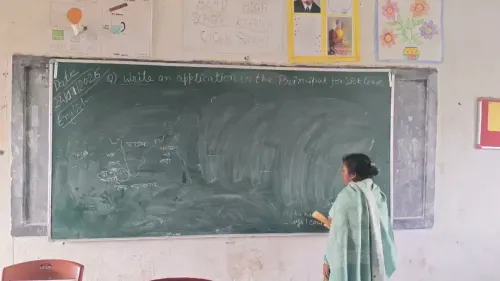
Chief Minister Devendra Fadnavis on 15 June 2026 inaugurated an IDEAL Centre at a PM SHRI Zilla Parishad primary school in Panvel, Raigad, providing Classes 1-8 students with multilingual digital content across 24 computers, with 90 per cent offline functionality to overcome rural connectivity barriers.
Key Takeaways
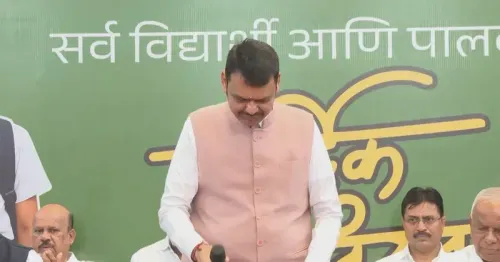
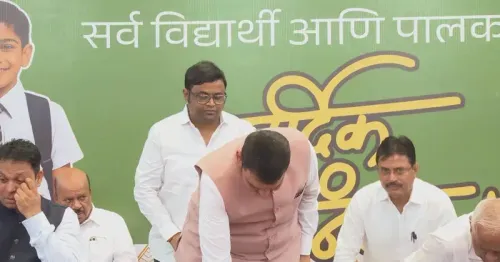
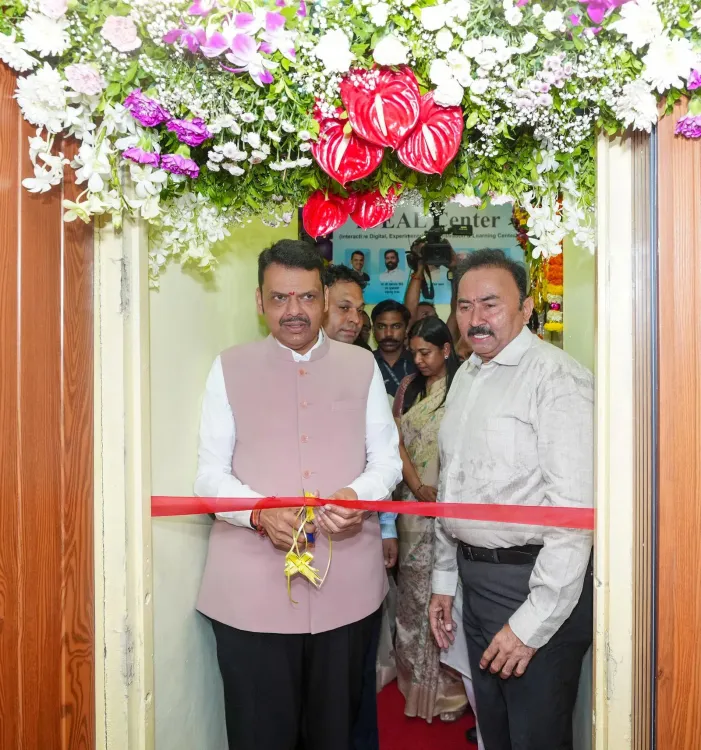
Chief Minister Devendra Fadnavis inaugurated the IDEAL Centre at PM SHRI Raigad Zilla Parishad Primary School, Vahal, Panvel on 15 June 2026 .
The centre serves students from Class 1 to Class 8 with video and audio curriculum in English, Marathi, and Urdu .
The facility has 24 student computers and 1 teacher computer , along with an e-desk, e-podium, interactive whiteboard, and exam management tools.
Software operates 90 per cent offline , reducing dependence on continuous internet — a key design choice for rural connectivity gaps.
The school is part of the central government's PM SHRI (Pradhan Mantri Schools for Rising India) scheme, launched in 2022 to create model digital schools.
The initiative aligns with National Education Policy goals on experiential and technology-enabled foundational learning.
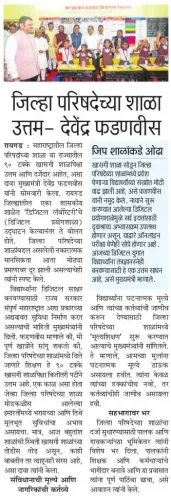
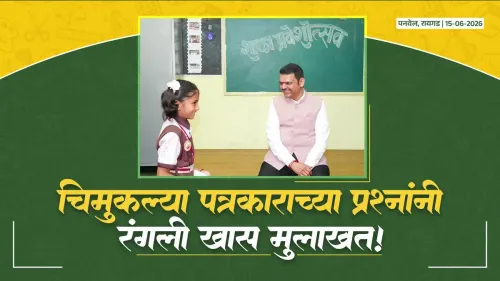
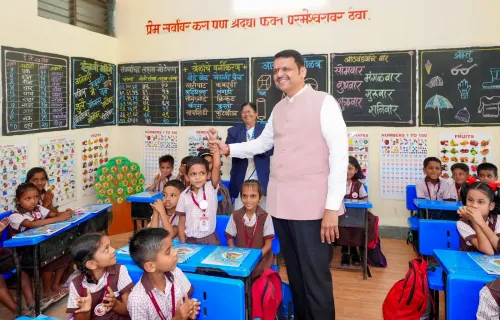
The Chief Minister's Office of Maharashtra announced on Monday, 15 June 2026 that Chief Minister Devendra Fadnavis inaugurated the IDEAL Centre — Interactive Digital, Experimental, Administration and Learning Centre — at the PM SHRI Raigad Zilla Parishad Primary School in Vahal, Panvel. The facility marks a significant step in the state's push to bring technology-enabled learning to government-run primary schools in rural Maharashtra.
Context
The IDEAL Centre at Vahal is housed within a school selected under the PM SHRI (Pradhan Mantri Schools for Rising India) scheme, a central government initiative launched in 2022 to upgrade selected schools with smart classrooms, digital infrastructure, and model learning environments. The inauguration coincided with the first day of the new academic session, underscoring the state's intent to signal a technology-forward opening to the school year.
Chief Minister Fadnavis, who has championed digital integration in Maharashtra's public education system, personally presided over the launch — lending political weight to what the government is positioning as a replicable model for Zilla Parishad schools across the state.
Policy Backdrop
The IDEAL Centre is designed to serve students from Class 1 to Class 8 with a curriculum delivered in both video and audio formats. Content is available in three languages — English, Marathi, and Urdu — addressing the linguistic diversity of Maharashtra's student population in government schools.
The facility is equipped with 24 computers for students and 1 computer for teachers, alongside an e-desk, e-podium, interactive whiteboard, and screen presentation and examination management systems. A defining feature is that the software operates 90 per cent offline, eliminating dependence on continuous internet connectivity — a persistent challenge in rural and semi-urban areas like Panvel taluka in Raigad district.
This offline-first design directly addresses a structural gap that has historically limited the effectiveness of digital learning tools in India's rural government schools. Maharashtra's approach aligns with the National Education Policy (NEP)'s emphasis on experiential and technology-enabled learning at the foundational stage, particularly for early-grade students.
Stakeholders and Impact
The primary beneficiaries are students and teachers at the Vahal school, but the model carries broader implications for Zilla Parishad schools across Maharashtra. Software-based learning tools for teachers are also included, signalling an intent to build educator capacity alongside student access.
The multilingual content architecture — spanning English, Marathi, and Urdu — is particularly significant for Maharashtra, where Urdu-medium government schools serve a sizeable student population. By integrating all three languages into a single platform, the IDEAL Centre avoids the fragmentation that often characterises digital education rollouts in linguistically diverse states.
The PM SHRI scheme's selection criteria prioritise schools that can serve as exemplars, meaning the Vahal facility is intended to demonstrate what is achievable and scalable across the state's broader network of primary schools.
What's Next
The inauguration raises expectations for a wider rollout of IDEAL Centres across additional PM SHRI-designated schools in Maharashtra. Observers will watch for state budget allocations in subsequent sessions that earmark funds for replication at scale, as well as performance metrics — student learning outcomes, teacher adoption rates, and infrastructure uptime — that will determine whether the model justifies broader investment. The government's ability to sustain the offline software infrastructure and provide teacher training at scale will be the critical test of the initiative's long-term impact.
Point of View
Especially in schools under the Centre's PM SHRI umbrella. The offline-first software architecture is the most substantive policy choice here: it acknowledges that connectivity promises have consistently outpaced rural reality, and builds resilience into the model from the outset. The multilingual content in English, Marathi, and Urdu also reflects a deliberate inclusivity calculus in a state with significant linguistic diversity in its government school population. Whether this remains a flagship showcase or scales meaningfully will depend on budget follow-through and teacher training — the two variables that have historically determined the fate of similar digital education drives in India.
NationPress
14 Sept 2026
Frequently Asked Questions
What is the IDEAL Centre inaugurated by CM Fadnavis in Panvel?
The IDEAL Centre stands for Interactive Digital, Experimental, Administration and Learning Centre. It is a technology-enabled learning facility inaugurated at PM SHRI Raigad Zilla Parishad Primary School in Vahal, Panvel, providing digital and multilingual education resources for students from Class 1 to Class 8.
What is the PM SHRI scheme and how is it connected to this school?
PM SHRI — Pradhan Mantri Schools for Rising India — is a central government scheme launched in 2022 to upgrade selected schools with smart classrooms and digital infrastructure. The Vahal school in Panvel is one of the schools selected under this scheme in Maharashtra.
In which languages is the IDEAL Centre content available?
The IDEAL Centre offers curriculum content in three languages: English, Marathi, and Urdu, covering all subjects for Classes 1 to 8 in both video and audio formats.
Does the IDEAL Centre require a continuous internet connection?
No. The software at the IDEAL Centre is 90 per cent offline-capable, meaning it can function without a continuous internet connection. This is a key feature designed to address rural connectivity challenges in areas like Panvel taluka in Raigad district.
How many computers are available at the IDEAL Centre in Panvel?
The IDEAL Centre has 24 computers for students and 1 computer for teachers, along with an e-desk, e-podium, interactive whiteboard, screen presentation system, and examination management facilities.