Maharashtra stamp duty reform: Bank guarantees get independent category
Synopsis
Maharashtra has ended a long-standing double-taxation trap: businesses renewing bank guarantees were paying full stamp duty each time, even when the guaranteed amount didn't change. The amendment to the Maharashtra Stamp Act creates a dedicated category, cutting compliance costs and potentially expanding the use of guarantees in infrastructure and government contracts.
Key Takeaways
Maharashtra unanimously passed an amendment to the Maharashtra Stamp Act (1958) on 7 July , creating a separate stamp duty category for bank and financial guarantees.
Previously, bank guarantees were taxed under Article 54 as 'security bonds', with full duty charged again on every renewal even if the guaranteed amount was unchanged.
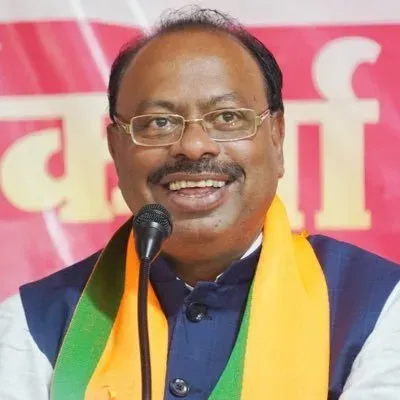
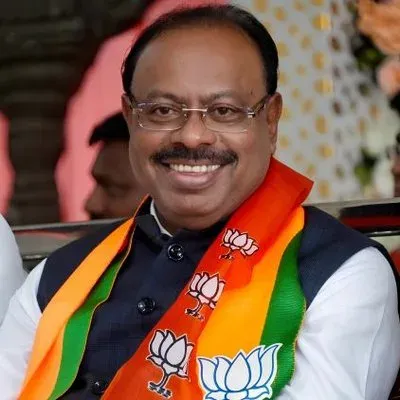
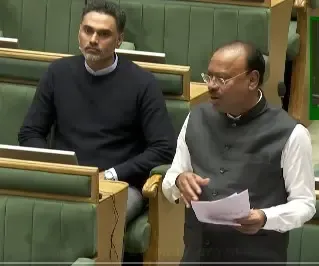
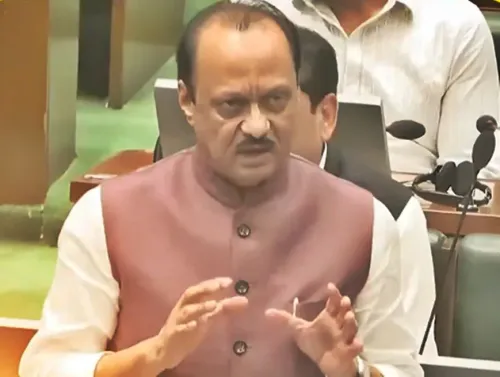
Revenue Minister Chandrashekhar Bawankule said the reform will provide significant financial relief to trade and industry and increase transparency in the renewal process.
The BMC has recovered ₹66 crore plus ₹11 crore for unauthorised construction from the National Sports Club of India in Worli ; remaining dues are being recovered in instalments.
A dedicated committee will investigate the club's financial transactions, with a report due within three months .
The Maharashtra government has overhauled stamp duty rules on bank guarantees, creating a separate, independent category under the Maharashtra Stamp Act (1958) through an amendment unanimously passed in the state assembly on Tuesday, 7 July. The change is expected to deliver significant cost relief to businesses engaged in commercial transactions, government contracts, and infrastructure projects across the state.
What Changed and Why It Matters
Until now, Schedule-I of the Maharashtra Stamp Act had no dedicated provision for bank guarantees or financial guarantees. These instruments were classified under Article 54 as 'security bonds', attracting the full stamp duty applicable to that category.
The most consequential problem, according to Revenue Minister Chandrashekhar Bawankule, who tabled the bill, was the renewal clause: every time a bank guarantee was renewed or its validity extended — even when the guaranteed amount remained unchanged — the full stamp duty was levied afresh, as though a new instrument had been created. This effectively doubled or multiplied the cost burden over the life of long-term contracts.
What the Amendment Does
The amendment inserts a 'separate article' into the Act specifically for bank and financial guarantee instruments. Bawankule stated that this change will bring transparency to the renewal process and provide significant financial relief to trade and industry. He also noted that by lowering the compliance cost of using bank guarantees, the reform is expected to increase their adoption in commercial dealings — which, in turn, could boost government revenue through higher transaction volumes even at rationalised duty rates.
BMC vs National Sports Club of India: Dues Dispute
Separately, Minister Shambhuraj Desai announced in the Legislative Council on the same day that a meeting will be convened within 15 days after the assembly session to address outstanding dues owed to the Brihanmumbai Municipal Corporation (BMC) by the National Sports Club of India in Worli. The issue was raised by Member Prasad Lad, with Member Anil Parab also participating in the discussion.
Desai assured the House that recommendations of the Public Accounts Committee (PAC) will be strictly followed, and that a dedicated committee will be set up to investigate the club's operations and financial transactions.
BMC Recovery and Pending Action
Minister of State for Urban Development Madhuri Misal informed the House that the BMC has already recovered ₹66 crore from the institution, along with an additional ₹11 crore related to unauthorised construction. The remaining dues are being recovered in phased instalments.
Misal directed that the institution's transactions be audited and a comprehensive report submitted within three months. Stringent action, she assured, will follow based on both the PAC's recommendations and the findings of the forthcoming inquiry report.
What Comes Next
With the stamp duty amendment now passed, the state government is expected to notify the revised schedule, after which businesses can begin availing the rationalised duty structure on bank guarantee renewals. On the BMC front, the formation of the dedicated inquiry committee and the 15-day meeting timeline will be closely watched by civic accountability advocates.
Point of View
Maharashtra removes an anomaly that other states have yet to address, and the ease-of-doing-business signal is real. The BMC-National Sports Club episode, meanwhile, is a reminder that municipal revenue recovery in Maharashtra remains episodic and committee-dependent rather than systematic — the PAC route is slow, and three-month report timelines have a habit of slipping.
NationPress
6 Oct 2026
Frequently Asked Questions
What is the Maharashtra stamp duty amendment on bank guarantees?
The Maharashtra government has amended the Maharashtra Stamp Act (1958) to create a separate, independent category for bank and financial guarantee instruments. Previously, these were classified as 'security bonds' under Article 54, attracting full stamp duty on every renewal even when the guaranteed amount stayed the same.
Why were businesses paying excess stamp duty on bank guarantees before this change?
Because no dedicated category existed for bank guarantees in Schedule-I of the Act, they were treated as security bonds. Each renewal — regardless of whether the guaranteed sum changed — triggered a fresh full-duty charge, effectively multiplying costs over the life of long-term contracts.
Who tabled the Maharashtra stamp duty bill and when was it passed?
Revenue Minister Chandrashekhar Bawankule presented the bill in the Maharashtra state assembly, and it was unanimously passed on Tuesday, 7 July. The amendment is expected to be notified shortly, after which the revised duty structure will apply.
What is the BMC dispute with the National Sports Club of India in Worli?
The Brihanmumbai Municipal Corporation has outstanding dues from the National Sports Club of India located in Worli. The BMC has already recovered ₹66 crore plus ₹11 crore for unauthorised construction, with remaining dues being collected in phased instalments. A dedicated committee will investigate the club's operations and submit a report within three months.
What action will the Maharashtra government take on the National Sports Club dues?
Minister Shambhuraj Desai announced a meeting within 15 days after the assembly session to address the issue. A dedicated inquiry committee will be formed, and stringent action will follow based on the Public Accounts Committee recommendations and the inquiry report, according to Minister of State Madhuri Misal.