Maharashtra monsoon session 2025: Operation Tiger, farm crisis set for floor battle
Synopsis
Maharashtra's monsoon session is not a routine legislative sitting — it is a three-week stress test for the Mahayuti government. An alleged defection plot targeting Shiv Sena (UBT) MPs, a ₹36,585 crore farm loan waiver under fire, El Niño-driven agrarian distress, and a leaderless opposition all converge on the Vidhan Bhavan floor at once. The session will define whether the ruling alliance's numerical dominance translates into political control — or merely amplifies the opposition's narrative.
Key Takeaways
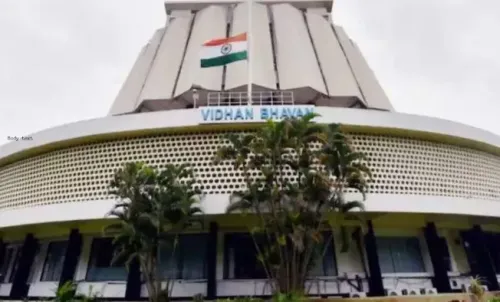
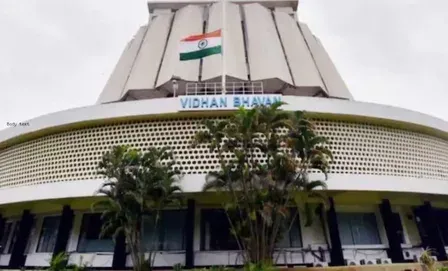
Maharashtra's monsoon session runs from 23 June to 10 July 2025 at the Vidhan Bhavan, Mumbai .
Alleged 'Operation Tiger' — a plan to poach up to six Lok Sabha MPs from Shiv Sena (UBT) — is the session's most explosive political undercurrent.
Sanjay Raut has threatened 'Operation Wolf' — aggressive floor disruptions — as a counter-move by Shiv Sena (UBT).
The session opens with no officially recognised Leader of Opposition in either House.
The opposition is set to challenge the government on the ₹36,585 crore farm loan waiver , with more than 40 lakh farmers reportedly having received benefits so far.
Key battlegrounds also include Maratha OBC reservations , SC sub-categorisation , the NEET controversy , and law and order.
The Maharashtra legislature's monsoon session commenced on Monday, 23 June 2025 at the Vidhan Bhavan, Mumbai, opening a three-week legislative calendar that runs until 10 July 2025 — and doing so under the twin shadows of an alleged political defection plot and a deepening agrarian crisis driven by an erratic monsoon.
Operation Tiger: The defection threat hanging over the session
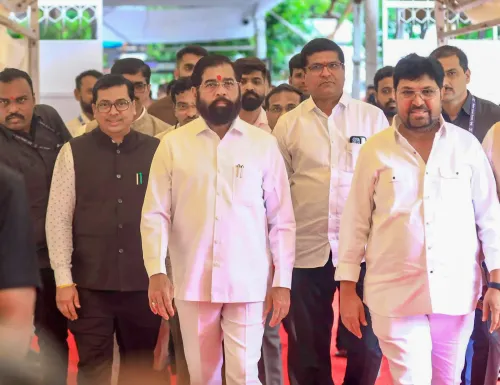
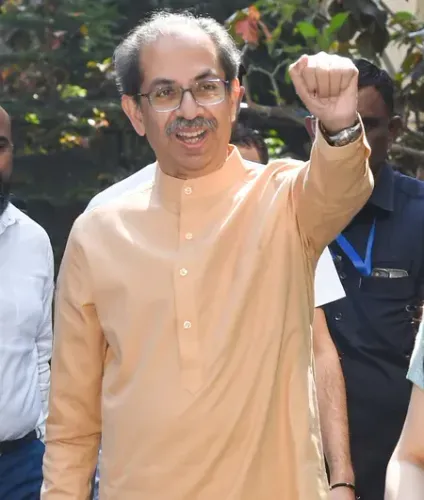
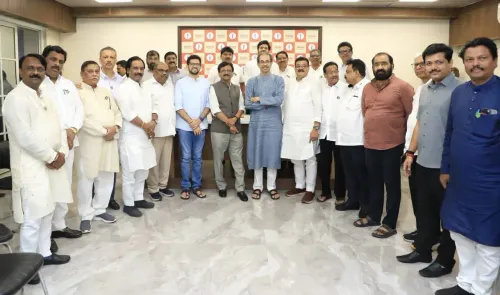
The session's most charged undercurrent is what political circles are calling 'Operation Tiger' — an alleged plan by the ruling Mahayuti alliance to engineer the defection of up to six Lok Sabha MPs from Uddhav Thackeray's Shiv Sena (UBT). The political temperature peaked ahead of the session when Shiv Sena (UBT) leader Aaditya Thackeray, speaking at the party's 60th foundation day, publicly branded the reportedly targeted lawmakers as 'shameless and ungrateful.'
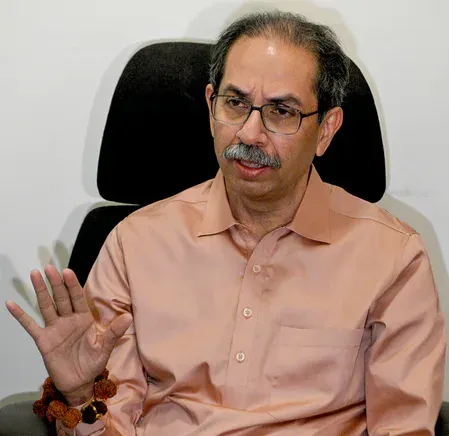
In a counter-signal, Shiv Sena (UBT) strategist Sanjay Raut has threatened to launch 'Operation Wolf' — aggressive, disruptive floor action aimed at destabilising the ruling coalition. The session is also set to begin without an officially recognised Leader of Opposition in either the Assembly or the Council, a structural vacuum that the treasury benches are expected to exploit to push legislative business through with minimal organised resistance.
Deputy Chairperson election and legislative agenda
The ruling alliance is expected to call an election to the post of Deputy Chairperson of the Maharashtra Legislative Council during the first week. Shiv Sena leader Neelam Gorhe, who previously held the post, has been re-elected to the Upper House and is widely expected to be renominated — a move the Mahayuti's numerical strength makes near-certain.
On the legislative front, the government proposes to table a bill to empower women farmers, announce a package of policy measures for the broader farming community, and push revenue department reforms aimed at simplifying procedures for the general public. Supplementary budget demands are also up for clearance in the first week, which is likely to trigger the loudest floor confrontations.
Farm crisis: The real-world crisis outside Vidhan Bhavan
Beyond the political theatre, Maharashtra's agrarian sector is under acute stress. A prolonged and highly erratic monsoon has disrupted the kharif sowing cycle, with the government already advising farmers not to rush sowing pending further directives from the weather bureau. Water levels across more than 3,000 reservoirs in the state have been depleting rapidly, and officials have launched a series of mitigation measures.
The opposition, however, argues the government was unprepared for the El Niño-driven drought-like conditions. It is armed to corner the treasury benches on the stringent eligibility conditions attached to the state's ₹36,585 crore farm loan waiver scheme, demanding unconditional waivers and immediate compensation for dry-spell and crop-loss-affected farmers.
Chief Minister Devendra Fadnavis and Agriculture Minister Datta Bharane have maintained that major restrictions on the loan waiver scheme have been removed and that the government is doing everything possible to extend benefits. Bharane stated that more than 40 lakh farmers have already received relief under the scheme.
Opposition's wider battle plan
The opposition is not limiting its fire to agriculture. It is geared to raise a broad front of issues: inflation linked to the West Asia conflict, the NEET examination controversy, crimes against women, law and order, the contentious dispute over Maratha OBC reservations, the SIR (Socio-Economic and Institutional Research) exercise, and the politically sensitive question of sub-categorisation of Scheduled Caste (SC) reservations.
The ruling Mahayuti, for its part, is prepared to counter with a record of achievements on Maratha and OBC community issues, police modernisation, anti-drug operations, and women's safety. This is, as political observers note, less a routine legislative session and more a contest for psychological dominance — with Chief Minister Devendra Fadnavis and Deputy Chief Ministers Eknath Shinde and Sunetra Pawar aiming to project stability and governance momentum ahead of a politically consequential period for the state.
What to watch
Expect walkouts, adjournment motions, and floor confrontations from the opening day. The session's outcome — on farm relief, the defection saga, and reservation disputes — will shape Maharashtra's political narrative well beyond 10 July.
Point of View
' whether it materialises or not, has already served its purpose: it has put Shiv Sena (UBT) on the defensive before a single bill is tabled. The more consequential story, however, is the ₹36,585 crore farm loan waiver — a scheme whose conditionality clauses have kept large sections of the intended beneficiaries out. With El Niño stress compounding rural distress, the government's claim that 40 lakh farmers have benefited will face pointed scrutiny. The absence of a formal Leader of Opposition is a structural problem that weakens legislative accountability, regardless of which side benefits in the short term.
NationPress
19 Sept 2026
Frequently Asked Questions
When does the Maharashtra monsoon session 2025 begin and end?
The Maharashtra legislature's monsoon session began on Monday, 23 June 2025 and is scheduled to run until 10 July 2025 — a three-week sitting at the Vidhan Bhavan in Mumbai.
What is 'Operation Tiger' in Maharashtra politics?
'Operation Tiger' is the informal name for an alleged plan by the ruling Mahayuti alliance to engineer the defection of up to six Lok Sabha MPs from Uddhav Thackeray's Shiv Sena (UBT). The plan has not been officially confirmed, but it has significantly raised political tensions ahead of and during the session.
What is the Maharashtra farm loan waiver controversy about?
The Maharashtra government's ₹36,585 crore farm loan waiver scheme has been criticised by the opposition for its stringent eligibility conditions, which critics argue have excluded many distressed farmers. Agriculture Minister Datta Bharane has stated that over 40 lakh farmers have already benefited, and that major restrictions have been removed.
Who are the key political figures to watch in this session?
Chief Minister Devendra Fadnavis leads the ruling Mahayuti, alongside Deputy Chief Ministers Eknath Shinde and Sunetra Pawar. On the opposition side, Aaditya Thackeray and Sanjay Raut of Shiv Sena (UBT) are expected to be the most vocal challengers on the floor.
What other issues will the opposition raise during the Maharashtra monsoon session?
Beyond farm relief, the opposition plans to raise the NEET examination controversy, inflation linked to the West Asia conflict, crimes against women, law and order, Maratha OBC reservations, the SIR exercise, and the sub-categorisation of Scheduled Caste reservations.