Maharashtra proposes Vertical Property Cards for every flat
Synopsis
Maharashtra wants to give every apartment its own government ownership record. Under draft rules unveiled by Revenue Minister Chandrashekhar Bawankule, each flat would get a unique ID and a digitally signed card listing its owner, area, loans and dues. The move could change how millions of flat buyers verify property, take home loans and resell.
Key Takeaways
Revenue Minister Chandrashekhar Bawankule on 26 November 2026 proposed Vertical Property Cards , a flat-wise Record of Rights, across Maharashtra.
Every apartment will get a unique identification number , with a separate record covering ownership, sanctioned area, rights and encumbrances.
The draft rules are framed under the Maharashtra Land Revenue Code, 1966 and are open for public objections and suggestions for 30 days .
Loans, mortgages, property tax arrears, society dues and court restrictions will be recorded for each flat.
An integrated online platform will link Land Records with Registration and Stamps , the Cooperative Department , planning authorities and MahaRERA .
A pilot rollout will precede a phased statewide expansion.
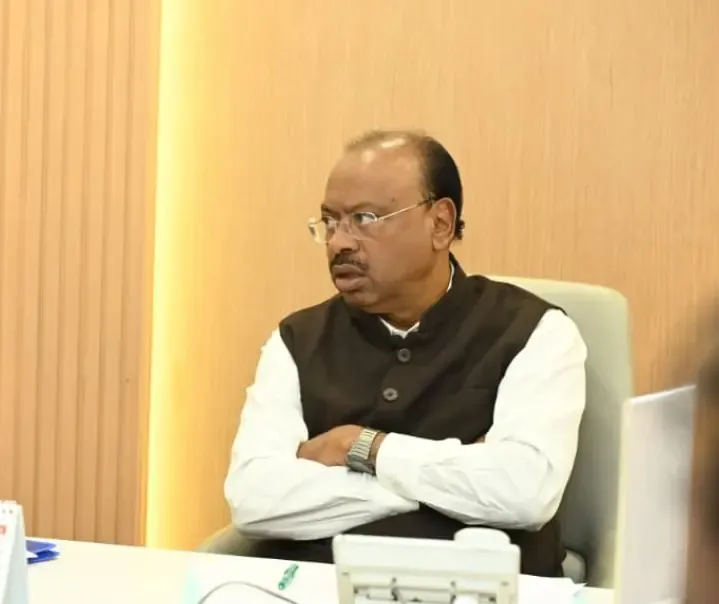
The Maharashtra government on Thursday, 26 November 2026, proposed Vertical Property Cards, a flat-wise Record of Rights that would give every apartment in the state its own ownership record and a unique identification number. Revenue Minister Chandrashekhar Bawankule announced the move in Mumbai. He said it aims to streamline property ownership and bring transparency to real estate transactions.
The proposal is contained in the draft Preparation and Maintenance of Record of Rights and Registers of Apartments in Buildings Rules, 2026, framed under the Maharashtra Land Revenue Code, 1966. The state will invite public objections and suggestions for 30 days before finalising the rules.
Why Maharashtra Needs Flat-Wise Records
Maharashtra already records land ownership through the 7/12 extract in rural areas and through Property Cards within city survey limits. However, there is no clear, uniform statewide system that independently records the rights of individual apartment owners.
This gap matters in a state where a large share of urban residents live in apartments. Flat buyers have typically relied on registered sale deeds and housing society documents rather than a dedicated government land record for their unit. The proposed cards are designed to close that gap.
How the Vertical Property Card System Will Work
According to Minister Bawankule, authorities will first create a primary record for the building and its common areas, such as open spaces and internal roads. Independent supplementary records will then be prepared for each eligible flat, and every apartment will receive a unique identification number.
The forms will differ by jurisdiction:
- City Survey areas: Form D-1 for the building and Form D-2 for individual flats.
- Rural and other areas: Form I-A (Village Form 7-C) for the building and Form I-B (Village Form 7-D) for individual flats.
Each flat-wise record will capture the apartment number, the owner's name, the sanctioned area, associated rights and any existing encumbrances. The minister said every entry will be verified against approved building plans, relevant certificates and registered documents. Entries must also stay within the limits of the final sanctioned layout.
Who Can Apply and What Gets Recorded
For new projects, records will be initiated on the basis of the Commencement Certificate issued by the competent planning authority. Existing buildings will need an Occupancy Certificate and registered ownership documents.
The following can apply for the cards:
- Landowners
- Promoters and developers
- Flat owners
- Authorised representatives of housing societies
Applicants must submit title deeds, conveyance or deemed conveyance documents, and approved plans.
Liabilities will be recorded at the level of each flat, based on verified information or orders from competent authorities. These include bank loans, mortgages, property tax arrears, society dues, court restrictions and government liabilities. If a building is demolished, redeveloped or reconstructed, older entries will be closed or updated as per regulations. Fresh records will then be generated from the newly sanctioned plans.
Digital Platform and Inter-Departmental Integration
Bawankule said the state intends to build a single online system covering the whole process. “The government plans to develop an integrated online system covering the entire lifecycle—from application submission and automated scrutiny to site verification, approval, and the issuance of digitally signed cards,” he said.
He added that the platform will use API-based integration for real-time data exchange. It will connect the Land Records system with:
- The Department of Registration and Stamps
- The Cooperative Department
- Local self-government bodies
- Planning authorities
- MahaRERA
The government has also proposed two bodies to coordinate the work. An inter-departmental committee will handle administrative coordination and suggest amendments to cooperative, apartment ownership, municipal and town planning laws. A dedicated State Project Management Unit (SPMU) will be set up at the Settlement Commissioner's office.
What Happens Next
After the 30-day consultation window, the government will review the feedback and finalise the rules. The system will then undergo a pilot rollout before expanding across Maharashtra in phases.
Once implemented, the minister said, the Vertical Property Card is expected to:
- Simplify property verification
- Ease home loan and resale processes
- Curb real estate fraud and disputes
- Keep government land records continuously updated
The real test will come during the pilot phase, when the state has to show that the integrated platform can deliver on these promises.
Point of View
And the 7/12 extract was never designed for high-rises. The ambition is sound, but its success depends on data integration across Registration, Cooperative, municipal bodies and MahaRERA, departments that have historically operated in silos. Ageing buildings with patchy Occupancy Certificates and pending deemed conveyances could be left out of the first wave, the very cases where disputes are most common. If the pilot cannot handle those messy legacy buildings, the cards risk becoming a tool that works mainly for new projects.
NationPress
26 Nov 2026
Frequently Asked Questions
What is a Vertical Property Card in Maharashtra?
A Vertical Property Card is a proposed flat-wise Record of Rights that gives each apartment a unique identification number and its own ownership record. It will record the apartment number, owner's name, sanctioned area, associated rights and encumbrances.
Why has Maharashtra proposed Vertical Property Cards?
Maharashtra currently records land through 7/12 extracts and Property Cards but has no uniform statewide system for individual apartment owners. The cards aim to simplify property verification, ease home loans and resale, and curb real estate fraud and disputes.
Who can apply for a Vertical Property Card?
Landowners, promoters, developers, flat owners and authorised representatives of housing societies can apply. They must submit title deeds, conveyance or deemed conveyance documents, and approved plans.
Which documents are needed for new and existing buildings?
New projects will be recorded on the basis of the Commencement Certificate from the competent planning authority. Existing buildings will need an Occupancy Certificate and registered ownership documents.
When will Vertical Property Cards be rolled out?
No date has been set yet. The draft rules are first open for public objections and suggestions for 30 days, after which the government will finalise them, run a pilot, and then expand the system across Maharashtra in phases.