Maharashtra Launches Rs 2,000 Crore River Rejuvenation Initiative
Synopsis
Maharashtra unveils an ambitious plan to tackle river pollution with a proposed Rs 2,000 crore corpus over five years. The Maharashtra State River Rejuvenation Authority (MSRRA) aims for immediate action and long-term sustainability in river health.
Key Takeaways
The Maharashtra State River Rejuvenation Authority is allocated Rs 2,000 crore over five years.
The initiative aims for both immediate and long-term river health improvements.
The Chief Minister will chair the Authority, with a focus on coordination among multiple departments.
Priority rivers include some of the most polluted stretches in the state.
Funding will come from various sources, including state and international contributions.
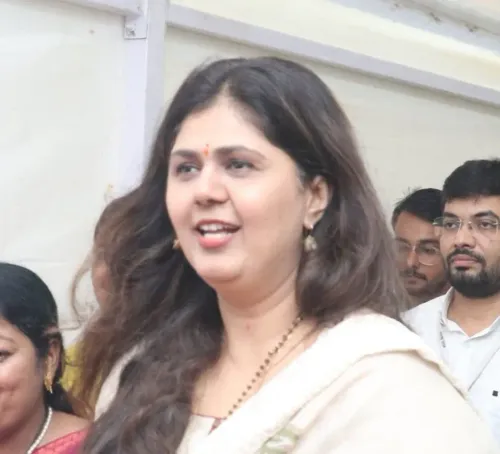
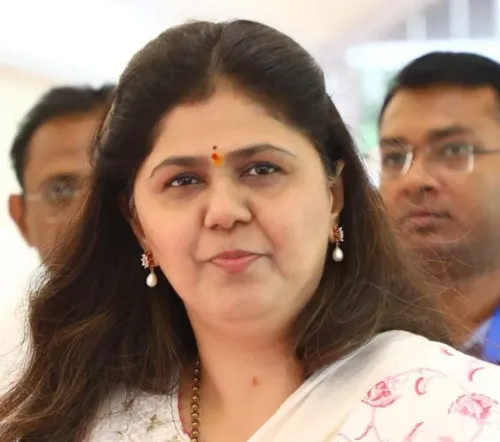
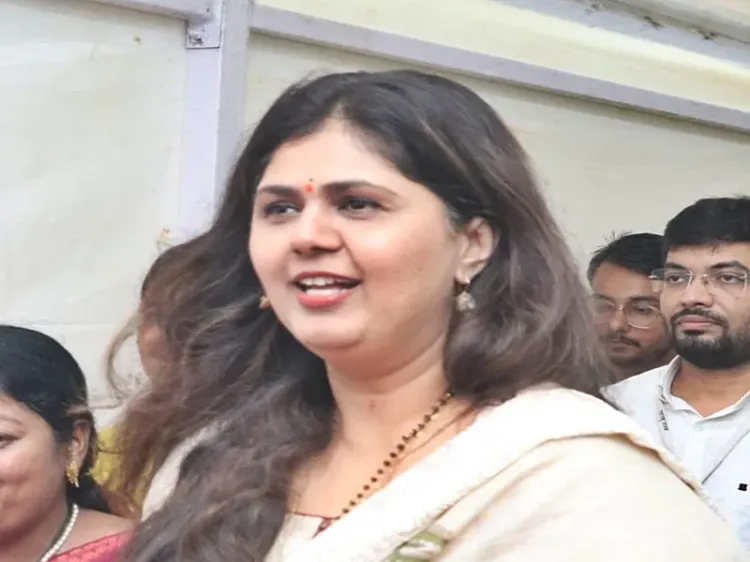
Mumbai, April 1 (NationPress) The Maharashtra Environment and Climate Change Minister, Pankaja Munde, announced on Wednesday a significant initiative to combat river pollution by proposing an annual budget of Rs 400 crore for the Maharashtra State River Rejuvenation Authority (MSRRA). This initiative is part of a broader Rs 2,000 crore fund aimed at revitalizing rivers over the next five years.
According to Munde, the Authority will oversee all initiatives related to river pollution, receiving financial support from state resources, the Maharashtra Pollution Control Board (MPCB), and various other sources. “Our vision extends over a decade, but we will establish clear targets for the initial three years to showcase tangible progress,” she stated.
The proposed funding for the fiscal year 2026-27 will be acquired through supplementary requests during the upcoming monsoon session of the state assembly. Besides the main corpus, the Authority will also benefit from MPCB funds, contributions from corporate social responsibility (CSR), and international funding bodies, as per an official from the state’s environment sector.
The MSRRA is intended to function as a top-tier organization that amalgamates regulatory and developmental responsibilities to mitigate river pollution and manage watershed revitalization. It will evaluate Detailed Project Reports (DPRs) and river basin management strategies while ensuring collaboration among various departments involved in water management, urban and rural development, and industry.
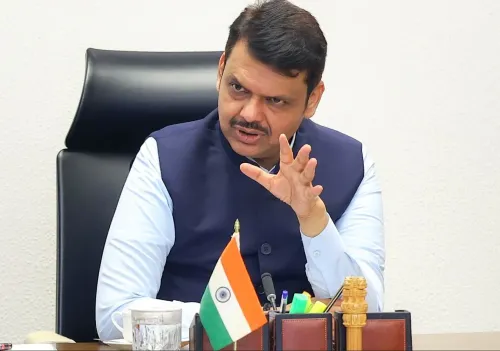
With the Chief Minister as the chairperson and the Environment Minister as the vice-chairperson, this Authority will also include essential ministers from finance, water resources, urban and rural development, and industries.
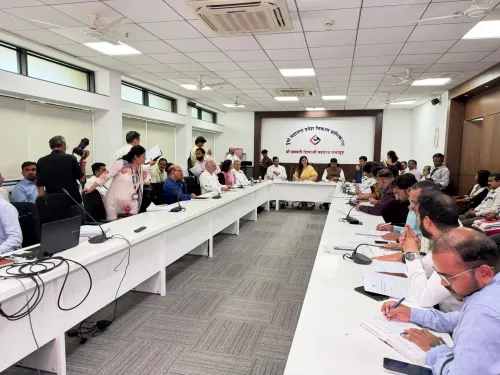
A State Executive Committee led by the Environment Minister will supervise project execution, monitor progress, and provide directives to implementing bodies. Officials indicated that the Authority will tackle challenges such as land acquisition, encroachments, power supply issues, and contractual difficulties through high-level coordination, conducting regular reviews to ensure adherence to timelines and desired outcomes.
Munde highlighted that the Authority will leverage technical knowledge from institutions such as the National Environmental Engineering Research Institute (NEERI) and the Indian Institutes of Technology (IITs). Additionally, organizations like MITRA will play a role in attracting international funding.
The MSRRA will be entitled to 10 percent of the revenue from sand extraction in riverbeds, a decision approved by the state Cabinet on Wednesday.
Officials emphasized the severity of the issue, noting that Maharashtra is home to 55 of the nation’s most polluted river segments—the highest among all states—based on biological oxygen demand (BOD) metrics. Priority will be given to rivers such as Godavari, Bhima (Chandrabhaga), Indrayani, Mula, Mutha, and Nag.
“We may prioritize the Godavari as the Kumbh festival approaches,” Munde remarked, adding that the Authority intends to model its efforts after the Centre’s Namami Gange initiative, which emphasizes rejuvenation from a river’s source to its mouth.
The Authority will first finalize DPRs for projects aimed at pollution reduction, while also integrating ongoing river-cleaning efforts to ensure a cohesive approach and avoid redundancy.
Officials noted that fragmented implementation and limited financial and technical capabilities at the local level have obstructed previous initiatives, particularly in rural regions, highlighting the necessity for a unified command structure like the MSRRA.
Furthermore, the Authority will enhance coordination with the MPCB for regulatory enforcement and support capacity building, public outreach, and expert-led planning across sectors related to environmental engineering, biodiversity, and public health.
Munde asserted that Maharashtra is pioneering the establishment of such an integrated river rejuvenation authority, dedicated to addressing pollution via a coordinated, multi-departmental strategy.
On the same day, the state Cabinet sanctioned the formation of the Maharashtra State River Rejuvenation Authority to conduct both regulatory and developmental activities aimed at reducing river pollution and promoting river conservation and revitalization.
The Chief Minister will lead the Authority, which will be structured similarly to the National River Conservation Plan, with the Environment and Climate Change Minister serving as Vice-Chairperson.
Functioning as the primary agency for river rejuvenation, the Authority will serve as the ultimate decision-making entity. The Cabinet also sanctioned raising Rs 2,000 crore for the Authority through the Pollution Control Board and allocated Rs 100 crore as the state government’s contribution.
In addition, it was approved that 10 percent of the revenue from minor mineral extraction will be allocated to the Authority annually, alongside funding from corporate social responsibility contributions and blended financing from financial institutions.
Point of View
The initiative aims to foster a cohesive strategy for river conservation and revitalization.
NationPress
5 Oct 2026
Frequently Asked Questions
What is the purpose of the Maharashtra State River Rejuvenation Authority?
The Authority aims to monitor and implement initiatives for river pollution reduction and rejuvenation in Maharashtra.
How much funding is allocated for this initiative?
The state has proposed a total corpus of Rs 2,000 crore over five years, with an annual allocation of Rs 400 crore.
Who will lead the Maharashtra State River Rejuvenation Authority?
The Chief Minister of Maharashtra will serve as the chairperson, with the Environment Minister as the vice-chairperson.
What role will the Maharashtra Pollution Control Board play?
The MPCB will provide financial support and assist in regulatory enforcement related to river pollution.
What are the priority rivers for rejuvenation?
Rivers such as Godavari, Bhima, Indrayani, Mula, Mutha, and Nag will be prioritized for rejuvenation efforts.