CM Majhi: 26,615 teachers hired, 322 model schools launched in 2 years

Synopsis
Odisha CM Mohan Charan Majhi marked two years of BJP rule by announcing 26,615 permanent teacher appointments, foundation-laying for 322 model schools under the Godabarish Mishra scheme, and a pledge to modernise over 2,200 schools by 2029.
Key Takeaways
26,615 permanent teachers and staff appointed in Odisha within two years of the BJP government taking office in June 2024.
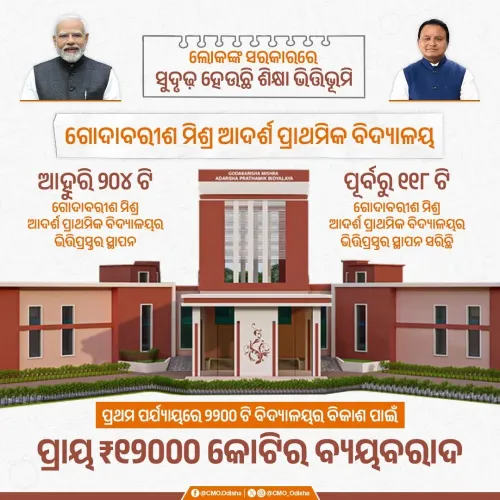
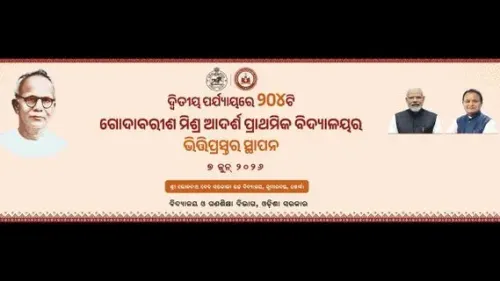
Foundation stones laid for 322 schools under the Godabarish Mishra Adarsh Prathamik Vidyalaya Yojana , a state model-primary-school scheme.
The government has set a target to upgrade more than 2,200 schools to modern standards by 2029 .
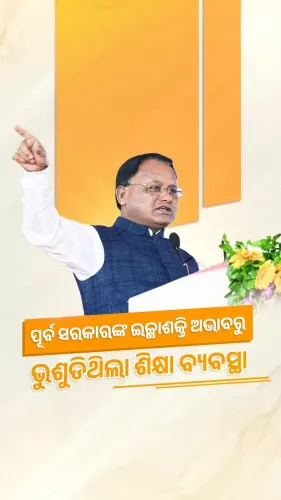
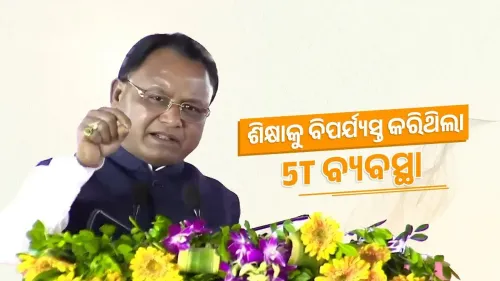
CM Majhi criticised the previous Naveen Patnaik-led BJD administration for an 'advertisement-driven model' that left schools without permanent staff or basic facilities.
The announcements were made under the hashtag #2YearsofLokankaSarakar , marking the second anniversary of the BJP government in Odisha .
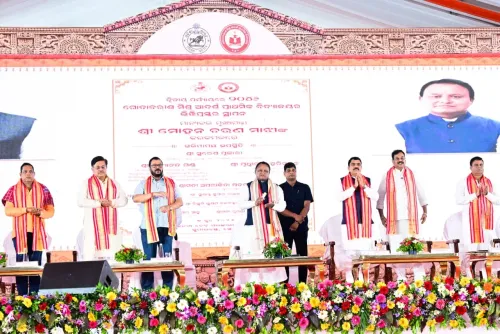
Odisha Chief Minister Mohan Charan Majhi on Wednesday, June 10, 2026, marked two years of the BJP-led state government by asserting that the administration has appointed 26,615 permanent teachers and staff and laid the foundation for 322 schools under the Godabarish Mishra Adarsh Prathamik Vidyalaya Yojana, while targeting the upgrade of more than 2,200 schools to modern standards by 2029.
Context
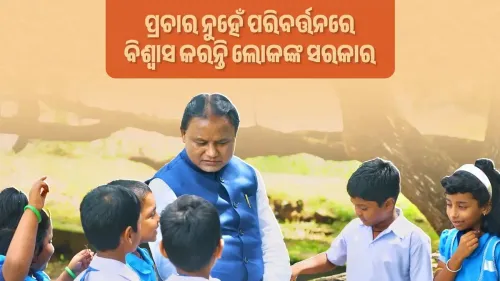
Posting in Odia under the hashtags #2YearsofLokankaSarakar ('Two Years of the People's Government') and #BikasharaDharaOdishaSara ('Development flows across Odisha'), CM Majhi drew a sharp contrast with the previous administration. He wrote that the state's education system had been left in disarray by what he called an 'advertisement-driven model and false propaganda' — an implicit reference to the Naveen Patnaik-led Biju Janata Dal government that held power from 2000 to 2024 — leaving schools without permanent teachers or basic facilities.
The post marks the two-year anniversary of the BJP's assumption of power in Odisha following the 2024 state assembly elections, in which the party ended a 24-year BJD incumbency.
Policy Backdrop
The Godabarish Mishra Adarsh Prathamik Vidyalaya Yojana is named after Godabarish Mishra, a celebrated Odia writer, educationist, and freedom fighter. The scheme aims to establish model primary schools across the state, addressing long-standing infrastructure gaps at the elementary level.
The issue of contractual and para-teachers has been a persistent challenge in Odisha and several other Indian states, where large-scale recruitment under earlier universal-education drives left many positions filled on temporary terms. The BJP government's stated push to convert and fill positions on a permanent basis aligns with a broader pattern seen in states where long-incumbent governments were replaced and education delivery came under scrutiny.
Central schemes such as Sarva Shiksha Abhiyan, launched in 2001, had been implemented across Odisha to expand elementary education access, but critics have long argued that sustained staffing and infrastructure investment did not keep pace with enrolment targets.
Stakeholders and Impact
The most direct beneficiaries of the claimed appointments are the 26,615 individuals now holding permanent teaching and staff positions in state schools — a category of workers that had historically faced job insecurity under contractual arrangements. For Odisha's primary school students, particularly in rural and tribal districts, the combination of stable teaching staff and upgraded infrastructure could meaningfully affect learning outcomes.
The foundation-laying of 322 schools under the Godabarish Mishra scheme signals a physical expansion of the model-school network, though the pace of actual construction and operationalisation will be watched closely by educators and parents alike. The 2029 deadline for modernising over 2,200 schools sets a measurable benchmark against which the government's performance can be assessed in subsequent budget cycles.
What's Next
Progress on the 2,200-school modernisation target is now a key deliverable for the Majhi government ahead of the next state assembly elections. Upcoming state budgets will be scrutinised for allocations that match the scale of this ambition, including funds for construction, digital infrastructure, and additional teacher recruitment phases.
Any supplementary recruitment drives and quarterly construction updates under the Godabarish Mishra Adarsh Prathamik Vidyalaya Yojana are expected to serve as political and policy yardsticks as Odisha moves toward its stated goal of a transformed primary education landscape by the end of the decade.
Point of View
Setting the BJP's education narrative ahead of future electoral cycles. The choice to anchor the message in permanent employment — a politically resonant issue in Odisha's teacher community — signals that the government sees staffing stability as a key differentiator from its predecessor. The 2029 modernisation target for over 2,200 schools is ambitious enough to be aspirational but specific enough to invite accountability, suggesting the administration is confident in its infrastructure pipeline. How consistently these numbers are audited and reported will determine whether this becomes a durable policy achievement or a contested campaign claim.
NationPress
21 Sept 2026
Frequently Asked Questions
How many teachers has the Odisha government appointed in the last two years?
According to CM Mohan Charan Majhi's post on June 10, 2026, the Odisha government has appointed 26,615 permanent teachers and staff in the two years since the BJP assumed power in June 2024.
What is the Godabarish Mishra Adarsh Prathamik Vidyalaya Yojana?
The Godabarish Mishra Adarsh Prathamik Vidyalaya Yojana is an Odisha state scheme to establish model primary schools, named after the celebrated Odia writer, educationist, and freedom fighter Godabarish Mishra . The government has laid the foundation for 322 schools under this scheme.
What is Odisha's school modernisation target for 2029?
CM Majhi has stated that the government is committed to upgrading more than 2,200 schools to modern, state-of-the-art standards by 2029 .
Why did CM Majhi criticise the previous Odisha government on education?
CM Majhi alleged that the previous administration — led by Naveen Patnaik of the Biju Janata Dal — relied on an 'advertisement-driven model and false propaganda,' leaving schools without permanent teachers or basic facilities, rather than delivering substantive education reforms.
When did the BJP come to power in Odisha?
The BJP came to power in Odisha following the 2024 state assembly elections , ending a 24-year incumbency of the Biju Janata Dal under Naveen Patnaik . Mohan Charan Majhi was sworn in as Chief Minister in June 2024 .