Maharashtra CMO: World-class 'Media Hub' to come up in Malad
Synopsis
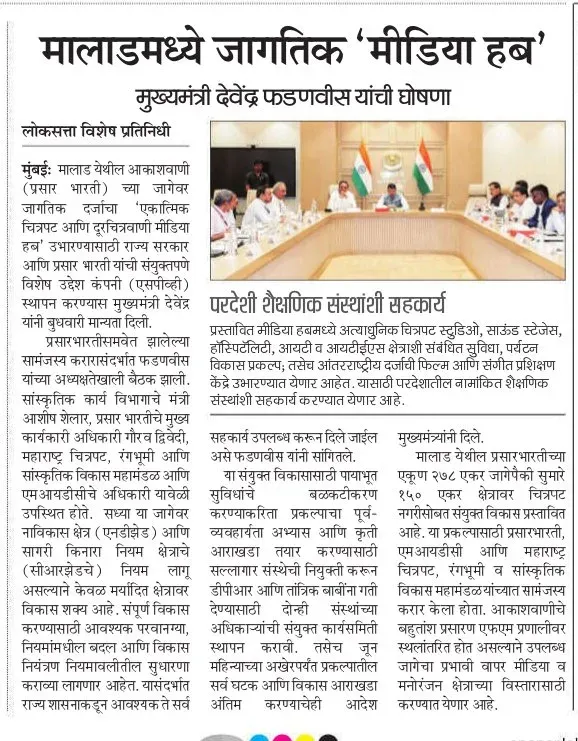
The Chief Minister's Office of Maharashtra has announced that a world-class 'Media Hub' will come up in Malad, Mumbai. The post, tagging CM Devendra Fadnavis and Prasar Bharati, signals a fresh state push to deepen Mumbai's media and entertainment ecosystem alongside the existing Goregaon Film City.
Key Takeaways
The Maharashtra CMO announced a world-class 'Media Hub' in Malad , Mumbai, on 4 June 2026 .
The post tagged Chief Minister Devendra Fadnavis and public broadcaster Prasar Bharati .
Malad already hosts film studios, post-production houses and broadcast offices near Goregaon's Film City .
The move aligns with a broader trend of states announcing dedicated media clusters to rival Noida and Hyderabad.
Project scope, cost, timeline and Prasar Bharati's exact role have not been disclosed.
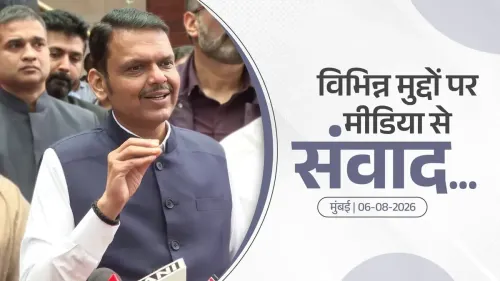
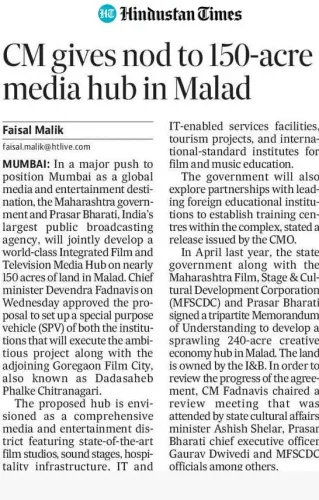
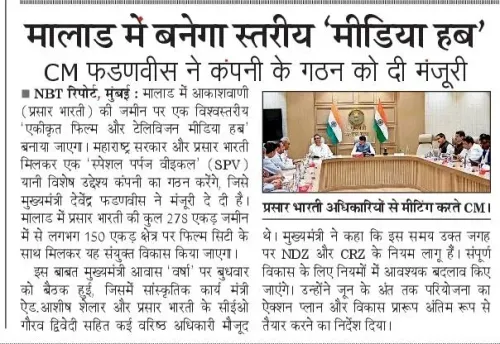
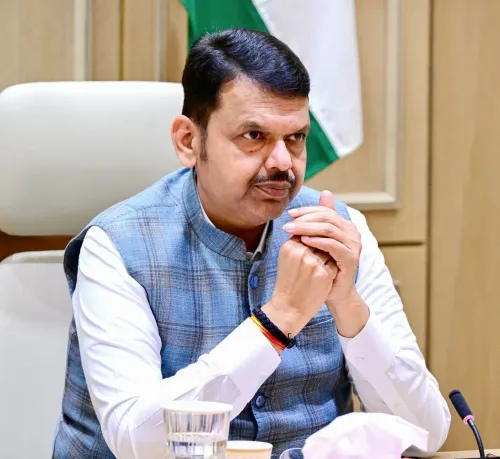
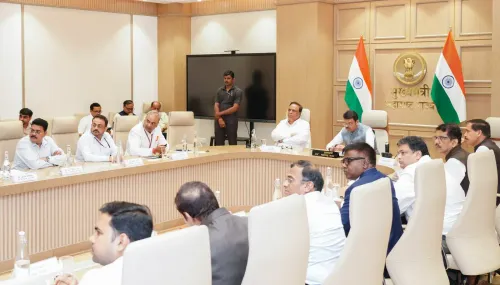
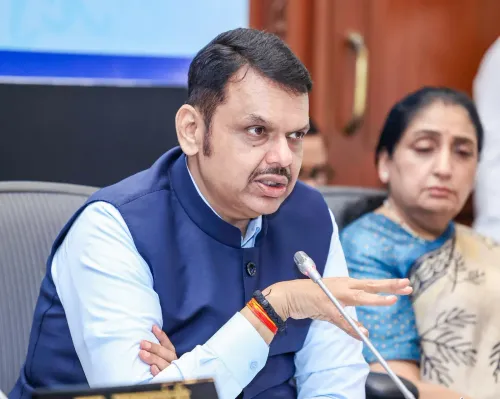
The Chief Minister's Office of Maharashtra on Thursday, 4 June 2026, announced that a world-class 'Media Hub' will be developed in Malad, a western suburb of Mumbai. The post, which tagged Chief Minister Devendra Fadnavis and public broadcaster Prasar Bharati, signalled a fresh state-backed push to consolidate Mumbai's standing as India's media and entertainment capital.
The post, written in Marathi, declared: 'Maladmadhye banaNaar jagatik darjache Media Hub' ('A world-class Media Hub will come up in Malad'). It carried the hashtags #Maharashtra, #DevendraFadnavis and #PrasarBharati, alongside an accompanying image released by the CMO.
Context
Malad, in Mumbai's western suburbs, already hosts a dense cluster of film studios, post-production houses, advertising agencies and broadcast offices. The locality sits along the Western Express Highway corridor and is within a short drive of Goregaon's Film City, the long-standing nerve centre of the Hindi film and television industry.
By siting a dedicated media hub in Malad, the state appears to be building on this existing ecosystem rather than creating a greenfield cluster from scratch. The tagging of Prasar Bharati, India's public service broadcaster, suggests a possible role for the central broadcaster in the project, though specifics were not disclosed in the announcement.
Policy backdrop
Maharashtra has historically anchored India's screen economy through the Dadasaheb Phalke Chitranagari (Film City) in Goregaon, which was expanded in the 2000s to house additional studios and outdoor sets. The state has, over successive governments, framed the entertainment industry as a strategic sector for employment and exports of cultural content.
The new announcement fits a broader national pattern: state governments from Uttar Pradesh to Telangana have unveiled dedicated media or film cities in recent years to attract private investment and challenge established hubs such as Noida and Hyderabad. A Malad project would place Maharashtra's response squarely within Mumbai's existing production geography.
Stakeholders and impact
Primary stakeholders include broadcasters, OTT platforms, film and television production houses, post-production studios, advertising firms and the large freelance workforce of technicians, editors and content creators that already populates Malad and the adjoining suburbs of Goregaon, Andheri and Jogeshwari.
Local infrastructure developers and real-estate operators are likely to track the project closely, given that a 'world-class' hub typically implies dedicated studio floors, fibre and satellite uplink capacity, parking, hospitality and transport links. Residents and civic groups in Malad will be watching for traffic, land-use and environmental implications.
For Prasar Bharati, which operates Doordarshan and All India Radio, association with a Mumbai-based media cluster could expand its production footprint outside its traditional Delhi-centric infrastructure. The broadcaster has, in earlier years, partnered with state governments on content and transmission projects.
What's next
The CMO's post is an in-principle announcement. Detailed contours — land parcel, total area, funding model, public-private partnership structure, employment projections and the precise role of Prasar Bharati — have not yet been placed in the public domain.
Key milestones to watch will include any formal cabinet note, a memorandum of understanding between the state government and Prasar Bharati, identification of the implementing agency, and clearances from Mumbai's municipal and planning authorities. The pace at which these steps unfold will determine whether the Malad 'Media Hub' becomes a defining infrastructure legacy of the Fadnavis government or remains an aspirational headline.
Point of View
The Fadnavis government is layering a central-government partnership over a city ecosystem that has historically been driven by private capital. The real test will lie in execution — land, financing and clearances — rather than in the headline itself.
NationPress
18 Oct 2026
Frequently Asked Questions
Where will Maharashtra's new media hub be built?
The new world-class media hub will be built in Malad , a western suburb of Mumbai, according to the Maharashtra CMO's announcement on 4 June 2026.
Who announced the Malad media hub project?
The announcement was made by the Chief Minister's Office of Maharashtra in a post that tagged Chief Minister Devendra Fadnavis and Prasar Bharati .
What is Prasar Bharati's role in the Malad media hub?
Prasar Bharati was tagged in the announcement, suggesting a possible partnership, but the exact role of the public broadcaster in the project has not yet been disclosed.
How is the Malad hub different from Goregaon Film City?
Goregaon's Dadasaheb Phalke Chitranagari is an established film production complex, while the Malad project is a newly announced 'media hub' that appears to build on the existing studio and broadcast cluster in the western suburbs.
When will work on the Malad media hub begin?
The CMO's post is an in-principle announcement and does not specify a start date, funding model or completion timeline for the project.