CM Fadnavis approves SPV for Mumbai Film City media hub
Synopsis
Maharashtra Chief Minister Devendra Fadnavis chaired a meeting at Varsha Bungalow and approved a Special Purpose Vehicle with Prasar Bharati to jointly develop 150 acres of the 278-acre Malad campus into an integrated media hub with studios, training institutes and hospitality, pending NDZ and CRZ clearances.
Key Takeaways
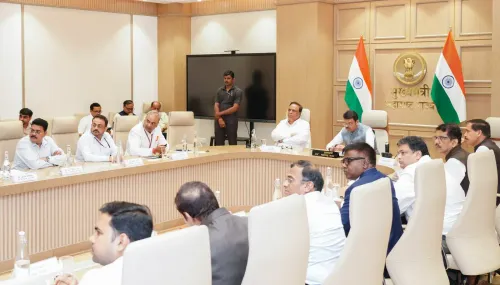
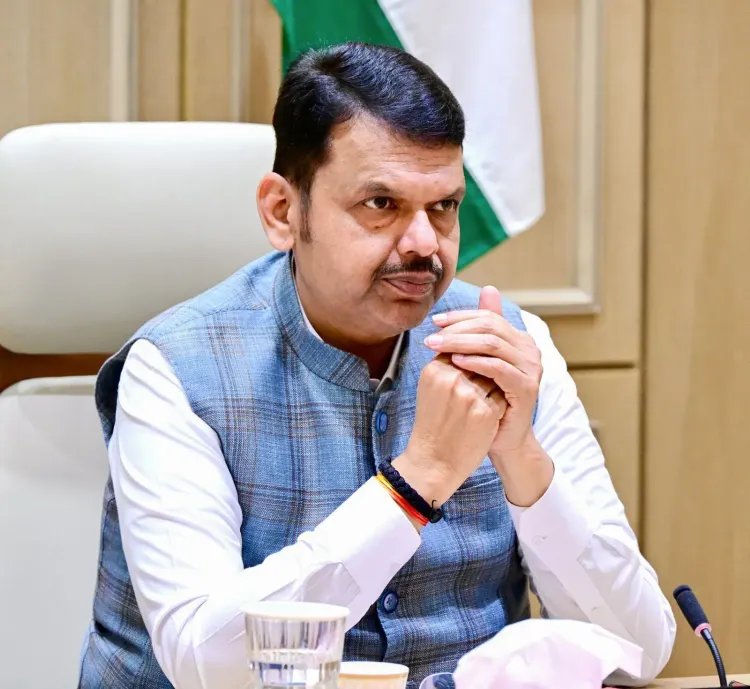
CM Devendra Fadnavis chaired the Film City integrated development meeting at Varsha Bungalow, Mumbai.
An SPV will be formed jointly by the Government of Maharashtra and Prasar Bharati.
150 acres of Prasar Bharati's 278-acre Malad campus are earmarked for joint development.
The hub will include film studios, sound stages, hospitality and international training institutes.
Statutory NDZ and CRZ approvals and regulatory changes will be needed.
Minister Ashish Shelar and senior officials attended the meeting.
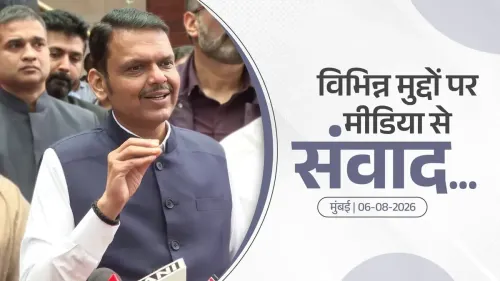
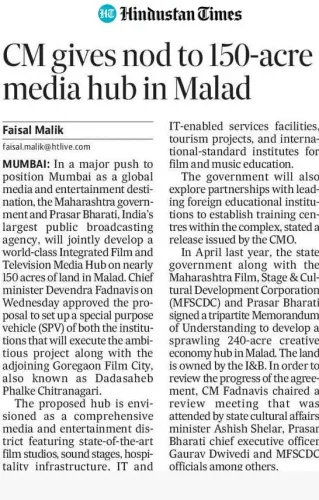
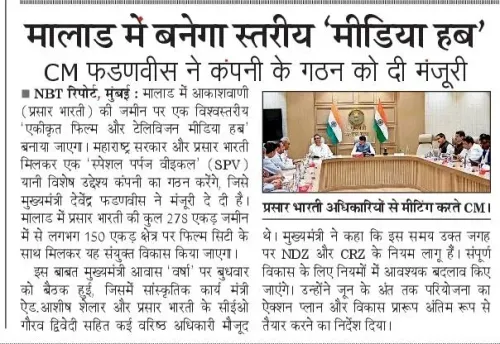
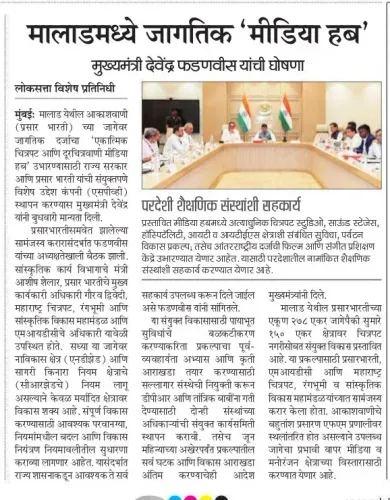
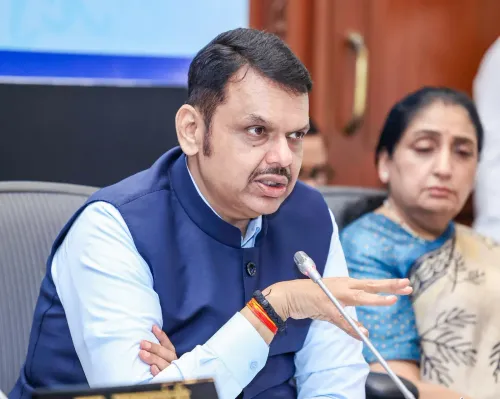
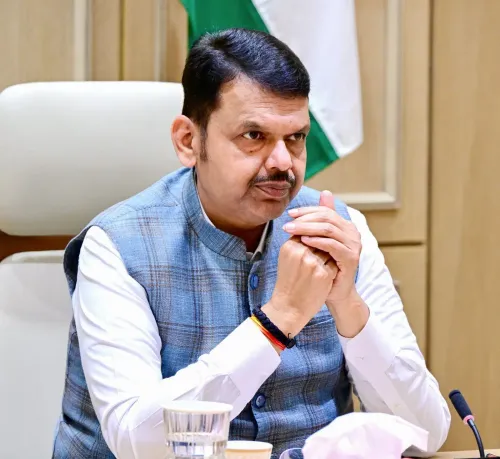
Maharashtra Chief Minister Devendra Fadnavis on Wednesday chaired a meeting at Varsha Bungalow in Mumbai on the integrated development of Film City land and approved the formation of a Special Purpose Vehicle (SPV) to be set up jointly by the Government of Maharashtra and Prasar Bharati. The decision aims to anchor a large media hub on the public broadcaster's Malad campus, with 150 acres of the 278-acre site earmarked for joint development.
Context
In his post, the Chief Minister described the initiative as the 'Integrated Development of Film City to Strengthen Maharashtra's Creative Economy' and said the proposed media hub would 'play a key role in strengthening Maharashtra's media, entertainment and creative economy ecosystem.'
According to the post, the hub will house modern film studios, sound stages, hospitality and tourism facilities, and 'world-class film and music training institutes in collaboration with leading international institutions.' Maharashtra minister Adv. Ashish Shelar and senior officials were present at the meeting.
Policy backdrop
Film City in Mumbai was established by the Maharashtra government in 1975 as a dedicated production complex to support the Indian film industry, and has since remained the backbone of the state's audio-visual economy. The proposed tie-up with Prasar Bharati, India's public service broadcaster, brings a central media institution into a state-led real-estate and skill-development project, illustrating a federal model for upgrading legacy media assets.
The Chief Minister flagged that the site is currently governed by No Development Zone (NDZ) and Coastal Regulation Zone (CRZ) norms, and said 'certain statutory approvals and regulatory changes will be required for its comprehensive development.' He assured 'full support from the Government of Maharashtra to facilitate the process.'
Stakeholders and impact
The plan is positioned to benefit film producers, studio operators, post-production houses, broadcasters and a wider services economy of hospitality, logistics and tourism vendors that cluster around production hubs. Skill-building tie-ups with international film and music institutes, as described in the post, target a new pipeline of trained professionals in cinematography, sound design, animation and music production.
For Prasar Bharati, contributing roughly half of its Malad campus to a joint venture marks a significant monetisation and modernisation of a long-held media estate. For the Maharashtra government, the move is consistent with a broader pattern of states competing to retain and attract production activity, particularly as rival jurisdictions pitch subsidies, single-window clearances and purpose-built studio parks.
What's next
Immediate watch-points include the formal constitution of the SPV between the state and Prasar Bharati, the route taken for relaxations or clearances under the NDZ and CRZ frameworks, and the structuring of partnerships with the international training institutes referenced in the post. The pace at which these regulatory and contractual building blocks fall into place will determine when ground-level construction of studios, sound stages and hospitality assets can begin.
If executed at the scale outlined by the Chief Minister, the Malad media hub could reshape Mumbai's creative-economy footprint and reinforce Maharashtra's claim as India's primary destination for film, television and digital content production.
Point of View
Central broadcaster assets and private creative capital, at a moment when southern states and Uttar Pradesh are aggressively wooing film production. By routing the venture through an SPV with Prasar Bharati, the Maharashtra government secures both land scale and central buy-in, while flagging NDZ and CRZ hurdles upfront tempers expectations on timelines. The real test will be whether regulatory relaxations are calibrated transparently and whether international training tie-ups materialise as anchor tenants rather than headline gloss.
NationPress
20 Sept 2026
Frequently Asked Questions
What did Devendra Fadnavis approve for Film City in Mumbai?
He approved the formation of a Special Purpose Vehicle jointly by the Government of Maharashtra and Prasar Bharati to drive integrated development of Film City land, including a media hub on the Malad campus.
How much land is earmarked for the Film City joint development?
Around 150 acres of Prasar Bharati's 278-acre campus at Malad has been earmarked for joint development with Film City.
What will the proposed Film City media hub include?
It will feature modern film studios, sound stages, hospitality and tourism facilities, and world-class film and music training institutes set up in collaboration with leading international institutions.
Why are NDZ and CRZ rules relevant to the Film City project?
The site is currently governed by No Development Zone and Coastal Regulation Zone norms, so statutory approvals and regulatory changes will be required before comprehensive development can begin.
Who attended the Film City development meeting with CM Fadnavis?
Maharashtra minister Adv. Ashish Shelar and senior officials attended the meeting on integrated Film City development at Varsha Bungalow in Mumbai.